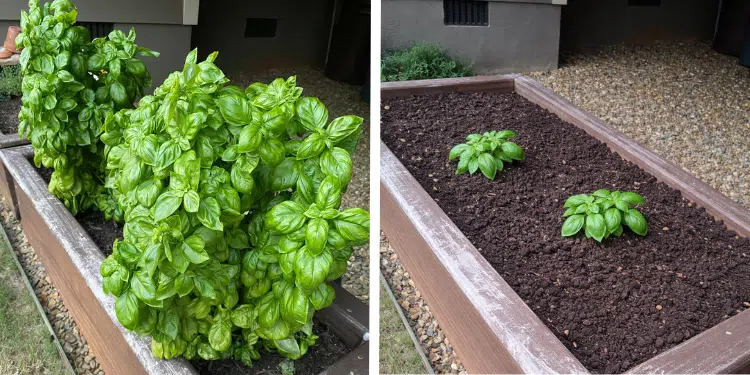
Basil is one of the most rewarding herbs you can grow – fast-growing, aromatic, and incredibly versatile in the kitchen. But if you want lush, bushy plants with nonstop leaf production, spring care is everything.
Spring is when basil transitions from a delicate seedling into a vigorous, productive plant.
What you do during this stage determines whether you get a few weak stems… or a thriving, leafy powerhouse you can harvest for months.
Why Spring Care Matters for Basil
Basil is a warm-season herb, which means it thrives when temperatures rise – but it’s also sensitive to cold and early stress.
In spring, basil:
- Establishes its root system
- Begins rapid leaf production
- Responds strongly to light, soil, and watering conditions
If you get this stage right, your basil will reward you with:
- Faster growth
- Thicker stems
- Continuous leaf production
- Delayed flowering (which keeps leaves tender and flavorful)
1. Start at the Right Time (Temperature Is Everything)
Timing is critical for basil.
Ideal conditions:
- Soil temperature: above 15°C (60°F)
- Air temperature: 18–30°C (65–85°F)
What to do:
- Wait until all risk of frost has passed before planting outdoors
- If you’re in a cooler climate, start seeds indoors 4–6 weeks earlier
Why it matters:
Cold soil slows growth and can permanently stunt basil plants.
Pro tip:
Even one cold night can damage basil – if temperatures drop below 10°C (50°F), protect plants or bring them indoors.
2. Give Basil Maximum Sunlight
Basil thrives in sunlight – this is one of the biggest factors for fast growth.
Requirements:
- 6–8 hours of direct sunlight daily (minimum)
- More sun = stronger stems and more leaves
What happens without enough sun:
- Leggy, weak stems
- Smaller leaves
- Slower growth
Best placement:
- South-facing garden beds
- Sunny balconies or windowsills
Pro tip:
If growing indoors, rotate pots every few days to ensure even growth.
3. Use Rich, Well-Drained Soil
Basil grows quickly – but only if it has the nutrients and drainage it needs.
Ideal soil:
- Loose, well-draining
- Rich in organic matter
- Slightly moist but never soggy
How to improve soil:
- Mix in compost or aged manure before planting
- Add perlite or sand for better drainage
Container mix:
- 70% potting soil
- 20% compost
- 10% perlite
Why it matters:
Healthy soil leads to:
- Faster root development
- More leaf production
- Stronger plants overall
Pro tip:
Avoid heavy clay soil – it retains too much water and can rot roots.
4. Water Consistently (But Never Overwater)
Basil needs steady moisture – but too much water is one of the fastest ways to kill it.
Watering rules:
- Keep soil consistently moist
- Water when the top 2–3 cm of soil feels dry
- Water deeply, not lightly
Signs of underwatering:
- Drooping leaves
- Slow growth
Signs of overwatering:
- Yellow leaves
- Root rot
- Weak stems
Best time to water:
- Early morning
Pro tip:
Mulch around plants to retain moisture and reduce watering frequency.
5. Pinch Early and Often (This Is the Secret to More Leaves)
If you want bushy basil instead of tall, thin plants, this step is essential.
When to start:
- Once the plant has 4–6 sets of leaves
How to pinch:
- Cut just above a leaf node (where two leaves grow)
- This encourages two new stems to grow instead of one
Result:
- Fuller plant
- More branches
- More leaves to harvest
Pro tip:
Never let basil grow as a single stem – it will produce fewer leaves and flower too quickly.
6. Prevent Early Flowering (Keep It Producing Leaves)
Basil naturally wants to flower – but once it does, leaf production slows down.
What to do:
- Remove flower buds as soon as they appear
- Continue regular harvesting
Why it matters:
Flowering signals the plant to stop producing leaves and focus on seeds.
Pro tip:
Frequent harvesting delays flowering and keeps your plant productive longer.
Bonus Tips for Faster Basil Growth
Space Plants Properly
- 20–30 cm between plants
- Prevents overcrowding and improves airflow
Feed Lightly
- Use a balanced liquid fertilizer every 2–3 weeks
- Avoid overfeeding (too much nitrogen reduces flavor)
Protect from Wind
- Strong winds can damage soft basil leaves
Grow in Containers for Control
- Easier to manage soil, water, and sunlight
Common Spring Mistakes to Avoid
Planting too early
Cold weather stunts or kills basil
Overwatering
Leads to root rot
Not pruning early
Results in tall, weak plants
Poor sunlight
Leads to slow growth and small leaves
Letting it flower too soon
Reduces leaf production
USDA Zone Guide for Spring Basil Care
Zones 3–5 (Cool Climates)
- Start indoors 4–6 weeks before last frost
- Transplant outdoors late spring
- Protect from cold nights
Zones 6–8 (Moderate Climates)
- Plant outdoors mid to late spring
- Ideal growing conditions for basil
Zones 9–11 (Warm Climates)
- Start early in spring
- Provide partial shade in hotter areas
- Water more frequently as temperatures rise
Harvesting Basil for Continuous Growth
Harvesting isn’t just for use—it actually improves growth.
How to harvest:
- Cut stems above leaf nodes
- Never remove more than 1/3 of the plant at once
Frequency:
- Every 1–2 weeks
Result:
- Encourages branching
- Keeps plant compact and productive
Basil responds quickly to good care – often within days – so even small improvements can lead to dramatic results.