Finding fleas on your dog or cat can be frustrating. These tiny, fast-moving insects can cause persistent itching, irritated skin, and discomfort for pets. Once fleas enter your home, they can also spread to carpets, bedding, furniture, and other areas where your animals spend time.
You may have seen traditional household tricks claiming to eliminate fleas with almost no effort. While some simple habits can help reduce flea numbers, there is no reliable, effortless home remedy that guarantees permanent flea removal. The most effective approach combines appropriate flea treatment for your pet with cleaning and prevention throughout your home.
Here is what you need to know to tackle a flea problem safely and effectively.
1. How to Recognize Fleas on Your Pet
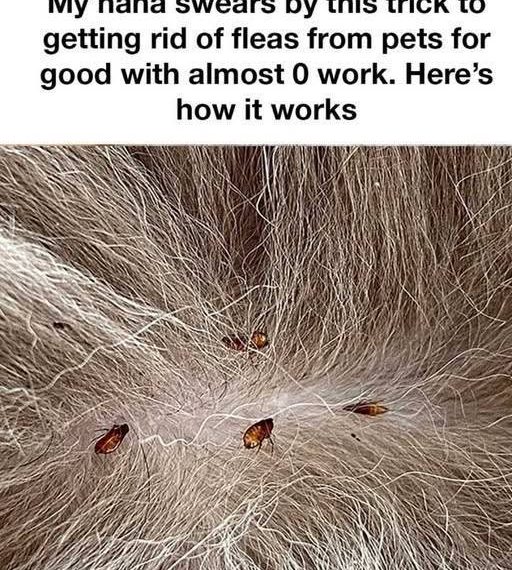
Adult fleas are small, dark reddish-brown insects that move quickly through an animal’s fur. They can be difficult to spot, especially on pets with thick or dark coats.
Common signs of a flea infestation include:
- Frequent scratching, biting, or licking.
- Small red bumps or irritated skin.
- Hair loss, particularly around the tail base and lower back.
- Tiny dark specks in the fur, sometimes called flea dirt.
- Restlessness or difficulty settling comfortably.
To check for fleas, gently part your pet’s fur and examine the skin, especially around the neck, back, and base of the tail.
You can also use a fine-toothed flea comb. If you find dark specks, place them on a damp white paper towel. Flea dirt may leave reddish-brown marks because it contains digested blood. This can help you recognize a possible infestation, although a veterinarian can confirm the cause of your pet’s symptoms.
2. Does the Traditional Flea Trick Really Work?
Some household tips recommend using bowls of water, homemade mixtures, or strongly scented substances to remove fleas.
These methods should not be confused with proven flea treatment.
A bowl of soapy water placed near a light may trap some adult fleas in a room, but it will not eliminate fleas living on your pet or remove eggs and immature stages hidden around the home.
Similarly, applying household products or essential oils directly to an animal can cause irritation or poisoning. Cats are particularly sensitive to certain substances, including some essential oils and concentrated insecticides.
The safest choice is to use a flea treatment specifically approved for your pet’s species, age, and weight.
3. Choose an Effective Flea Treatment for Your Pet
Veterinary flea treatments are available in several forms, including topical products, oral medications, and certain collars.
The appropriate option depends on your pet’s age, health, lifestyle, and the severity of the infestation.
A veterinarian can help you choose a product that kills adult fleas and, where appropriate, prevents immature fleas from developing.
Important: Never use a dog flea treatment on a cat unless the product is explicitly labeled as safe for cats. Some dog products contain permethrin, which can cause severe poisoning in cats.
Follow the label carefully, use the correct dose, and avoid combining flea products unless your veterinarian advises you to do so.
4. Wash Your Pet’s Bedding and Blankets
Fleas do not live exclusively on animals. Eggs can fall into the places where pets sleep, while larvae and pupae may develop in carpets, upholstery, and other protected areas.
Wash your pet’s bedding, blankets, and washable covers using the hottest temperature permitted by the care label. Dry them thoroughly.
Repeat cleaning regularly while treating the infestation.
If your pet sleeps on your bed or sofa, pay particular attention to those areas. Cleaning these resting places helps reduce the number of fleas developing in the home.
5. Vacuum Carpets, Rugs, and Furniture
Vacuuming is a useful part of flea control because it removes some adult fleas, eggs, larvae, and debris from areas where pets spend time.
Focus on:
- Carpets and rugs.
- Areas beneath furniture.
- Upholstered chairs and sofas.
- Edges of rooms and floor coverings.
- Pet resting areas and nearby crevices.
Vacuum frequently during an infestation and empty the vacuum according to the manufacturer’s instructions. Dispose of collected debris securely.
Vacuuming alone is unlikely to eliminate a substantial infestation, but it works well alongside appropriate treatment and cleaning.
6. Why Fleas Sometimes Come Back
One of the most frustrating parts of flea control is discovering new fleas after treating your pet.
This can happen because flea development occurs in several stages: egg, larva, pupa, and adult. Flea pupae are protected within cocoons and can survive environmental conditions that affect other stages.
New adult fleas may therefore emerge after the initial cleaning and treatment.
This does not necessarily mean the treatment has failed. It may take several weeks or longer to bring a substantial infestation under control.
Continue the treatment schedule recommended by your veterinarian, clean the home regularly, and treat all susceptible pets in the household with appropriate products.
7. Prevent Fleas From Returning
Once the immediate problem is under control, prevention becomes essential.
- Use a veterinarian-recommended flea preventive on the appropriate schedule.
- Check your pet’s coat regularly, particularly after outdoor activities.
- Keep pet bedding clean.
- Vacuum frequently in areas where animals rest.
- Treat every household pet as recommended, rather than focusing only on the animal with visible fleas.
- Seek veterinary advice if scratching continues despite treatment.
If fleas persist despite consistent treatment, a veterinarian or qualified pest-control professional can help identify the source and recommend additional measures.
When Should You Contact a Veterinarian?
A few flea bites may cause mild irritation, but heavy infestations can be more serious.
Fleas can trigger allergic skin reactions, cause skin infections through repeated scratching, and contribute to anemia in young or very small animals.
Seek veterinary care if your pet has severe itching, open sores, significant hair loss, pale gums, unusual weakness, or persistent symptoms.
Pale gums, marked weakness, or collapse can indicate a serious problem and require urgent veterinary attention.
Frequently Asked Questions
Can fleas disappear on their own?
Flea populations may fluctuate, but an established infestation often persists without appropriate treatment. Treating the pet and its environment is more reliable than waiting for the fleas to disappear.
Does bathing a pet eliminate all fleas?
Bathing may remove or kill some adult fleas, depending on the product used, but it does not reliably eliminate every flea stage in the home. Use only pet-safe products and follow veterinary advice.
Can fleas live in carpets without a pet?
Yes. Flea eggs, larvae, and pupae can develop in the environment, and adult fleas may emerge later. An empty room or a temporary absence of pets does not guarantee that an infestation has ended.
Are natural flea remedies always safe?
No. Natural substances can still be toxic to animals. Avoid applying essential oils, household chemicals, or unverified mixtures to your pet.
Final Thoughts
Fleas can be persistent, but you do not need to rely on viral tricks or potentially dangerous home remedies to control them.
The most dependable approach is to use an appropriate veterinary flea treatment, wash pet bedding, vacuum frequently, and continue prevention as recommended. Because immature fleas can remain hidden in the environment, consistent treatment is often more effective than a single attempt to remove visible insects.
With the right plan, you can help your pet become more comfortable and reduce the likelihood of fleas returning to your home.