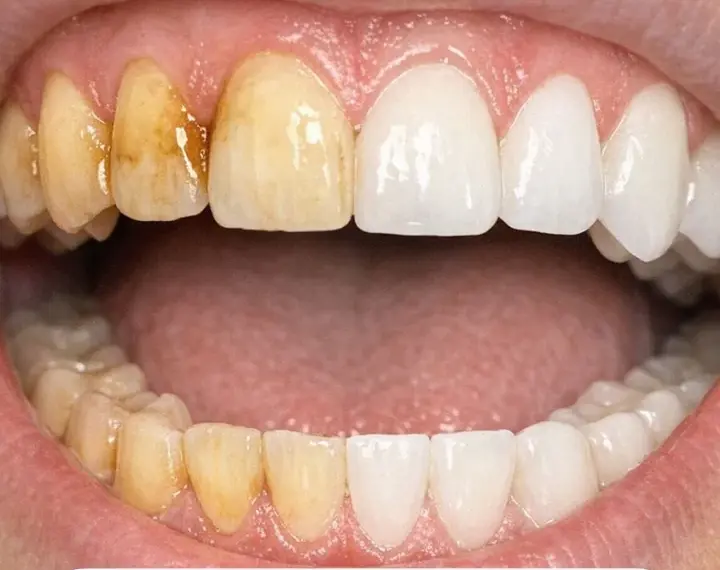
A bright, white smile is often associated with good health and vitality. However, beverages like coffee and tea can leave unsightly stains on our teeth over time. While professional whitening treatments are available, they can be costly and sometimes harsh on the enamel. Fortunately, there is a simple home remedy that can help reduce these stains and restore the natural whiteness of your teeth.
This article explores an easy-to-make mixture that promises to tackle coffee stains, tea discoloration, and dull enamel. By understanding how this mixture works and how to use it properly, you can enjoy a brighter smile without breaking the bank or harming your teeth. Read on to discover the ingredients, the science behind their effectiveness, and tips for maintaining your whitened teeth.
1. What Is This One Simple Swish Mixture?
The mixture in question is a combination of baking soda and hydrogen peroxide, two common household items known for their cleaning and whitening properties. Baking soda, or sodium bicarbonate, is a mild abrasive that can help scrub away surface stains on the teeth. Hydrogen peroxide is a bleaching agent that penetrates the enamel to break down stain molecules.
This dynamic duo is effective in whitening teeth because they work in tandem to physically remove stains and chemically lighten discoloration. When used correctly, this mixture can provide noticeable results without the need for expensive treatments.
2. The Science Behind Coffee And Tea Stains On Teeth
Coffee and tea contain tannins, which are naturally occurring compounds that can cause staining. Tannins are a type of polyphenol that can adhere to the enamel of the teeth, leading to discoloration over time. These beverages also tend to be acidic, which can erode the enamel and make it more susceptible to staining.
The porous nature of enamel allows these pigmented compounds to penetrate and settle, especially if oral hygiene is not maintained. Understanding the chemistry behind these stains can help in choosing effective methods to combat them.
3. The Exact Ingredients And Ratios For The Mixture
TO CONTINUE READING THE ARTICLE PLEASE SEE PAGE 2