Most gardeners toss orange peels into the trash or compost without realizing how valuable they are for plant health.
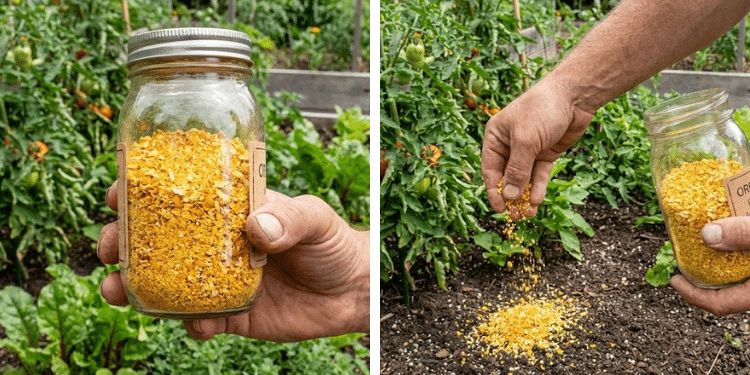
When dried and ground into a fine powder, orange peels become a powerful natural garden ally.
Orange peel powder feeds plants with slow-release nutrients, improves soil health, and helps repel many common garden pests – all without chemicals.
Used for generations in traditional gardening and organic farming, orange peel powder is an easy, affordable way to turn kitchen waste into a multifunctional plant booster.
Once you understand how it works, it quickly becomes a staple in eco-friendly gardening routines.
Why Orange Peel Powder Is So Effective in the Garden
Orange peels are rich in essential oils, minerals, natural acids, and organic compounds that benefit both soil and plants.
The most important compound is limonene, a natural oil responsible for orange peel’s strong citrus scent.
While pleasant to humans, limonene is highly irritating to many insects and soil-dwelling pests.
At the same time, orange peels contain calcium, potassium, magnesium, and trace nutrients that support plant growth and strengthen cell structure.
When used as a powder, the peels break down slowly, feeding plants while protecting them.
How Orange Peel Powder Feeds Plants Naturally
As orange peel powder decomposes in soil, it releases nutrients gradually, preventing nutrient spikes that can harm roots. This slow breakdown makes it especially useful for long-term soil improvement.
The organic matter improves soil texture, helping sandy soils retain moisture and clay soils drain better.
Over time, beneficial microbes break down the powder, enriching the soil ecosystem and improving nutrient availability to plant roots.
Plants grown in soil enriched with citrus-based organic matter often show improved vigor, stronger stems, and healthier leaf growth.
A Natural Source of Calcium for Stronger Plants
Calcium is essential for plant cell walls, root development, and disease resistance. Orange peel powder provides a gentle, plant-safe source of calcium that helps prevent common issues such as blossom end rot in tomatoes and peppers.
Unlike fast-acting calcium fertilizers, orange peel powder releases calcium slowly, making it safer and more sustainable for long-term plant health.
How Orange Peel Powder Repels Garden Pests
One of the most impressive benefits of orange peel powder is its ability to repel pests naturally.
Limonene and citrus oils disrupt insect nervous systems and interfere with their ability to locate food.
Orange peel powder helps deter:
- ants
- aphids
- slugs and snails
- mosquitoes
- flies
- fungus gnats
- some beetles
Sprinkled around plants or soil surfaces, it creates an invisible barrier pests prefer to avoid.
Repels Ants Without Killing Beneficial Insects
Ants dislike citrus oils intensely. When orange peel powder is applied around plant bases, ant trails are disrupted, causing colonies to relocate.
This is especially helpful in gardens where ants protect aphids.
Unlike chemical ant killers, orange peel powder discourages ants without harming pollinators or beneficial insects.
Helps Control Slugs and Snails
Slugs and snails avoid citrus compounds due to irritation and dryness. Applying orange peel powder around vulnerable plants creates a rough, scented barrier that discourages these pests from crossing.
This makes it useful for protecting lettuce, strawberries, hostas, and young seedlings.
Improves Compost Quality and Speed
Adding orange peel powder to compost piles increases microbial activity. The powder breaks down faster than whole peels, helping compost heat up and decompose more efficiently.
The citrus scent also helps deter flies from compost bins, reducing odor and pest problems.
Helps Suppress Soil Fungal Issues
Orange peels contain antifungal compounds that help discourage harmful soil fungi. While not a replacement for proper disease management, orange peel powder can help reduce fungal pressure around plant roots when used moderately.
This is especially helpful in humid environments or for container plants.
How to Make Orange Peel Powder at Home
Orange peel powder is easy to prepare using leftover peels.
Wash peels thoroughly and remove excess pith if desired. Allow them to dry completely – either air-dry in a warm place or dry them in the oven on very low heat.
Once crisp, grind them into a fine powder using a blender or coffee grinder.
Store the powder in an airtight container away from moisture.
How to Use Orange Peel Powder in the Garden
Orange peel powder can be used in several ways depending on your needs.
Sprinkle lightly around the base of plants as a pest deterrent. Mix into soil before planting to enrich garden beds. Add to compost for faster breakdown. Blend into potting soil for container plants.
Moderation is key. A thin layer is more effective than heavy application.
Best Plants for Orange Peel Powder
Orange peel powder works well for:
- vegetables such as tomatoes, peppers, cucumbers, and leafy greens
- flowering plants like roses, marigolds, and zinnias
- fruit trees and berry bushes
- houseplants prone to fungus gnats
Avoid using excessive amounts on acid-sensitive plants.
Precautions and Best Practices
While beneficial, orange peel powder should be used thoughtfully. Too much citrus material can temporarily alter soil pH.
Apply sparingly and mix well into soil rather than piling it in one spot.
Avoid using fresh peels directly on soil, as they decompose slowly and may attract pests.
Why Gardeners Are Returning to Citrus-Based Gardening
As interest in organic gardening grows, gardeners are rediscovering traditional methods that rely on natural waste materials instead of chemicals.
Orange peel powder offers a sustainable way to feed plants, repel pests, and reduce kitchen waste – all at once.
It’s affordable, accessible, and environmentally friendly.
Orange peel powder is far more than garden waste. It is a natural fertilizer, pest deterrent, soil conditioner, and compost booster rolled into one.