Creating personalized garden decor is a rewarding way to enhance your outdoor space. By combining everyday materials like wet cement and empty cartons, you can craft a unique flowerpot that not only serves as a functional piece but also adds a touch of creativity to your garden. This project is perfect for those who enjoy hands-on activities and want to add a personal flair to their gardening efforts.
Materials Needed for the DIY Flowerpot
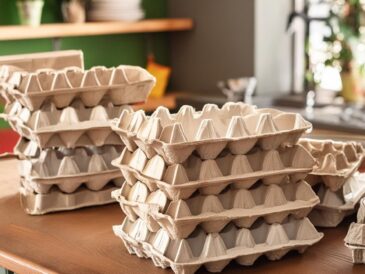
To embark on this DIY project, gather the following materials: wet cement mix, empty egg cartons, a mixing container, water, sand, a trowel or mixing stick, a plastic sheet or tarp to protect your workspace, and optional items like paint or sealant for finishing touches. These materials are easily accessible and affordable, making this project both economical and environmentally friendly.
Preparing Your Workspace for Crafting
Before you begin, it’s important to set up a suitable workspace. Lay down a plastic sheet or tarp to protect the area from cement spills. Ensure you have enough space to work comfortably and have all your materials within reach. It’s advisable to work in a well-ventilated area or outdoors to avoid inhaling any dust from the cement mix.
Mixing Cement and Sand for the Flowerpot
Start by mixing the cement and sand in your container. A typical ratio is 1 part cement to 2 parts sand, but you can adjust this based on the desired strength and texture of your flowerpot. Gradually add water while stirring the mixture with a trowel until you achieve a thick, paste-like consistency. Be careful not to add too much water, as this can weaken the final product.
Shaping the Flowerpot with Egg Trays
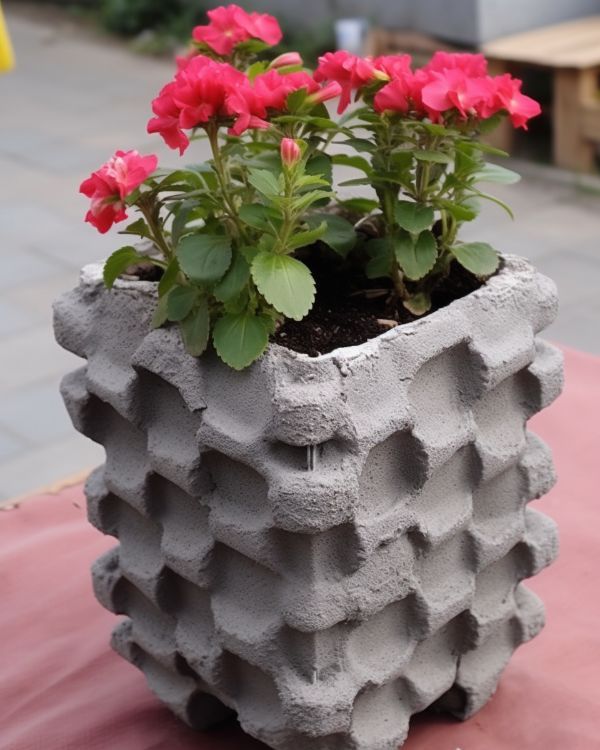
Empty egg cartons serve as excellent molds for shaping your flowerpot. Cut the cartons to the desired size and shape, keeping in mind that they will form the outer structure of your pot. The compartments of the egg trays can create interesting textures and patterns on the surface of the cement.
Assembling the Flowerpot Structure
Once your cement mixture is ready, begin filling the egg carton molds. Press the cement firmly into each compartment to ensure there are no air pockets. You can layer additional cartons or pieces of cardboard to create the desired height and shape of your flowerpot. Make sure the structure is stable and evenly filled.
Allowing Time for the Cement to Set
After assembling your flowerpot, allow the cement to set and cure. This process can take anywhere from 24 to 48 hours, depending on the thickness of the cement and the environmental conditions. It’s crucial to let the cement dry completely to ensure the durability of your flowerpot.
Removing the Egg Trays and Finishing Touches
Once the cement has fully set, carefully remove the egg trays from the surface of the flowerpot. You may need to use a small knife or sandpaper to smooth out any rough edges. At this stage, you can also apply paint or sealant to protect the pot from weathering and add a personal touch to its appearance.
Personalizing Your Flowerpot Design
Personalization is where your creativity can truly shine. Consider painting your flowerpot in vibrant colors or adding decorative elements like mosaic tiles or stencils. You can also carve patterns or designs into the cement before it fully hardens for a more intricate look.
Planting and Arranging Flowers in Your New Pot
With your flowerpot complete, it’s time to fill it with soil and plant your favorite flowers. Choose plants that complement the size and style of your pot. Arrange them thoughtfully to create a visually appealing display that enhances the overall aesthetic of your garden.
Tips for Maintaining Your Cement Flowerpot
To ensure the longevity of your cement flowerpot, place it in a location where it won’t be exposed to extreme weather conditions. Regularly check for cracks or damage and apply sealant as needed to protect it from moisture. Additionally, avoid overwatering the plants to prevent water accumulation in the pot.
Conclusion: Combining Creativity with Gardening
Crafting a flowerpot from wet cement and empty cartons is a fantastic way to combine creativity with gardening. This project not only results in a unique and functional piece for your garden but also offers a sense of accomplishment and personalization. By repurposing everyday materials, you contribute to sustainable practices while enhancing your outdoor space with a touch of artistry.