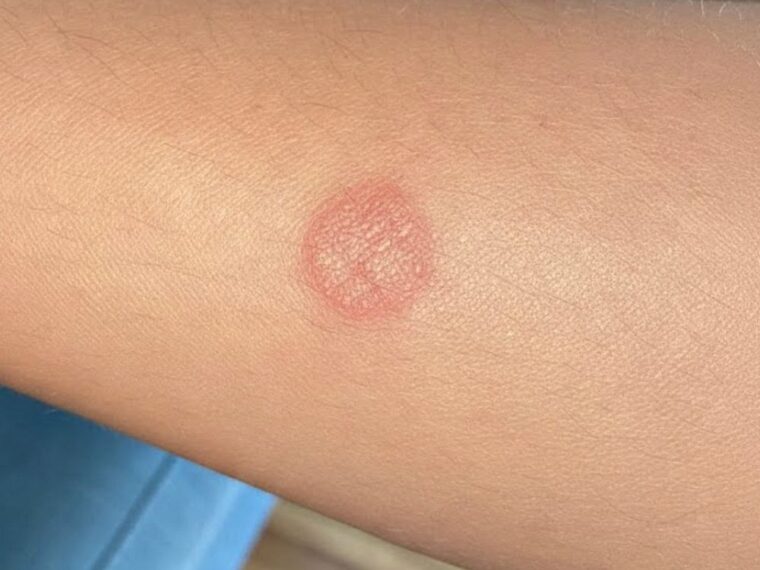
A circular red rash like the one shown in the image is a common skin concern that many people experience at some point. While it may look alarming at first glance, it is often linked to a manageable condition—most commonly ringworm, a fungal infection of the skin. Despite its name, ringworm has nothing to do with worms. Instead, it is caused by fungi that thrive on warm, moist areas of the body.
What Does This Type of Rash Look Like?
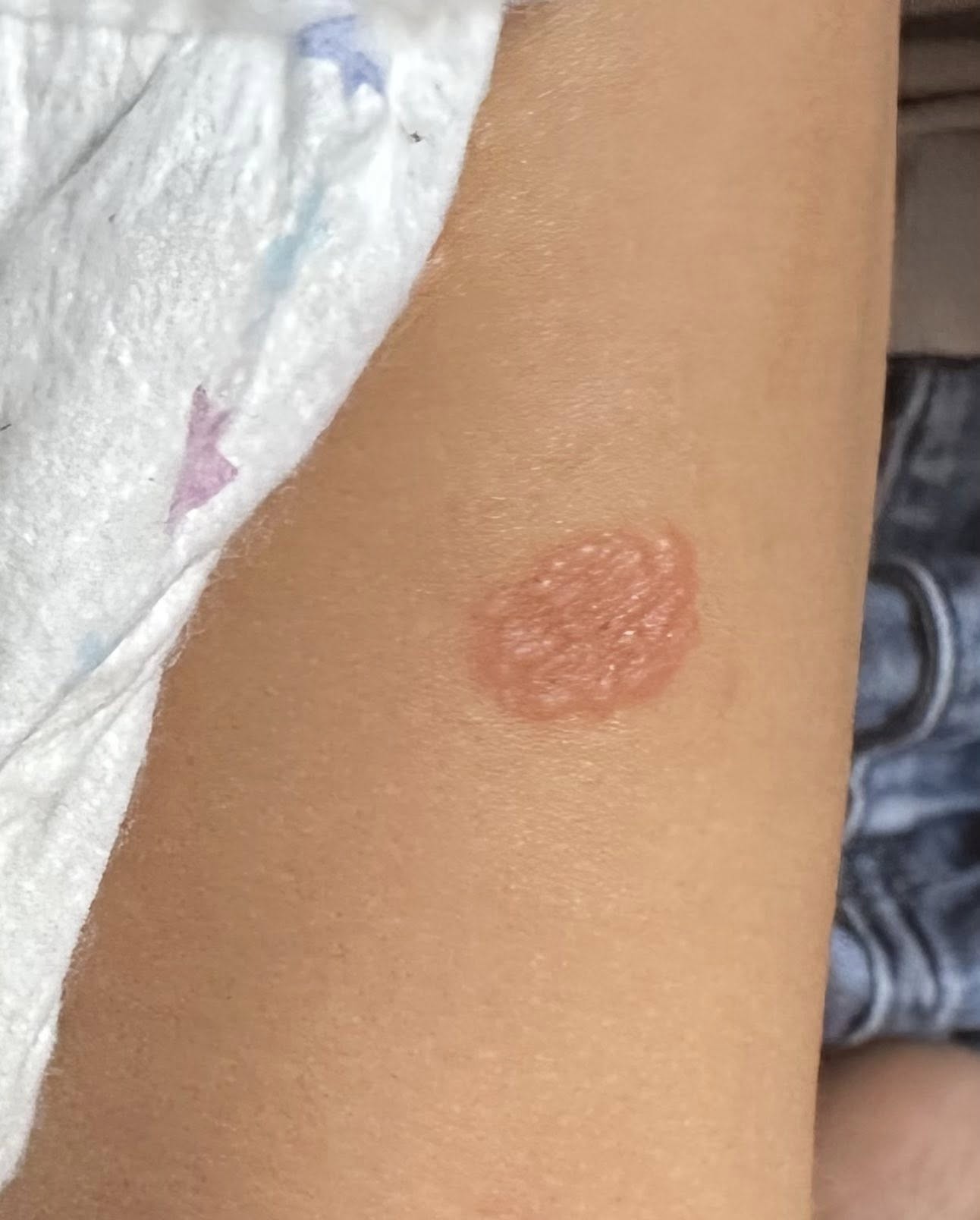
The rash typically appears as a round or oval patch with a slightly raised, red border and a clearer or lighter center. It may gradually expand outward, forming a ring-like shape. The affected area can feel itchy, dry, or slightly scaly. In some cases, multiple rings may develop, especially if the infection spreads.
Common Causes
The most frequent cause of this type of rash is tinea corporis, a fungal infection that spreads through direct contact. You can get it by touching infected skin, sharing personal items like towels or clothing, or even from pets such as cats and dogs. Warm, humid environments also increase the risk, making it more common in people who sweat heavily or live in tropical climates.
However, not all ring-shaped rashes are fungal. Conditions like eczema, allergic reactions, or even insect bites can sometimes mimic this appearance. That’s why proper identification is important.
How to Treat It
- If the rash is caused by a fungal infection, over-the-counter antifungal creams are usually effective.
- Products containing clotrimazole, terbinafine, or miconazole can help eliminate the fungus when applied consistently for 2–4 weeks. It’s important to continue treatment even after the rash starts to fade to prevent recurrence.
- Keep the affected area clean and dry, and avoid scratching to reduce irritation and prevent spreading.
- Wearing loose, breathable clothing can also help the skin heal faster.
When to See a Doctor
You should consider seeing a healthcare professional if the rash:
- Does not improve after two weeks of treatment
- Spreads rapidly or becomes painful
- Shows signs of infection such as swelling, pus, or fever
- Appears in multiple areas or keeps coming back
- A doctor can confirm the diagnosis and prescribe stronger medication if needed.
Prevention Tips
To avoid similar skin issues in the future, maintain good hygiene, avoid sharing personal items, and wash your hands after touching animals. If you visit public places like gyms or swimming pools, make sure to shower and dry your skin thoroughly afterward.
Final Thoughts
A ring-shaped rash can be concerning, but in most cases, it is treatable with simple care. Paying attention to early signs and taking quick action can help you recover faster and prevent the condition from spreading.