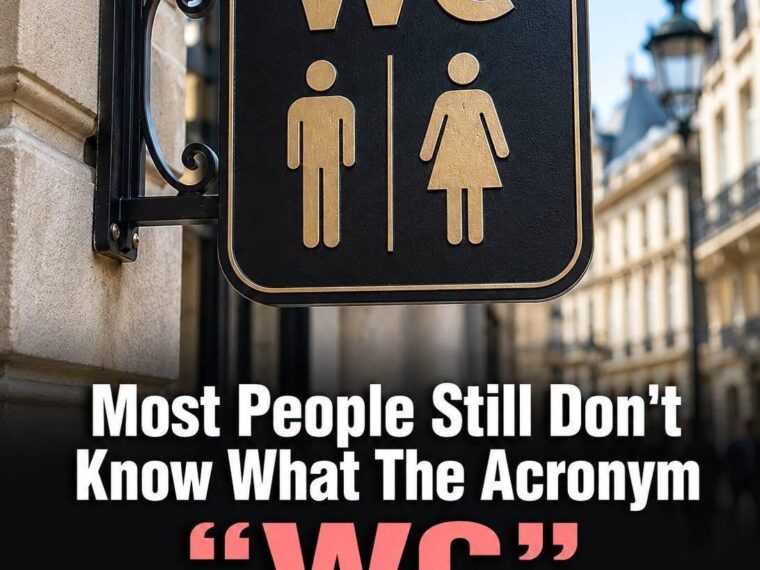
When walking through airports, hotels, or public spaces, you often encounter the simple, cryptic letters: WC. For modern travelers, these letters are a beacon of relief, yet most people have no idea what they stand for. While we now call them restrooms, bathrooms, or comfort stations, the WC has a fascinating history rooted in Victorian innovation.
History
What Does WC Stand For?
WC stands for Water Closet. In the late 19th century, bringing a toilet indoors was revolutionary and slightly scandalous. Before indoor plumbing, toilets were typically kept outside for sanitation reasons. The term “Water Closet” arose because these small indoor rooms contained the new water-flushing technology—a literal closet with water.
Owning a WC was a status symbol. It showed that you were modern, wealthy, and part of the new era of hygiene and convenience.
Bathroom vs WC
Interestingly, the word “bathroom” is technically misleading. Most public restrooms do not contain baths. “Bathroom” became a polite euphemism, while WC describes the room’s true function. Using the correct signage ensures clarity, especially for international travelers.
Across Europe and Asia, relying on WC signage avoids confusion. No matter your language—English, Mandarin, or Swahili—the WC tells you exactly what to expect: a functional toilet with flushing.
Bathroom
Historical Context: From Outdoor Outhouses to Indoor Water Closets
Before indoor plumbing, people used cesspits or chamber pots. Waste removal was manual and hazardous. The WC transformed domestic hygiene:
- Eliminated reliance on “Night Soil Men” who manually emptied cesspits.
- Brought sanitation inside homes.
- Required architectural innovation, including the P-trap or S-trap to prevent sewer gases.
This engineering feat was not just about convenience—it was a leap in public health and privacy.
Global Differences in WC Etiquette
- Japan: High-tech WCs with heated seats, bidets, and noise-masking functions.
- Europe: Paid public toilets with strict social protocols.
- USA: Stall gaps create a unique privacy dynamic; design prioritizes maintenance and cleanliness.
Each culture adapts the WC to its social and environmental context, yet the WC letters remain universally recognizable.
The Social Rules of Public Restrooms
Freddy Quinne’s viral observations highlight unwritten social rules:
- Urinal Protocol: Avoid standing directly next to someone if other urinals are free.
- No-Look Policy: Avoid eye contact to preserve privacy.
- Buffer Zones: Odd-numbered urinals create spacing that maintains comfort.
These subtle rules maintain decorum and protect privacy in otherwise vulnerable spaces.
WC in Popular Culture
The WC has also appeared as a comedic and dramatic backdrop in media:
- Comedy: Urinal etiquette gags highlight social awkwardness.
- Drama: Private moments of reflection often occur in bathrooms.
- Horror: Vulnerability in these spaces heightens tension.
The WC serves as a mirror of human behavior and societal norms.
The Engineering Behind the Water Closet
From “dry closets” to modern flush toilets, early designs were fraught with challenges:
- Early toilets struggled with sewer gases.
- The invention of the P-trap sealed gases and improved hygiene.
- Indoor plumbing required courage and innovation, transforming home layouts.
The WC represents a triumph of human ingenuity.
Modern Evolution
Today, the WC continues to evolve:
- Green Technology: Vacuum toilets and composting systems reduce water usage.
- Gender-Neutral Facilities: Returning to fully enclosed, private rooms.
- Digital Influence: Social norms around privacy continue to shape design.
Despite changes, the letters WC remain a symbol of universality, privacy, and hygiene.
Conclusion: Respect the Water Closet
The WC is more than just a room—it’s a social equalizer, a piece of history, and a sanctuary. Whether in Japan, Europe, or America, the WC reflects centuries of innovation, etiquette, and cultural adaptation. Next time you see the letters WC, remember their story: a blend of engineering brilliance, privacy, and societal evolution.