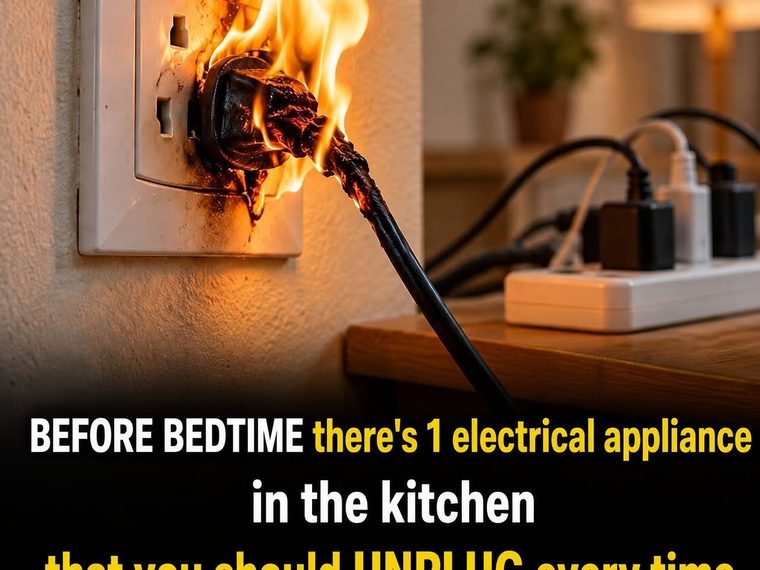
A simple nightly habit could help reduce electrical risks at home.
Chapter 1
Chpter 1: Why Unplugging Some Appliances Matters

6
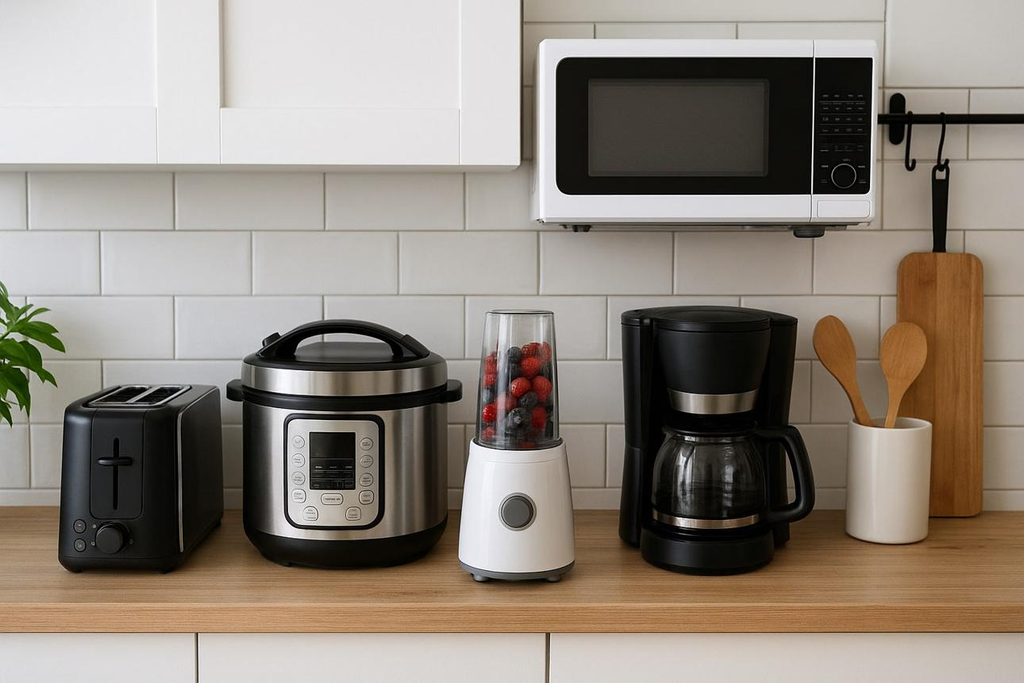
The kitchen is one of the busiest rooms in most homes. From coffee makers and electric kettles to toasters and air fryers, numerous appliances rely on electricity every day. While these devices make life more convenient, they also create potential electrical hazards when not used properly.
Many people assume that turning an appliance off completely eliminates all risks. In reality, some devices continue drawing a small amount of electricity while plugged in. Although this standby power is usually minimal, worn-out cords, damaged plugs, overloaded outlets, and aging appliances can increase the possibility of overheating.
Among the appliances that often deserve extra attention are toasters, electric kettles, sandwich makers, countertop ovens, and older coffee machines. These devices generate heat during operation, and any hidden electrical fault may become more concerning if left connected for long periods.
Electrical experts often recommend inspecting cords regularly for signs of damage such as fraying, discoloration, or unusual warmth. Even a small defect can become a safety concern over time. Likewise, plugging multiple high-power appliances into a single extension strip can increase electrical stress.
Developing the habit of unplugging appliances that are not needed overnight can be a simple precaution. While it does not guarantee complete protection from every electrical problem, it reduces potential risks and encourages greater awareness of household safety.
Chapter 2: Which Kitchen Appliances Require Extra Attention?
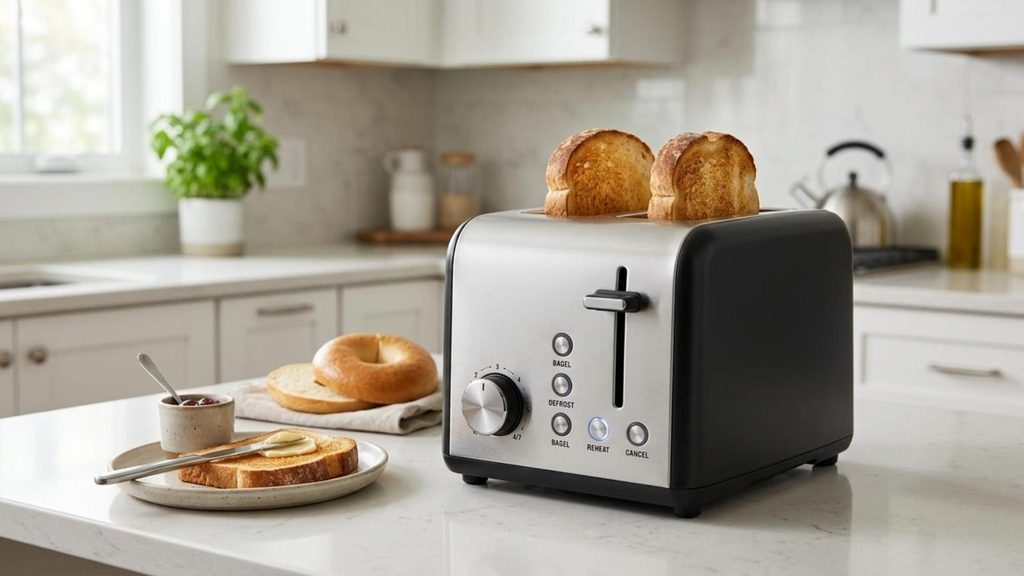
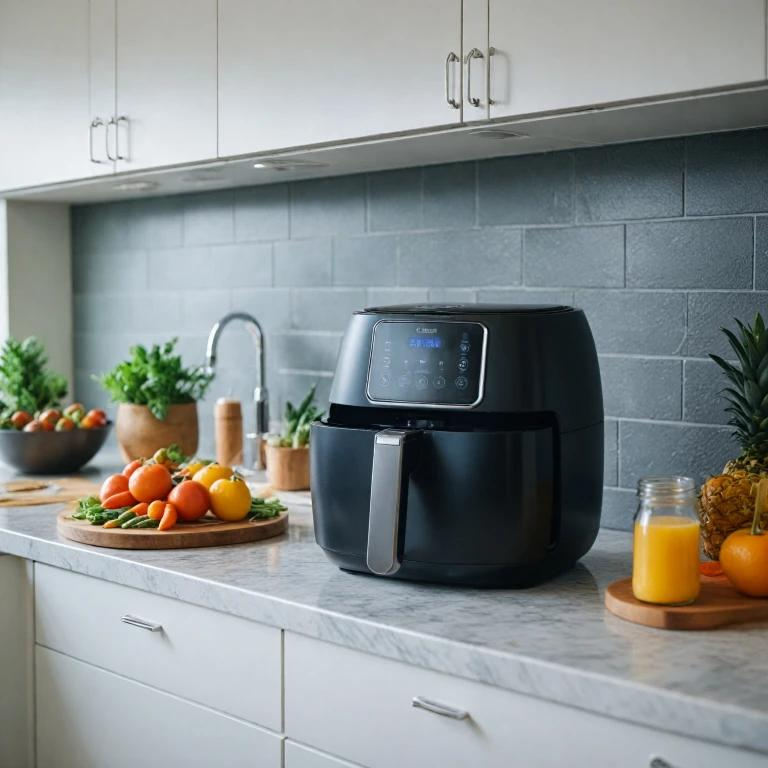
Not every appliance needs to be unplugged each night. Refrigerators, freezers, and other devices designed for continuous operation obviously need to remain connected. However, certain countertop appliances deserve closer attention.
Toasters are frequently mentioned by fire safety organizations because crumbs can accumulate inside over time. If cleaning is neglected, these crumbs may become a potential ignition source when the appliance is used again. Keeping the toaster clean and unplugged when not in use is a sensible precaution.
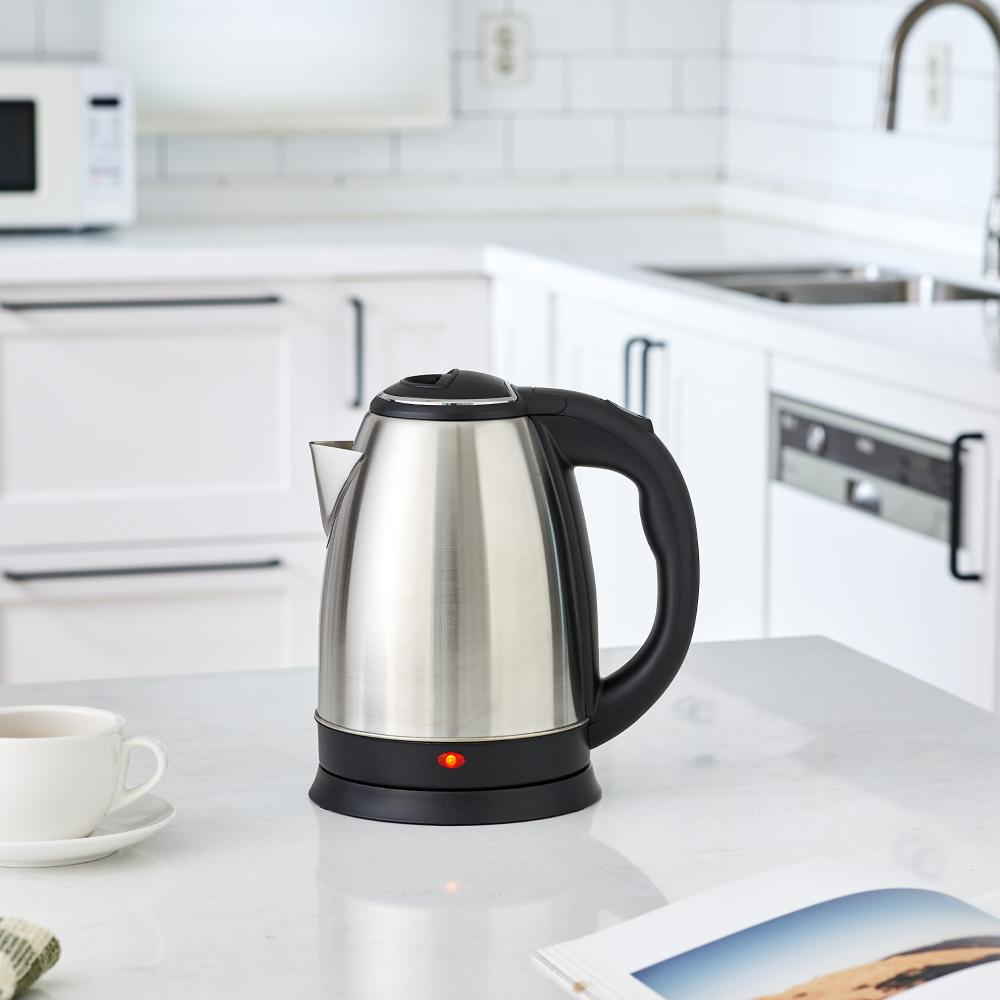
Electric kettles and coffee makers also contain heating elements. Although modern models include safety mechanisms, damage, wear, or manufacturing defects can occasionally create unexpected problems. Unplugging these appliances when not needed reduces exposure to potential electrical faults.
Air fryers, slow cookers, rice cookers, and countertop ovens should always be used according to manufacturer instructions. If an appliance is not actively preparing food, disconnecting it after use may provide an additional layer of safety.
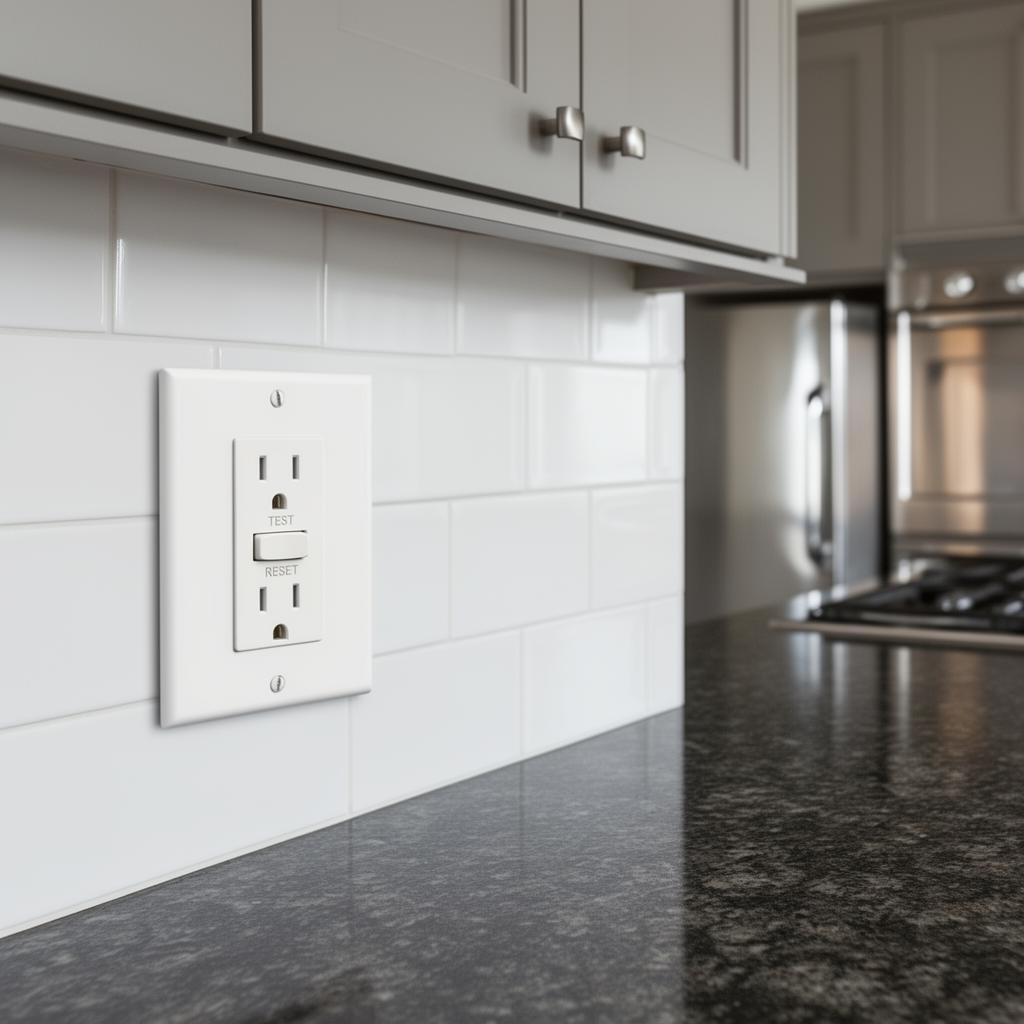
Another important factor is outlet condition. Even a perfectly functioning appliance can become dangerous if connected to a damaged outlet or overloaded power strip. Homeowners should periodically inspect outlets for discoloration, unusual odors, or signs of heat damage.
Ultimately, appliance safety depends on proper maintenance, correct usage, and regular inspection rather than fear of the appliances themselves.
Chapter 3: Creating a Safer Nighttime Routine
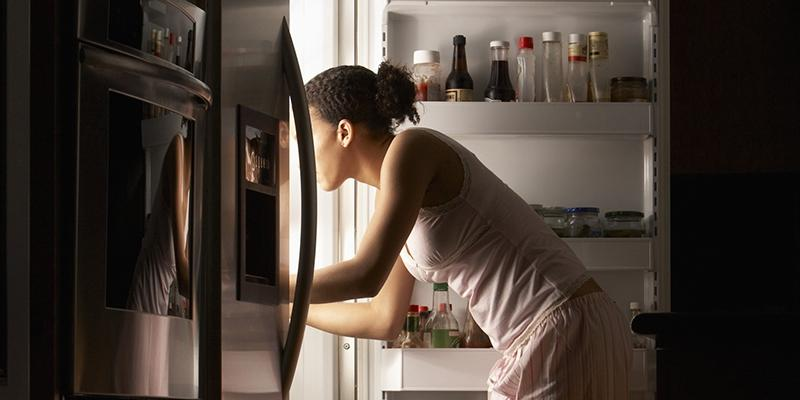
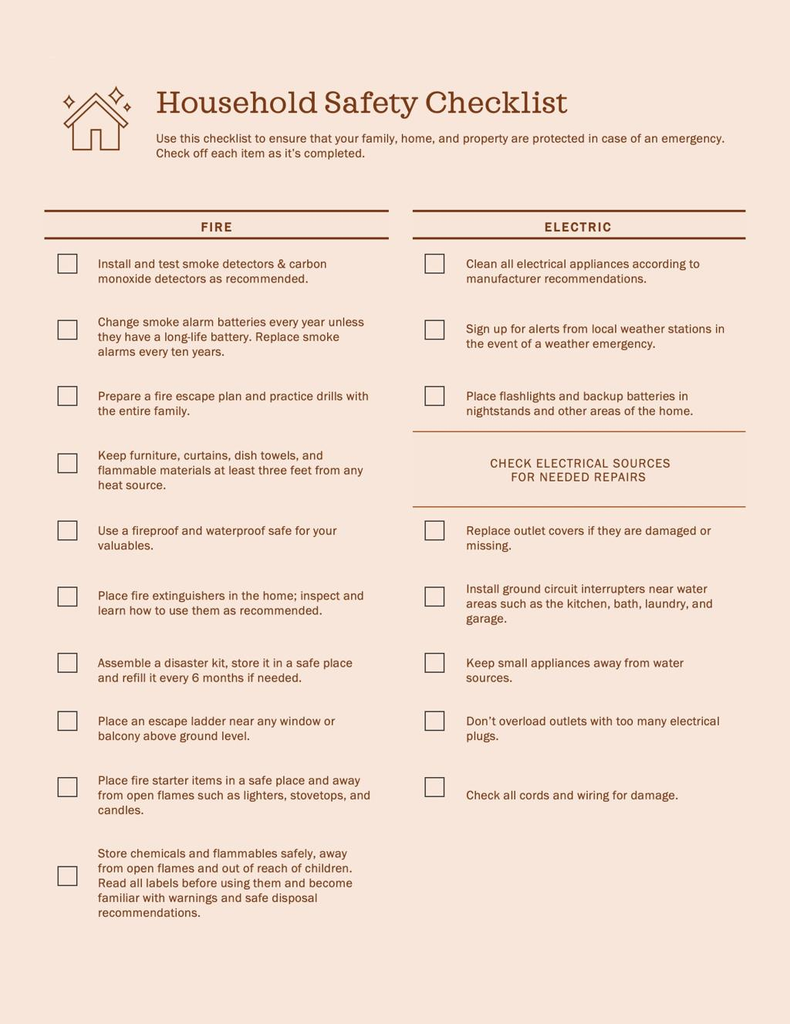

A safer home often results from simple daily habits rather than expensive upgrades. Before heading to bed, taking a quick walk through the kitchen can help identify potential issues that might otherwise go unnoticed.
A practical evening routine may include checking that stovetops are turned off, unplugging small heating appliances that are not needed, ensuring power strips are not overloaded, and confirming that cords are not trapped beneath heavy furniture or appliances.
It is also wise to keep flammable materials away from heat-producing devices. Dish towels, paper products, and packaging should never be stored directly beside appliances that become hot during operation.
For families with older appliances, replacing damaged cords and upgrading outdated equipment can significantly improve safety. Modern appliances often include enhanced protection systems designed to reduce electrical hazards.
Smoke detectors also play a critical role. Regular testing and battery replacement ensure that any potential problem can be detected quickly. Combined with good appliance habits, these devices provide valuable protection for households.
The message is simple: most kitchen appliances are safe when properly maintained and used correctly. However, making a habit of unplugging unnecessary heating appliances before bed, inspecting cords regularly, and following manufacturer guidelines can help reduce risks and create a safer environment for everyone in the home.