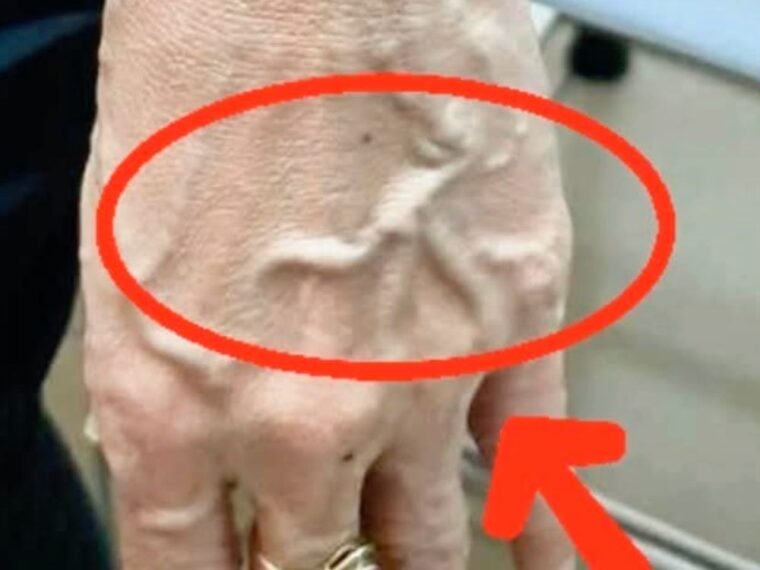
Visible veins—especially on the arms, hands, or legs—often raise questions about health. Many people assume that if veins are easy to see, it must signal poor circulation. In reality, that’s not usually the case. Prominent veins are often normal and influenced by several harmless factors.
Why Do Some People Have More Visible Veins?
There are a few common reasons why veins may appear more noticeable:
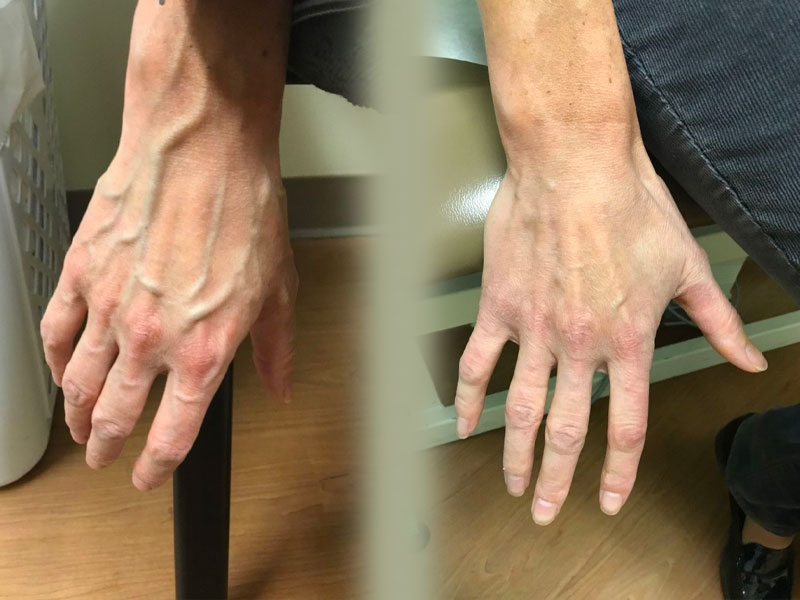
- Low body fat: Fat sits between the skin and veins. People with lower body fat have less tissue covering their veins, making them more visible.
- Thin or fair skin: Lighter or thinner skin allows veins to show through more easily.
- Age: As we get older, skin becomes thinner and loses elasticity, making veins more prominent.
- Exercise: Physical activity increases blood flow and causes veins to expand temporarily, especially during workouts.
- Genetics: Some people naturally have more visible veins due to inherited traits.
In these cases, visible veins are typically harmless and not related to circulation problems.
What Is Circulation, and How Does It Work?
Circulation refers to how blood moves through your body, delivering oxygen and nutrients while removing waste. It involves the heart, arteries, and veins working together efficiently.
Poor circulation usually means blood isn’t flowing properly, often due to underlying conditions such as narrowed arteries or blood vessel damage—not simply how veins look on the surface.
When Are Visible Veins a Concern?
Although visible veins are usually normal, there are situations where they may signal an issue. You should pay attention if you notice:
- Swelling in the legs or ankles
- Pain, heaviness, or aching
- Skin discoloration around the veins
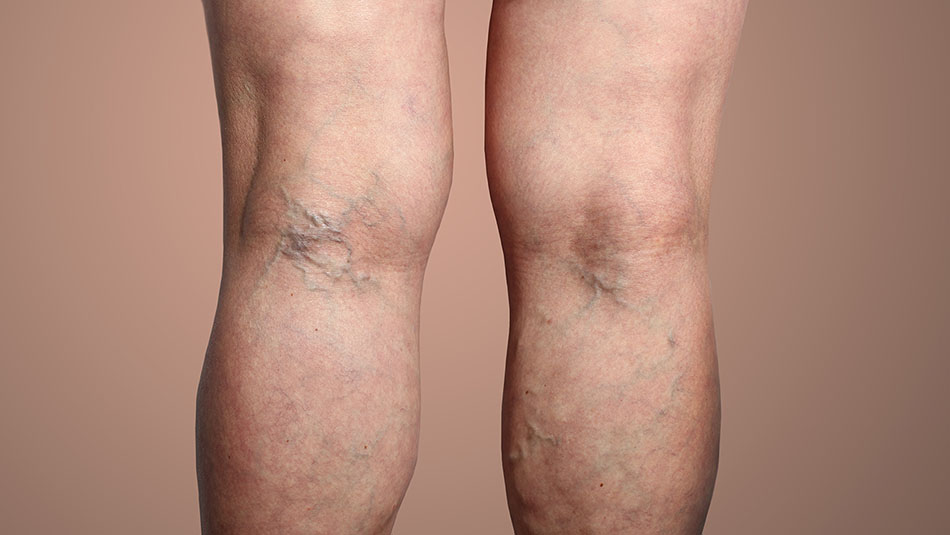
- Bulging, twisted veins (varicose veins)
- Sudden changes in vein appearance
These symptoms could indicate conditions like varicose veins or venous insufficiency, where blood doesn’t flow efficiently back to the heart.
Common Vein Conditions
- Varicose veins: Enlarged, twisted veins often seen in the legs, sometimes causing discomfort.
- Spider veins: Smaller, web-like veins visible under the skin, usually harmless but sometimes cosmetic concerns.
- Chronic venous insufficiency: A condition where veins struggle to return blood upward, leading to swelling and discomfort.
How to Support Healthy Circulation
Even if visible veins are harmless, maintaining good circulation is important. Here are simple ways to support vascular health:
- Stay active with regular exercise
- Avoid sitting or standing for long periods
- Maintain a healthy weight
- Stay hydrated
- Elevate your legs when resting
- Wear compression socks if recommended
The Bottom Line
Visible veins do not automatically mean poor circulation. In most cases, they are simply a natural variation in body composition, skin type, or lifestyle. However, if visible veins are accompanied by discomfort, swelling, or other unusual symptoms, it’s a good idea to consult a healthcare professional.
Understanding the difference between normal vein visibility and signs of a medical issue can help you stay informed—and avoid unnecessary worry.