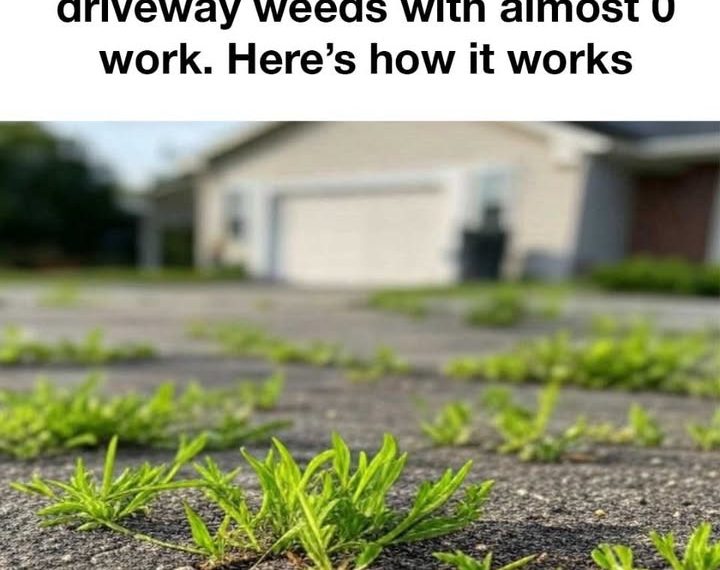
Driveway weeds can make an otherwise clean home exterior look neglected. They often appear in cracks between concrete, asphalt, paving stones, and along driveway edges where dirt and moisture collect.
The good news is that you don’t always need hours of pulling and scrubbing. With the right approach, you can remove existing weeds and make it harder for new ones to return.
Why Do Weeds Grow in Driveway Cracks?
Driveway cracks may seem like an unlikely place for plants to grow, but they can collect:
- Soil and dust
- Leaves and organic debris
- Rainwater
- Seeds carried by wind
- Moisture trapped between paving materials
Once a seed finds a small amount of soil and moisture, it can begin growing.
Method 1: Pour Boiling Water Over Small Weeds
One simple method for small areas is boiling water.
Carefully pour freshly boiled water directly onto the unwanted weeds, concentrating on the leaves and the base of the plant.
The heat can damage the plant’s tissues and may cause the weed to wilt.
Important Safety Tip
Boiling water can cause serious burns. Carry the container carefully and keep children and pets away from the area.
Also be careful around desirable plants because boiling water does not distinguish between weeds and plants you want to keep.
Step 1: Remove Large Weeds First
For larger weeds, pull them out by hand when the soil is slightly moist.
Try to remove as much of the root as possible.
For weeds growing deep inside a crack, a narrow weeding tool can help loosen the root before pulling.
Step 2: Treat Small Remaining Growth
After removing the larger plants, boiling water can be used on small weeds growing in cracks where appropriate.
You may need to repeat the treatment if new growth appears.
Don’t expect one treatment to permanently prevent every weed from returning.
Step 3: Clean the Cracks
After the weeds are gone, remove leaves, soil, and other organic material from the cracks.
A stiff brush can help clear debris from larger cracks.
The less soil and organic matter available, the fewer opportunities weeds have to establish themselves.
What About Vinegar?
Vinegar is sometimes used as a household weed-control method because acetic acid can damage plant foliage.
However, ordinary household vinegar may not reliably kill established perennial weeds, particularly their roots.
Higher-concentration horticultural vinegar products can be much more hazardous and should only be used according to their label directions.
Keep any vinegar-based weed treatment away from desirable plants.
Should You Use Salt?
Although salt can kill plants, it’s generally not a good choice for driveway weed control.
Salt can remain in the soil and may damage nearby grass, flowers, trees, and other desirable vegetation. It can also move with rainwater into areas where you don’t want it.
For this reason, mechanical removal, appropriate weed-control products, or targeted heat treatments are generally preferable.
How to Stop Driveway Weeds From Coming Back
Removing existing weeds is only half the job.
Keep Cracks Clean
Regularly sweep your driveway to remove leaves, soil, and other organic debris.
Remove New Weeds Early
Small weeds are much easier to remove than established plants with deep roots.
Repair Large Cracks
If your driveway has significant cracks, repairing them can reduce the spaces where soil and seeds accumulate.
Improve Drainage
Persistent moisture can encourage plant growth. Make sure water isn’t regularly pooling around the driveway.
A Simple Maintenance Routine
You don’t need to spend an entire afternoon fighting driveway weeds.
Try this simple routine:
- Pull large weeds when you see them.
- Remove dirt and leaves from cracks.
- Treat small unwanted growth appropriately.
- Sweep the driveway regularly.
- Repair larger cracks when necessary.
- Check the area every few weeks during the growing season.
A few minutes of maintenance can prevent a much bigger cleanup later.
Final Thoughts
Driveway weeds don’t require an elaborate cleaning routine. Removing weeds early, keeping cracks free of soil and debris, and using targeted treatments carefully can make a noticeable difference.
If you use boiling water, remember that it is a burn hazard and can also damage nearby plants. For persistent or widespread weeds, a product specifically labeled for driveway or hard-surface weed control may be more appropriate.