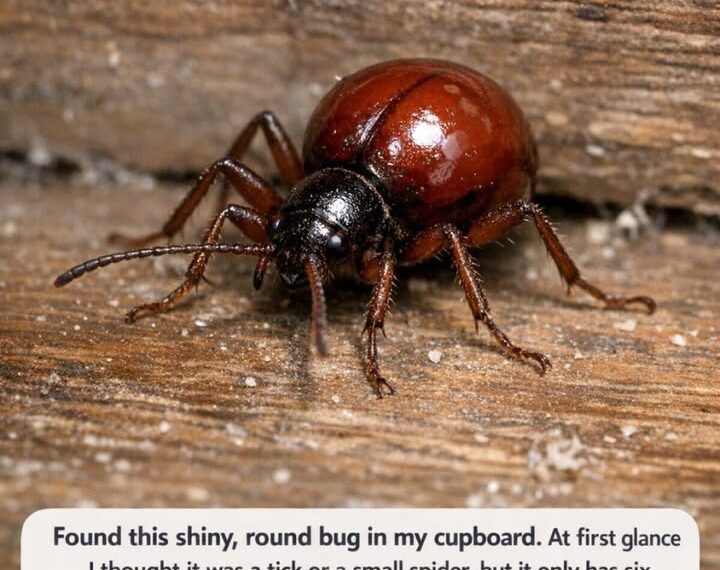
Opening your cupboard to find an unfamiliar bug can be an unsettling experience. Your initial reaction might be to assume the worst, like discovering a tick or a small spider among your food items. However, upon closer inspection, you notice that the creature has six legs and long antennae, characteristics that don’t quite fit your initial assumptions.
This article will help you identify the mystery bug, understand if it poses a threat to your pantry, and what steps to take to ensure your food remains safe. We’ll delve into the specifics of this creature, often mistaken for more harmful pests, and provide guidance on how to manage its presence effectively.
1. Meet the Mystery Bug: What a Spider Beetle Actually Is
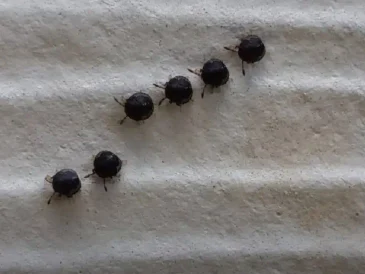
The bug you’re likely dealing with is known as a spider beetle, belonging to the family Ptinidae. These insects are small, typically ranging from 1.5 to 3.5 millimeters in length, and have a shiny, round appearance that can easily be mistaken for a tick or small spider. Their elongated antennae and six legs are key identifiers that set them apart from other pests.
Spider beetles are often a reddish-brown or black color, and their bodies are covered with fine hairs, giving them a slightly fuzzy appearance. Despite their name, they are not arachnids but are rather closer relatives to common beetles.
2. How To Tell a Spider Beetle From Ticks, Spiders, and Bed Bugs
Distinguishing a spider beetle from ticks, spiders, and bed bugs can be done by examining its physical features closely. Ticks typically have a more flattened body and are arachnids, meaning they have eight legs. In contrast, spider beetles have only six legs, similar to other insects.
Spiders are also eight-legged and usually have a more segmented body with visible pedipalps and fangs, while spider beetles have a more uniform, rounded body shape. Bed bugs are often larger, with a flat, oval-shaped body and a reddish-brown color, lacking the long antennae that are characteristic of spider beetles.
3. Why Spider Beetles Love Your Cupboards and Pantries
Spider beetles are particularly attracted to areas where food is stored, making your cupboards and pantries ideal habitats. They are scavengers by nature and feed on a wide variety of materials, including grains, flour, dried fruits, and even animal products like wool and feathers.
The dark, enclosed spaces of a pantry provide a perfect environment for spider beetles to thrive, as they prefer to be away from light and disturbance. Additionally, the presence of food supplies they can easily access makes these locations even more appealing.
4. The Foods Spider Beetles Infest Most Often
Spider beetles are known to infest a range of dry food products. They are particularly fond of grains and cereals, flour, dried fruits, nuts, and spices. Given their ability to feed on a variety of organic materials, they can also be found in bird nests and animal products, which can sometimes lead to infestations in unexpected places.
It’s crucial to regularly check these types of food items in your pantry for any signs of infestation, such as small holes in packaging or the presence of beetle excrement, which can appear as fine grains of sand.
5. Signs You Have a Spider Beetle Infestation (Beyond the One You Saw)
Beyond spotting a spider beetle, other signs of infestation include the presence of small beetle shells or exoskeletons, which they shed as they grow. You may also notice small, round holes in food packaging, which indicate where the beetles have entered.
The presence of frass, or beetle droppings, which looks like small grains of sand or sawdust, is another telltale sign. It’s important to inspect the entire pantry area since these beetles can migrate from one food source to another if left unchecked.
6. Are Spider Beetles Dangerous to People or Pets?
Fortunately, spider beetles pose minimal risk to humans and pets. They do not bite, sting, or transmit diseases, making them more of a nuisance than a health threat. However, their presence in food can lead to contamination, which is a concern for maintaining a clean and hygienic pantry.
While the beetles themselves are not directly harmful, the spoilage of food they cause can result in waste and potential economic loss if an infestation is not managed promptly.
7. What To Do Immediately After You Find One in Your Cupboard
Upon discovering a spider beetle, the first step is to remove any infested food items to prevent the spread of the beetles to other products. Ensure you seal these items in a plastic bag before disposing of them to contain any beetles or larvae.
Next, thoroughly clean the affected area. Use a vacuum cleaner to remove any remaining beetles, larvae, or eggs, and wipe down surfaces with a mild disinfectant. This helps eliminate any residual scent trails that could attract more beetles.
8. How To Inspect and Clean Your Pantry Like a Pro
Begin by emptying your pantry completely, checking each item for signs of infestation. Pay particular attention to the corners and edges of shelves where beetles may hide.
Once empty, vacuum all shelves and crevices thoroughly. Follow up by washing surfaces with soapy water or a vinegar solution to remove any remaining beetle pheromones. Be sure to dry the area completely to prevent mold growth.
As you return items to the pantry, consider using airtight containers for susceptible products like flour and cereals. This not only protects them from pests but also keeps them fresher for longer.
9. When You Need Professional Pest Control—and When You Don’t
For minor infestations, DIY methods of cleaning and prevention are often sufficient to manage the problem. However, if the infestation is extensive and persists despite your efforts, it may be time to call in professional pest control services.
Professionals can provide a more thorough inspection and may use targeted treatments that are not available to the general public, ensuring that the problem is resolved quickly and effectively. If you have a recurring issue, they can also help identify underlying causes or entry points that need to be addressed.
10. Simple Prevention Habits To Keep Spider Beetles Out for Good
To prevent future infestations, practice good pantry hygiene by regularly cleaning shelves and checking food products for signs of beetles. Store dry goods in airtight containers to block access to potential food sources.
Regularly rotate your pantry stock to ensure that older items are used first and do not sit undisturbed for long periods, which can attract pests. Additionally, sealing cracks and crevices in pantry walls and around windows or doors can help prevent beetles from entering your home in the first place.
11. When to Relax: Putting the Risk to Your Food in Perspective
While finding a spider beetle can be alarming, it’s important to remember that they do not pose a direct threat to your health. With prompt action and proper pantry management, you can quickly eliminate the problem and protect your food supplies.
By understanding the habits and preferences of spider beetles, you can take informed steps to prevent future infestations and maintain a clean, pest-free pantry environment. This allows you to focus on enjoying your food without the worry of unwanted pantry guests.