Starting seeds early is one of the most effective ways to create a productive garden. Many vegetables, herbs, and flowers need several weeks to develop strong roots before they are ready to be planted outdoors.
By starting seeds indoors or in protected environments before May, gardeners give their plants a significant head start.
Early seed starting allows plants to grow larger and stronger before they face outdoor conditions such as wind, pests, and temperature changes.
This often leads to healthier plants, earlier harvests, and larger yields during the growing season.
Why Starting Seeds Early Makes a Big Difference
Many garden plants require weeks to grow into strong seedlings. If seeds are planted directly outdoors in late spring, plants may spend valuable warm weather simply developing roots and leaves.
Starting seeds early provides several important advantages.
Plants develop stronger roots before being transplanted outside. Early growth allows them to adapt quickly once they are placed in the garden. Seedlings also become less vulnerable to pests because they are already larger and stronger.
Early seed starting also allows gardeners to grow varieties that might otherwise struggle in short growing seasons.
For gardeners who want large summer harvests, starting seeds early is one of the most important steps.
1. Tomatoes
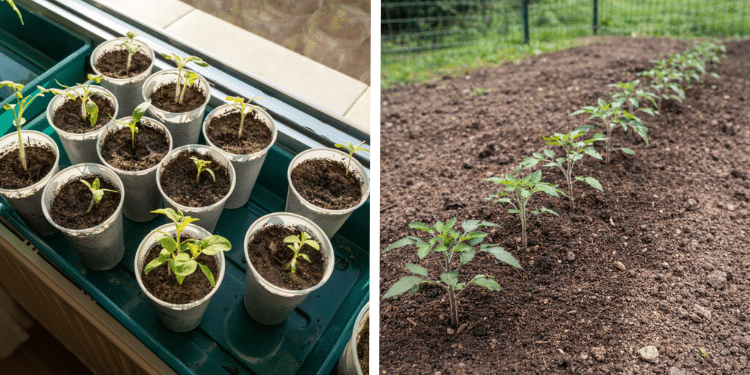
Tomatoes are one of the most popular plants to start indoors.
Because tomatoes require a long growing season, starting them early ensures strong plants ready for outdoor planting in May.
Tomato seeds usually germinate within a week when kept warm.
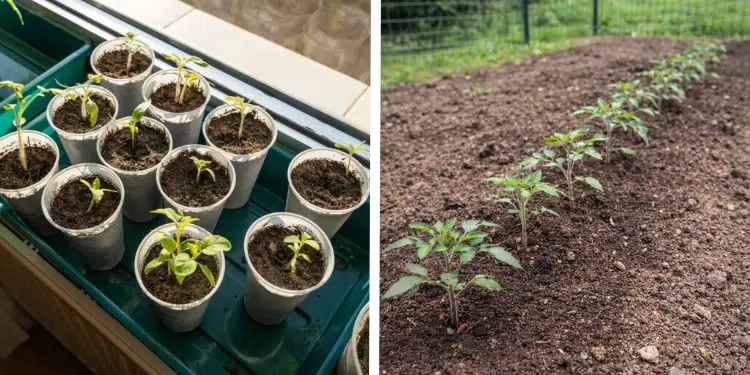
Seedlings grow quickly under bright light and should be transplanted into larger containers as they develop.
Providing strong light and consistent moisture helps produce thick, healthy stems.
2. Peppers
Peppers grow more slowly than many other vegetables, which makes early seed starting essential.
Seeds may take one to two weeks to germinate.
Warm temperatures improve germination rates, so many gardeners use seed-starting heat mats.
Pepper seedlings should receive bright light and moderate watering.
By the time May arrives, these plants will be strong enough to thrive outdoors.
3. Eggplant
Eggplants are another warm-season crop that benefits from early seed starting.
Like peppers, eggplants require warm conditions to germinate.
Starting seeds indoors several weeks before outdoor planting ensures that plants are well developed by the time warm weather arrives.
Eggplants grow best in bright light with consistent watering.
Transplanting them into larger pots as they grow encourages healthy root development.
4. Cabbage
Cabbage seedlings grow quickly and tolerate cool temperatures well.
Starting cabbage indoors allows gardeners to transplant strong seedlings into the garden in early spring.
Cabbage prefers nutrient-rich soil and consistent moisture.
Healthy seedlings develop sturdy stems and broad leaves that allow them to establish quickly once planted outdoors.
5. Broccoli
Broccoli is another cool-season crop that performs well when started indoors. Seeds germinate quickly and develop into sturdy seedlings within a few weeks.
Broccoli prefers bright light and moderate watering during the seedling stage.
Transplanting strong seedlings into the garden in spring allows the plants to mature before summer heat arrives.
6. Cauliflower
Cauliflower seedlings benefit from early indoor growth.
Starting seeds early allows plants to establish strong root systems before they are moved into the garden.
Like other brassicas, cauliflower grows best in nutrient-rich soil with consistent moisture.
Providing adequate light during the seedling stage prevents the plants from becoming tall and weak.
7. Lettuce
Lettuce grows quickly and is easy to start from seed.
Although lettuce can be planted directly in the garden, starting seeds indoors provides an early supply of seedlings ready for transplanting.
Lettuce prefers cool temperatures and moderate light. Seedlings can be transplanted outdoors as soon as the soil becomes workable.
8. Spinach
Spinach is a cool-season leafy vegetable that grows quickly from seed.
Starting spinach indoors helps gardeners produce early plants ready for spring planting.
Spinach prefers moist soil and cool temperatures. The plant grows rapidly and can be harvested multiple times throughout the season.
9. Kale
Kale is one of the most resilient leafy greens and benefits from early seed starting.
Seedlings grow quickly and tolerate cooler weather well.
Starting kale indoors allows plants to develop strong roots before being transplanted outdoors. Kale grows best in full sun and fertile soil.
10. Cucumbers
Cucumbers grow quickly but still benefit from early seed starting in some climates.
Starting seeds indoors allows plants to develop several leaves before being transplanted outdoors. Cucumbers prefer warm soil and plenty of sunlight.
Providing support structures such as trellises helps the plants grow vertically and produce abundant fruit.
11. Zucchini
Zucchini plants grow rapidly and can produce impressive harvests.
Starting seeds indoors allows gardeners to transplant strong seedlings once outdoor temperatures are warm. Zucchini prefers rich soil and full sunlight.
Because the plants grow large, providing adequate spacing is important.
12. Basil
Basil is a popular culinary herb that thrives when started early.
Seeds germinate quickly and produce fragrant leaves within weeks.
Starting basil indoors allows gardeners to transplant strong seedlings into the garden once temperatures warm.
Basil prefers warm temperatures and bright sunlight. Regular harvesting encourages the plant to produce new growth.
13. Parsley
Parsley seeds take longer to germinate than many other herbs.
Starting them early ensures that seedlings are ready for transplanting in May.
Parsley prefers moist soil and partial sunlight during early growth. Once established, parsley plants can provide fresh herbs throughout the season.
14. Marigolds
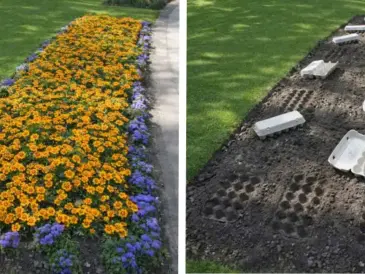
Marigolds are often started indoors because they grow quickly and help protect vegetable gardens from pests.
Seeds germinate easily and produce strong seedlings within weeks.
Planting marigolds near vegetables can help repel certain insects and attract beneficial pollinators. Their bright flowers also add beauty to garden beds.
15. Sunflowers
Sunflowers can also be started indoors for early planting.
Although they grow quickly outdoors, early starting allows gardeners to transplant sturdy seedlings once temperatures rise. Sunflowers require bright light and moderate watering.
These tall plants attract pollinators and add dramatic color to the garden.
How to Start Seeds Successfully
Starting seeds indoors is simple when a few key steps are followed.
Use clean seed trays or small pots filled with high-quality seed-starting mix.
Plant seeds at the recommended depth and water gently to keep the soil moist.
Provide bright light, either from a sunny window or grow lights.
Maintaining consistent temperatures helps seeds germinate quickly.
Once seedlings develop several leaves, they can be transplanted into larger containers until they are ready for outdoor planting.
Preparing Seedlings for Outdoor Planting
Before transplanting seedlings into the garden, they should be hardened off.
Hardening off is the process of gradually exposing indoor seedlings to outdoor conditions.
This is done by placing plants outside for a few hours each day and slowly increasing exposure over one to two weeks.
This process helps plants adjust to sunlight, wind, and temperature changes.
Proper hardening off reduces transplant shock and helps seedlings thrive in the garden.
Planning for a Successful May Garden
Starting seeds now ensures that plants will be strong and ready for transplanting by May.
Healthy seedlings establish quickly in garden beds and begin producing vegetables earlier in the season.
Combining early seed starting with proper soil preparation and consistent watering leads to a productive garden.
Gardeners who plan ahead often enjoy larger harvests and longer growing seasons.
Starting seeds early is one of the most valuable techniques for successful gardening.
By beginning the growing process weeks before outdoor planting, gardeners give their plants time to develop strong roots and sturdy stems.