Garden borders bring structure, color, and texture to outdoor spaces. They define pathways, soften hard edges, and frame lawns or patios.
However, not every gardener has the time to maintain high-maintenance flower beds that require constant watering, pruning, and fertilizing.
Fortunately, many plants naturally thrive with minimal attention. These tough, resilient species tolerate poor soil, irregular watering, and occasional neglect while still providing attractive foliage or flowers.
Plants such as Lavandula, Sedum, and Rudbeckia hirta are well known for their ability to grow vigorously without demanding constant care.
Why Choose Low-Maintenance Border Plants
Garden borders often run along fences, walkways, driveways, or property edges. Because these areas can stretch across large spaces, maintaining them can quickly become time-consuming.
Low-maintenance plants help solve this problem.
These plants often share several characteristics:
• Drought tolerance
• Strong resistance to pests and disease
• Ability to grow in average soil
• Minimal pruning needs
• Long flowering seasons
Once established, many of these plants require little more than occasional watering and seasonal trimming.
For gardeners who want a beautiful landscape without constant upkeep, choosing resilient border plants is one of the best strategies.
1. Lavender
Lavender is one of the most reliable plants for low-maintenance borders.
Its silvery foliage and fragrant purple flowers create a classic Mediterranean look that works beautifully along pathways and garden edges.
Lavender thrives in sunny locations with well-drained soil. Once established, it tolerates drought remarkably well.
The plant rarely requires fertilizer and needs only occasional pruning to maintain a compact shape.
Because of its aromatic oils, lavender also tends to resist many common garden pests. In addition to its beauty, the plant attracts pollinators such as bees and butterflies.
2. Sedum (Stonecrop)
Sedum is a succulent perennial that thrives in dry, sunny conditions.
Its thick, fleshy leaves store water, allowing it to survive long periods without rainfall.
Many sedum varieties form dense clusters that work well as border plants.
Late-season blooms appear in shades of pink, red, or yellow, providing color when many other plants have finished flowering.
Sedum requires little care beyond occasional trimming of spent stems. Because it tolerates poor soil and drought, it is ideal for gardeners who prefer a low-maintenance landscape.
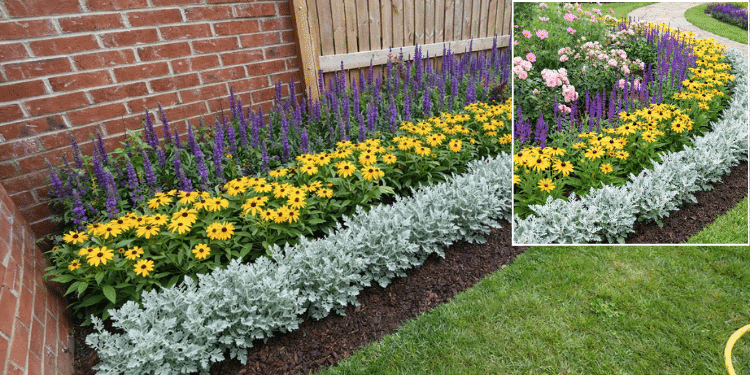
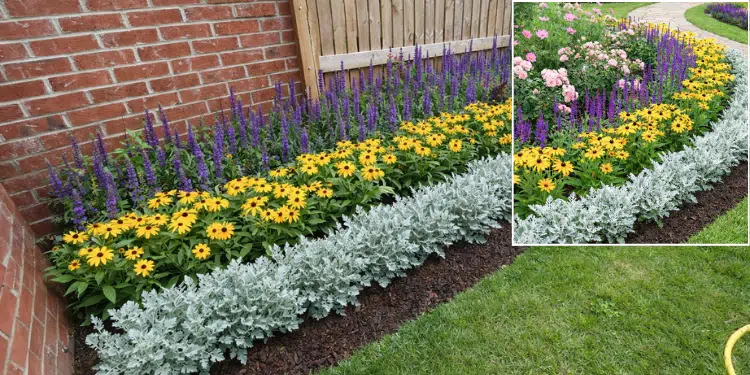
3. Black-Eyed Susan
Black-eyed Susan is a cheerful perennial known for its bright yellow petals and dark central cone.
It blooms for months during summer and early autumn, providing vibrant color along garden borders.
This plant is highly adaptable and grows well in a variety of soil conditions. Once established, it can tolerate drought and heat without difficulty.
Black-eyed Susan spreads naturally, forming dense patches that fill empty spaces in borders. Its flowers also attract bees and butterflies, making it beneficial for pollinator gardens.
4. Daylilies
Daylilies are among the easiest flowering perennials to grow.
These hardy plants produce trumpet-shaped flowers in a wide range of colors, including yellow, orange, red, and pink. Each bloom lasts only one day, but the plant produces many buds over several weeks.
Daylilies tolerate poor soil, drought, and temperature fluctuations. They rarely suffer from pests or diseases, making them ideal for gardeners seeking low-maintenance plants.
Their arching leaves also provide attractive texture in garden borders.
5. Russian Sage
Russian sage is a drought-tolerant perennial with silvery leaves and tall spikes of lavender-blue flowers.
It thrives in hot, sunny conditions and requires very little watering once established. The plant can grow quite tall, creating a soft, airy appearance along garden borders.
Its aromatic foliage helps repel some insects, while the flowers attract pollinators. Russian sage requires minimal pruning and generally grows well in poor soil.
6. Catmint
Catmint is a hardy perennial known for its soft gray foliage and clusters of purple-blue flowers.
It blooms for long periods during the growing season and can tolerate a wide range of soil conditions. Catmint is highly drought tolerant and rarely affected by pests.
The plant forms compact mounds that look beautiful along pathways or borders. A light trimming after the first bloom often encourages a second wave of flowers.
7. Coneflower
Coneflowers are durable perennials that thrive in sunny locations.
Their distinctive daisy-like flowers appear in shades of purple, pink, white, and orange. Coneflowers tolerate drought and poor soil conditions once established.
They require little care beyond occasional deadheading to prolong blooming. These plants are also known for attracting butterflies and birds.
Their seed heads often remain attractive even after the flowers fade.
8. Yarrow
Yarrow is a resilient perennial with feathery foliage and clusters of small flowers. It grows well in dry soil and full sunlight.
Once established, yarrow requires very little watering.
Its flowers appear in shades of yellow, white, pink, or red and last throughout the summer. Because of its strong root system, yarrow can tolerate harsh conditions that would challenge many other plants.
9. Ornamental Grasses
Ornamental grasses provide texture and movement in garden borders. Many varieties thrive with minimal care.
These grasses tolerate drought, poor soil, and extreme temperatures.
Their graceful leaves and seed heads create visual interest throughout the year.
In early spring, the dried foliage can be trimmed to allow fresh growth to emerge. After that, the plants require little attention.
10. Coreopsis
Coreopsis is a bright and cheerful flowering plant that produces yellow or orange blooms for months.
It thrives in sunny areas and tolerates poor soil conditions.
Coreopsis is known for its long blooming period and ability to attract pollinators.
Once established, the plant requires little watering and minimal maintenance. Deadheading spent flowers may encourage additional blooms.
11. Lamb’s Ear
Lamb’s ear is a unique plant with soft, fuzzy leaves that resemble the ears of a lamb.
Its silvery foliage creates a striking contrast with green plants in garden borders. Lamb’s ear thrives in dry soil and sunny conditions.
It rarely requires watering and spreads easily, forming dense ground cover. The plant’s texture adds visual interest even when it is not flowering.
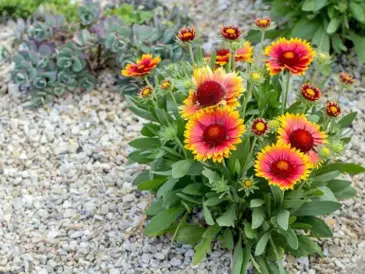
12. Blanket Flower
Blanket flower produces bright red, orange, and yellow blooms that resemble miniature sunsets.
It thrives in hot, dry climates and poor soil. Once established, the plant requires little watering.
Blanket flowers bloom throughout summer and attract pollinators such as bees and butterflies.
Removing spent flowers can encourage additional blooms, but the plant will continue growing even without frequent maintenance.
13. Thyme
Thyme is a low-growing herb that works well along the edges of garden borders.
Its small leaves release a pleasant aroma when brushed against. Thyme thrives in sunny locations with well-drained soil.
It tolerates drought and requires very little watering. In addition to its culinary uses, thyme produces tiny flowers that attract pollinators.
Because it grows close to the ground, it can also help suppress weeds.
Tips for Creating a Low-Maintenance Border
Choosing resilient plants is only one part of building an easy-care garden border.
A few additional strategies can make maintenance even simpler.
Mulching the soil helps retain moisture and reduce weed growth. Grouping plants with similar water needs prevents overwatering or underwatering.
Selecting native or climate-adapted plants ensures they grow well in local conditions.
These techniques help plants thrive even with minimal care.
The Benefits of a Resilient Garden Design
Low-maintenance borders offer several advantages.
- They reduce the time required for gardening tasks such as watering, fertilizing, and pruning.
- They also conserve water, especially when drought-tolerant plants are used.
- Many resilient plants attract pollinators and support local ecosystems.
- Perhaps most importantly, these plants allow gardeners to enjoy beautiful landscapes without constant work.
Creating a garden border does not have to involve endless maintenance. These plants tolerate drought, resist pests, and provide long-lasting beauty with minimal care.