If you’re looking for a creative, low-maintenance way to upgrade your backyard, a rain garden is one of the smartest solutions you can build.
Not only does it add beauty and structure to your landscape, but it also serves a real purpose – managing water naturally.
Instead of letting rainwater run off your yard, a rain garden collects it, filters it, and allows it to slowly soak back into the ground.
This helps:
- Reduce pooling and muddy areas
- Prevent soil erosion
- Support beneficial insects and pollinators
- Create a more sustainable garden ecosystem
And the best part? You can design it using a mix of native and adaptable plants that thrive in both wet and dry conditions.
What Is a Rain Garden (And Why It Works)
A rain garden is a shallow, planted depression designed to capture rainwater from:
- Roofs
- Driveways
- Lawns
Instead of water flowing away quickly, it is absorbed slowly into the soil, giving plants time to use it and preventing runoff.
This creates a mini ecosystem where plants:
- Filter impurities from water
- Stabilize soil
- Improve drainage naturally
Native plants are often the best choice because they are adapted to local conditions and tend to require less care. However, many non-native plants can also thrive if chosen carefully.
12 Plants That Thrive in Rain Gardens
These plants are not only beautiful but also well-suited for the changing moisture conditions found in rain gardens.
1. Bluestar (Amsonia)
Bluestar is a graceful perennial known for its soft, star-shaped blue flowers that appear in late spring.
It thrives in zones 3–9 and typically grows about 2 feet tall, forming a neat, bushy shape.
What makes it perfect for rain gardens is its adaptability. It tolerates both moist and moderately dry conditions once established, and its fine-textured foliage adds elegance to any planting design.
In fall, the leaves turn a warm golden color, extending seasonal interest beyond the blooming period.
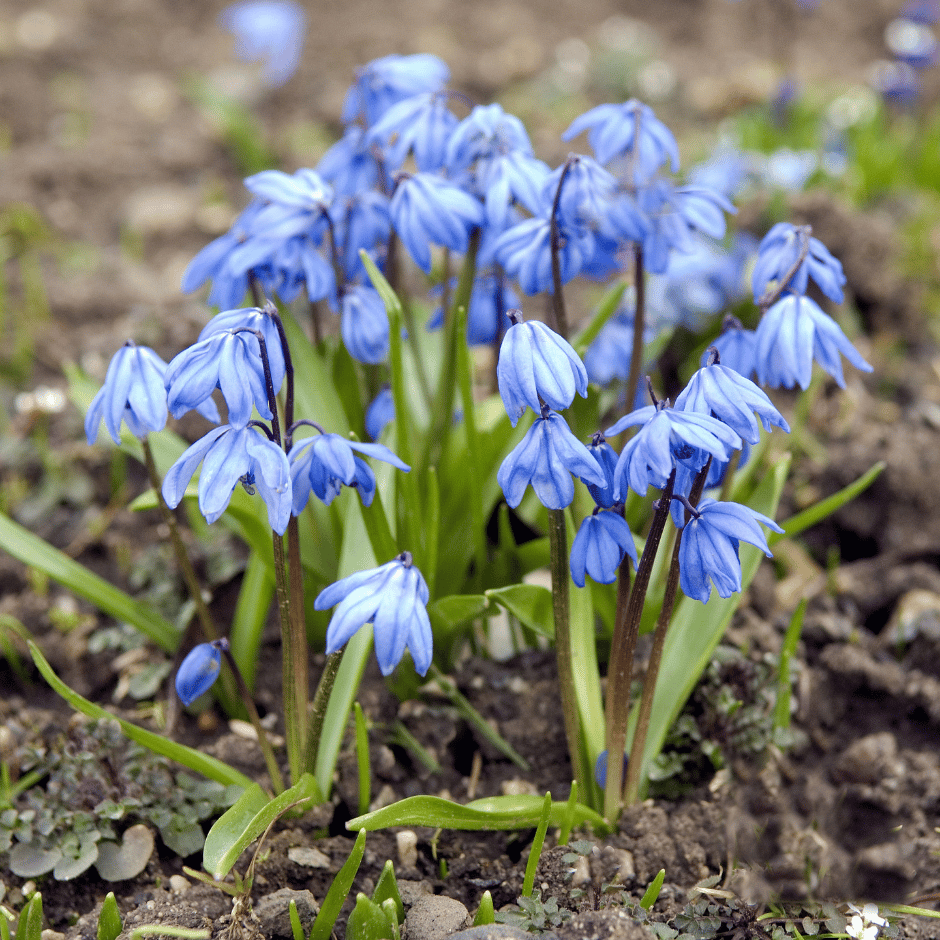
Bluestar flowers are lovely plants that grow well in zones 3 to 9. They produce soft blue star shapes throughout the late spring and early summer, growing up 2 feet tall with stems about as wide at only 1 foot thick.
These sun-loving beauties make a great addition to any rain garden!
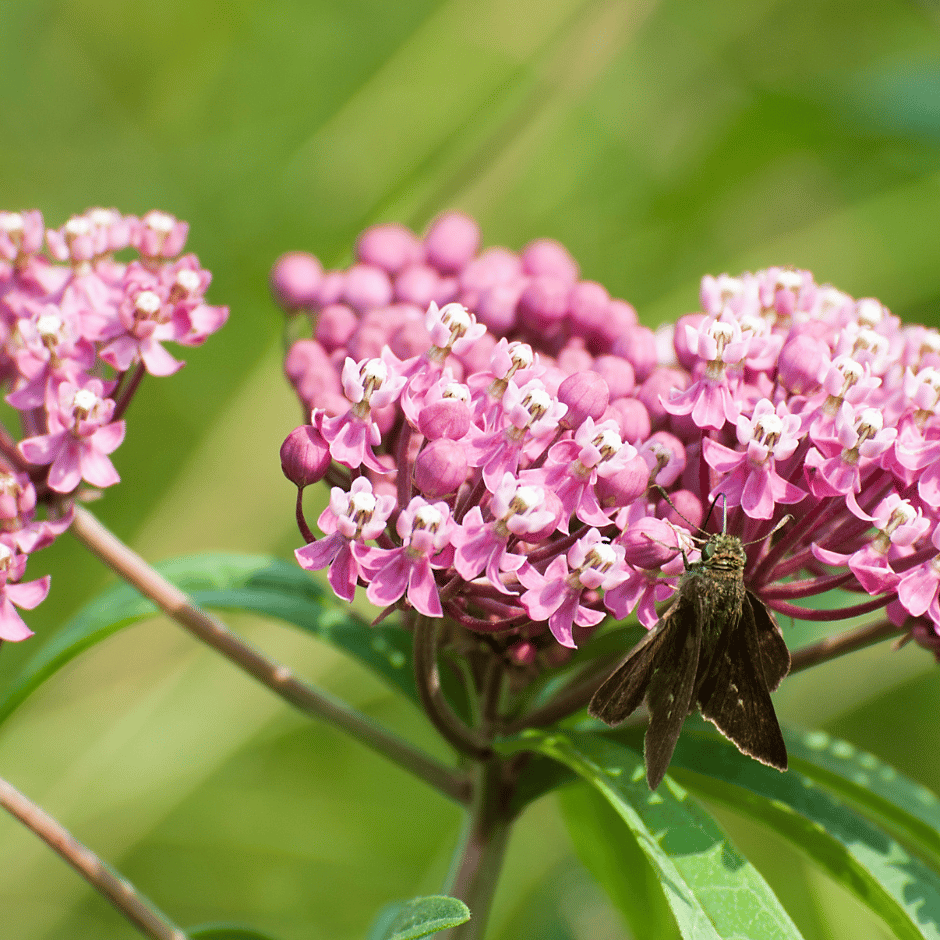
2. Swamp Milkweed (Asclepias incarnata)
Swamp milkweed is a must-have for both beauty and biodiversity.
Growing best in zones 3–6, it produces clusters of pink to mauve flowers that attract butterflies – especially monarchs.
It thrives in consistently moist soil, making it ideal for the lower, wetter areas of a rain garden.
Its narrow, lance-shaped leaves and upright growth habit add structure, while its ecological value makes it one of the most beneficial plants you can include.
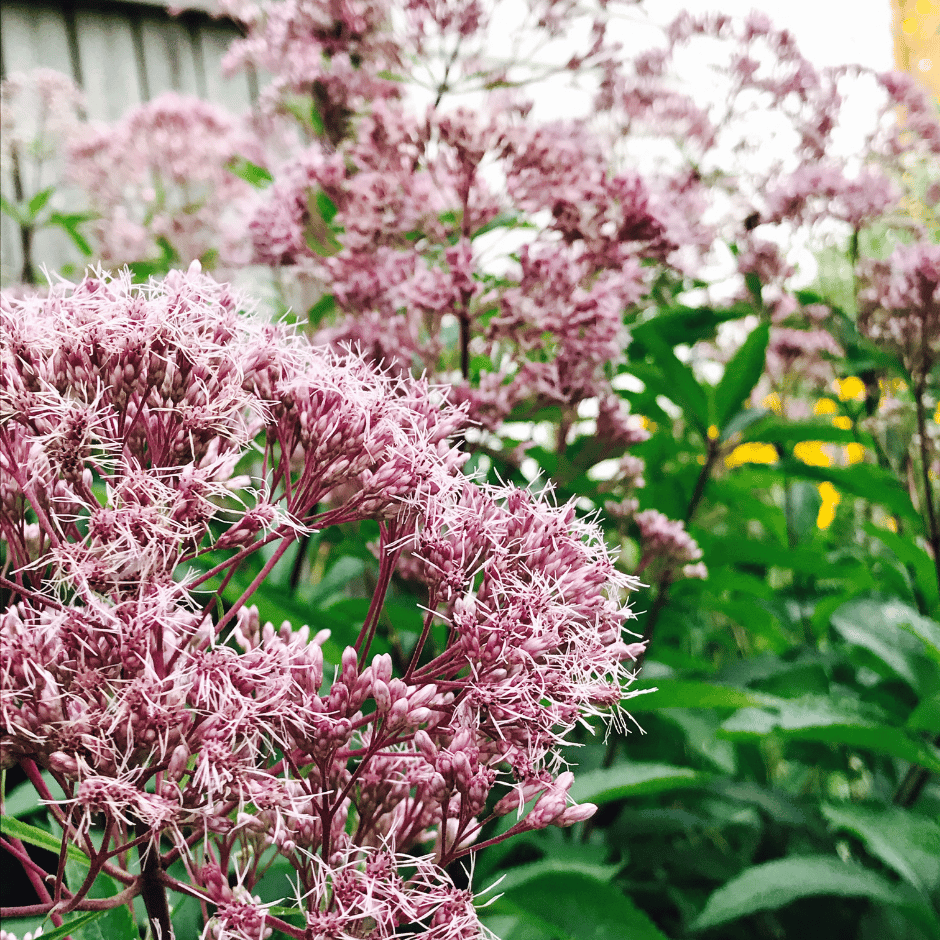
3. Joe Pye Weed (Eutrochium purpureum)
Joe Pye weed is a tall, eye-catching perennial that can reach impressive heights, often 4–6 feet.
It produces clusters of soft purple flowers in late summer and early fall, which attract pollinators in large numbers.
This plant is incredibly versatile. It grows well in full sun but can also tolerate partial shade, making it suitable for different parts of your rain garden.
Even after blooming, its seed heads remain decorative through winter, adding visual interest.
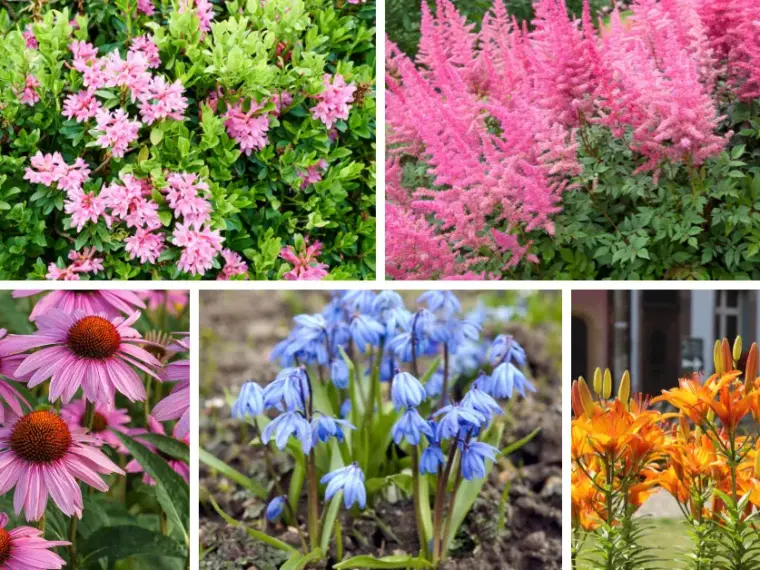
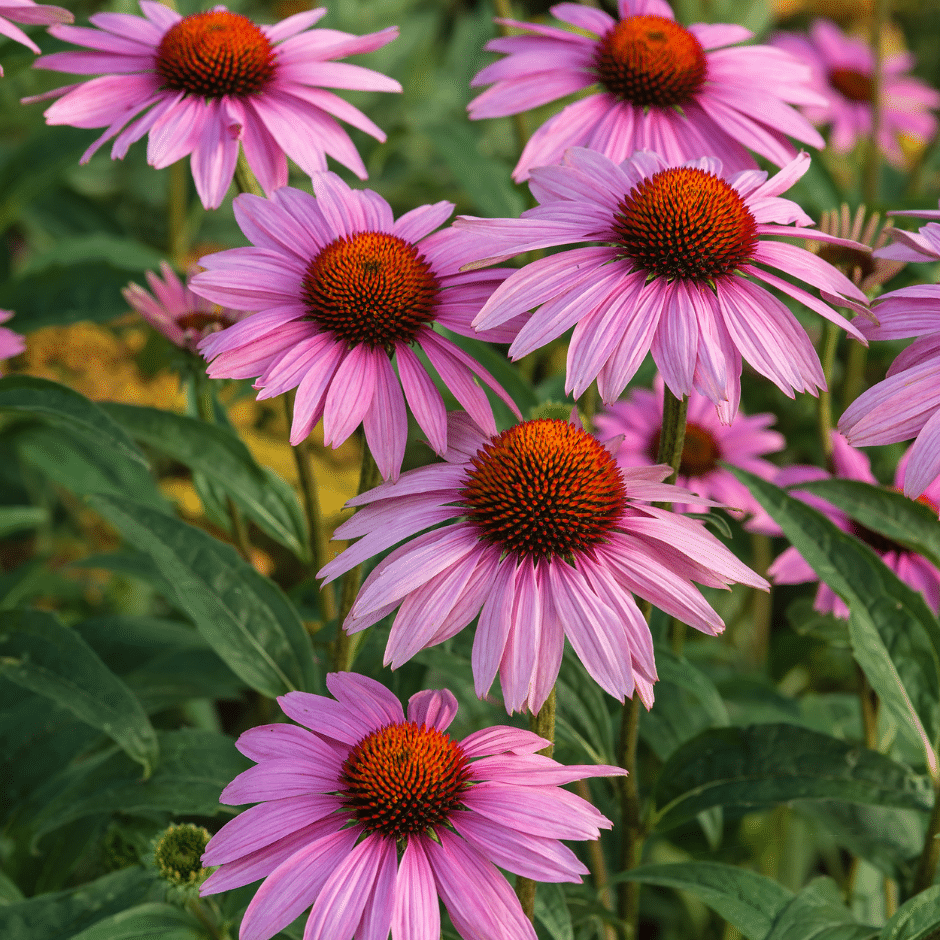
4. Coneflower (Echinacea purpurea)
Coneflowers are one of the most popular perennials for good reason.
They grow in zones 5–8 and produce large, daisy-like blooms with prominent centers. While purple is the classic color, you’ll find varieties in white, yellow, and even orange.
They tolerate a wide range of soil conditions, including the fluctuating moisture levels of rain gardens.
Beyond their beauty, coneflowers are drought-tolerant once established and attract bees, butterflies, and birds.
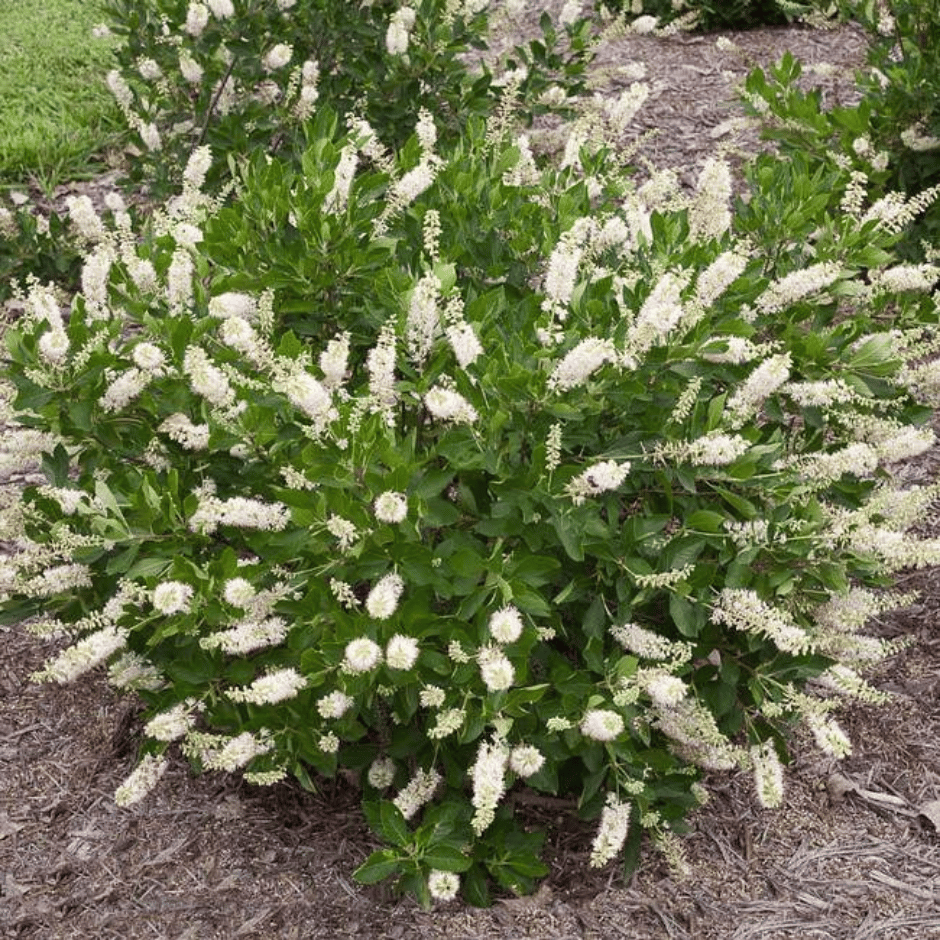
5. Summersweet (Clethra alnifolia ‘Hummingbird’)
Summersweet is a compact flowering shrub that thrives in zones 5–9.
It produces fragrant, bottlebrush-like flower spikes that bloom in mid to late summer, attracting pollinators with their sweet scent.
Growing up to 3–4 feet tall, it fits well into smaller rain gardens or as a mid-layer plant.
In autumn, its foliage turns warm shades of yellow and orange, adding seasonal color.
6. Lady Fern (Athyrium filix-femina)
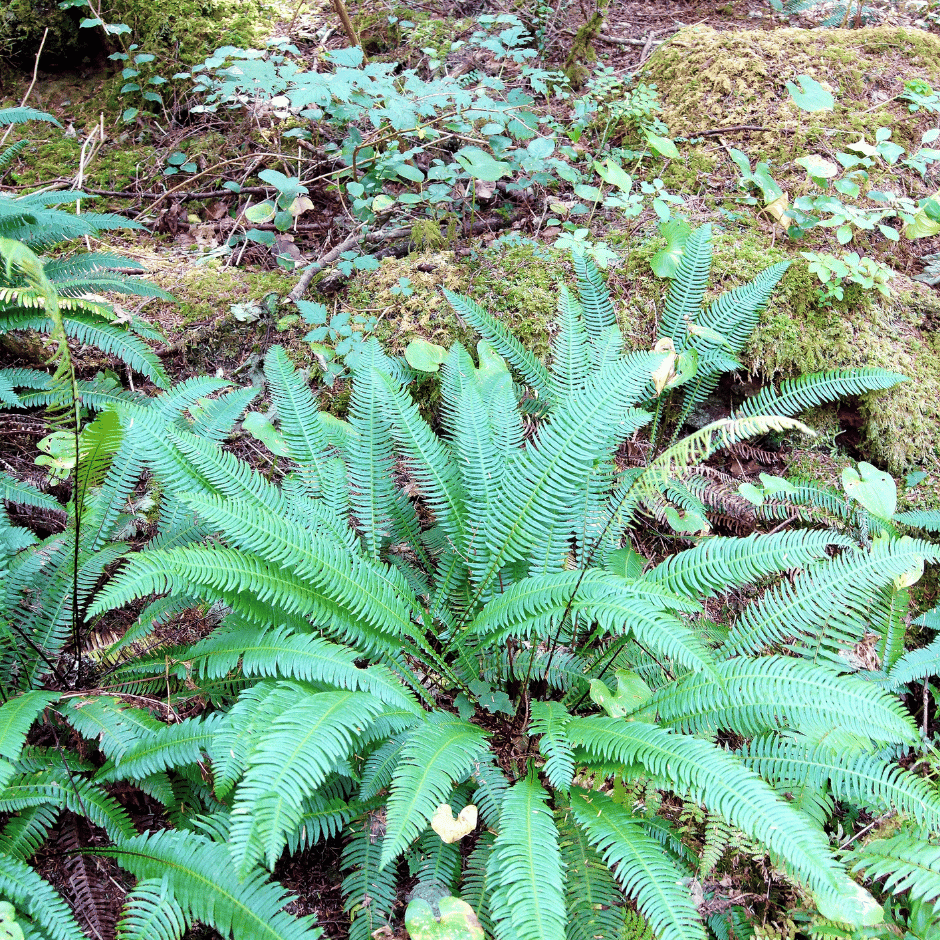
For shaded rain gardens, lady ferns are an excellent choice.
They grow up to 3 feet tall and feature finely divided, delicate fronds that create a soft, textured look.
Lady ferns thrive in moist, shaded conditions and help stabilize soil while filling in empty spaces.
They’re especially useful for adding greenery where flowering plants may struggle.
7. Astilbe
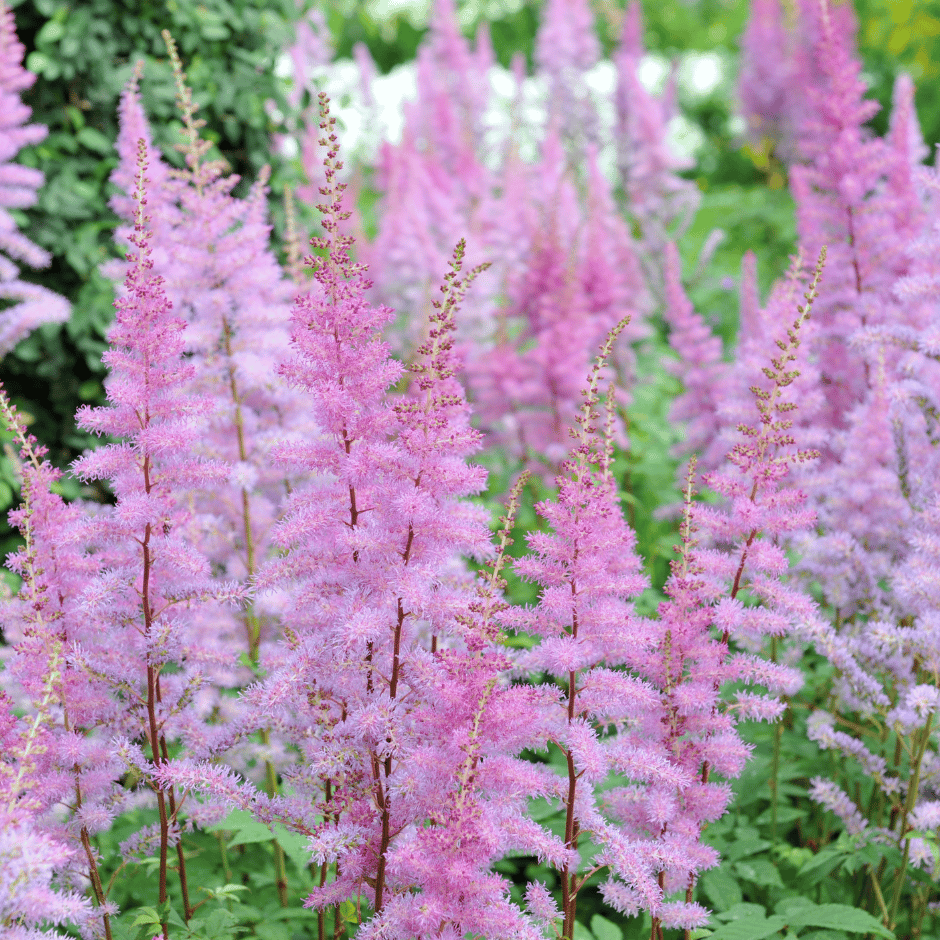
Astilbe is known for its feathery, plume-like flowers that rise above lush foliage.
It grows well in zones 4–8 and prefers partial shade and moist soil – perfect conditions for many rain gardens.
Available in shades of pink, red, white, and purple, astilbe adds vertical interest and color.
Its foliage also remains attractive throughout the growing season.
8. Daylilies (Hemerocallis)
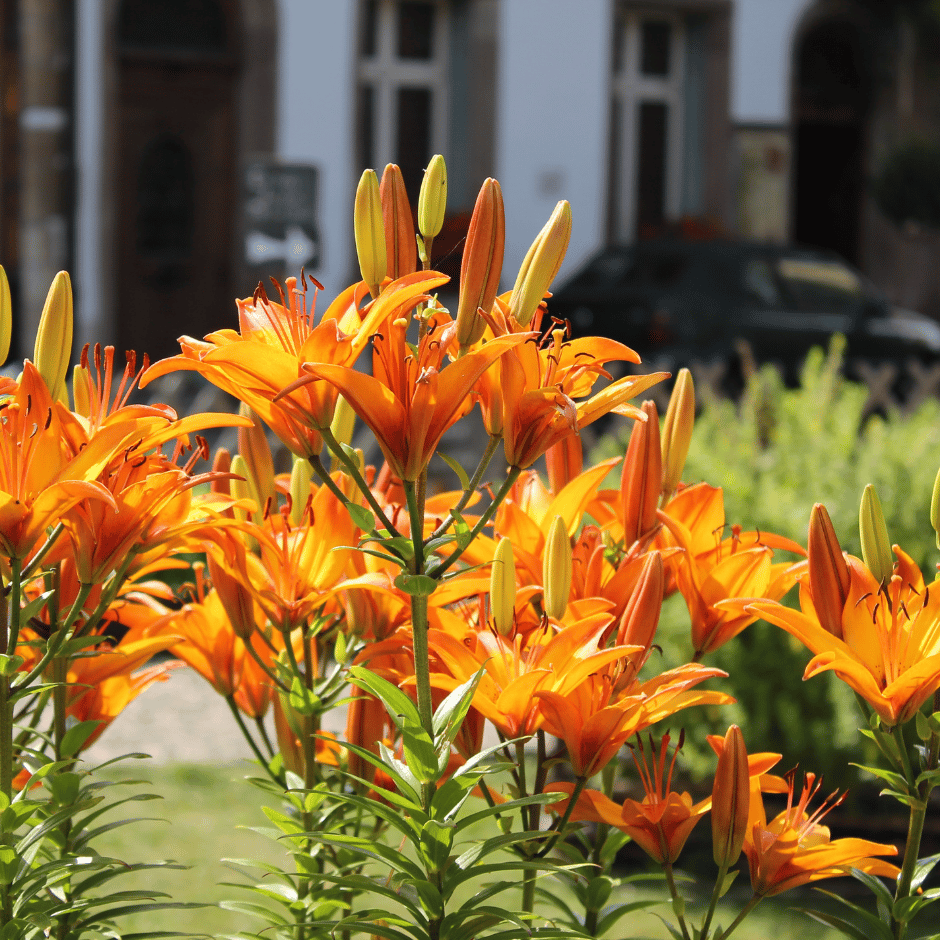
Daylilies are incredibly adaptable and easy to grow.
While each flower lasts only a single day, plants produce many blooms over time, ensuring continuous color.
With thousands of varieties available, you can choose from a wide range of colors and sizes.
They tolerate various soil conditions, making them a reliable addition to rain gardens, especially in transitional zones between wet and dry areas.
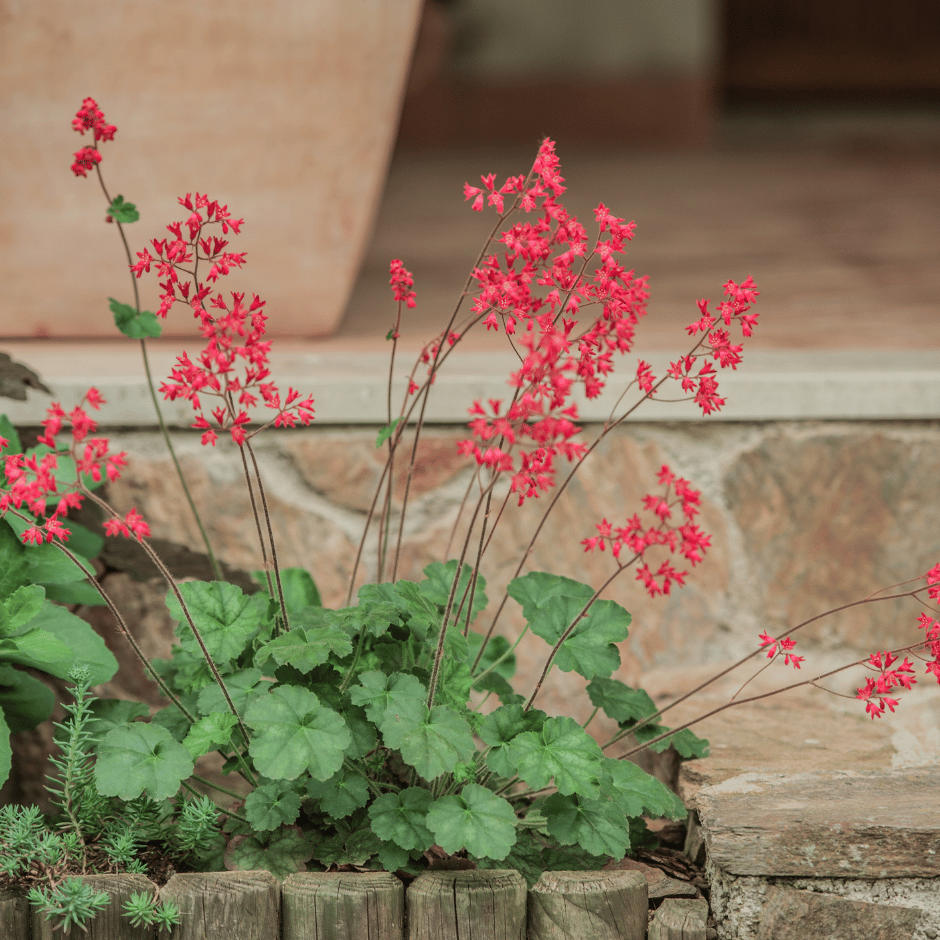
9. Coral Bells (Heuchera sanguinea)
Coral bells are prized for both their foliage and flowers.
Growing in zones 3–8, they form compact mounds of leaves with delicate, bell-shaped flowers rising above.
Their leaves come in shades of green, bronze, and even deep purple, adding visual contrast.
They perform well in partial shade and can handle varying moisture levels when soil is well-drained.
10. Foamflower (Tiarella cordifolia)
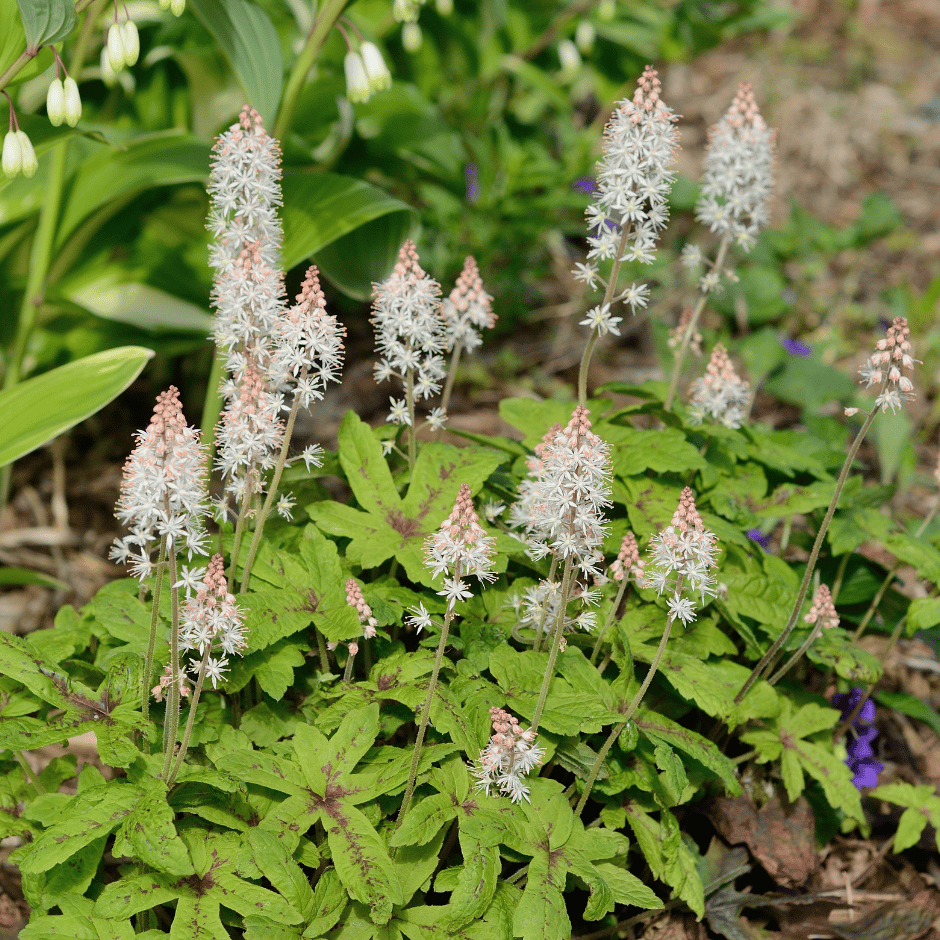
Foamflower is a shade-loving perennial that produces airy clusters of tiny white flowers in spring.
Its name comes from the frothy appearance of its blooms.
The foliage is equally attractive, often changing color throughout the seasons.
This plant spreads gently, making it ideal for ground cover in shaded rain garden areas.
11. Cardinal Flower (Lobelia cardinalis)
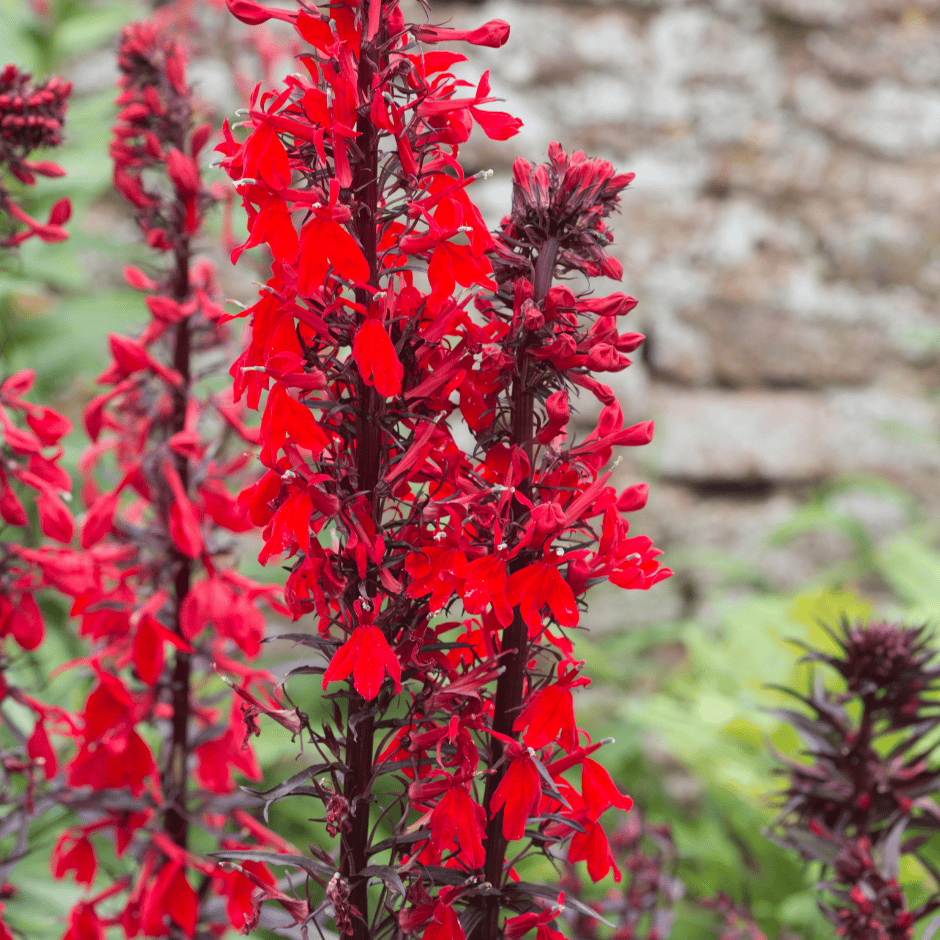
Few plants offer the striking color of cardinal flower.
Growing in zones 4–9, it produces tall spikes of bright red blooms that stand out in any garden.
It thrives in moist soil and can tolerate both full sun and partial shade.
This plant is especially attractive to hummingbirds, making it a lively addition to your garden.
12. Rhododendron canadense (Deciduous Azalea)
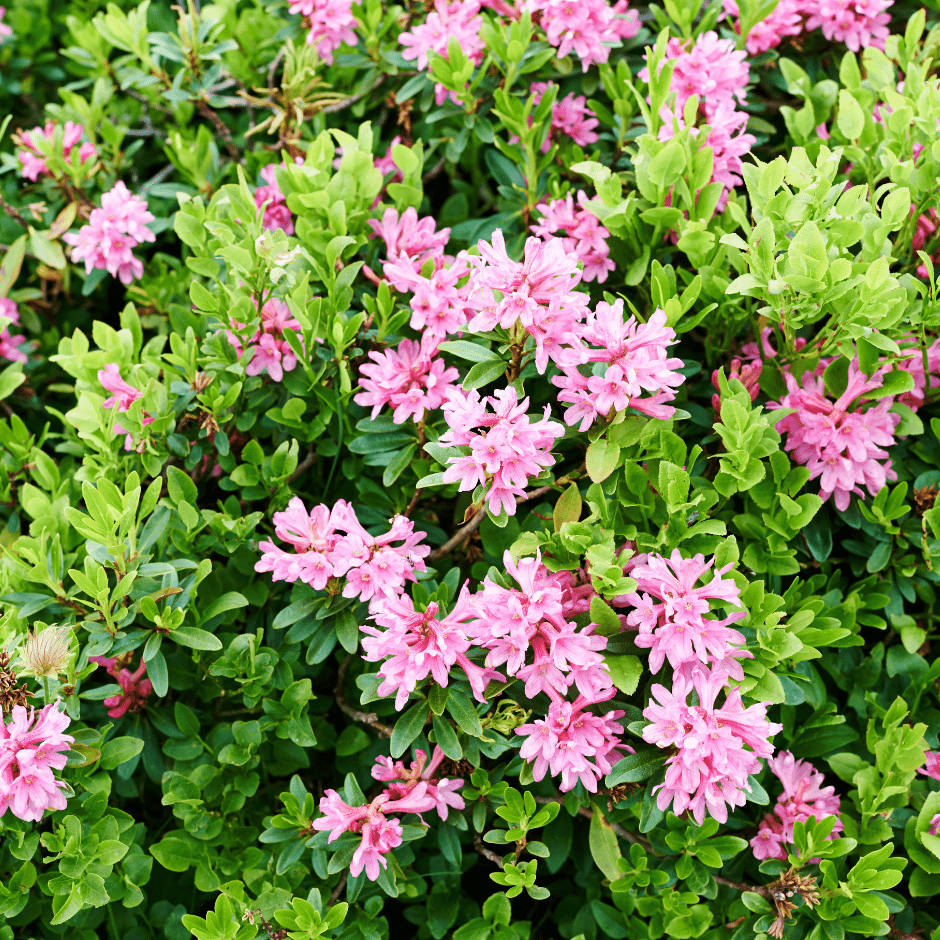
This native azalea brings elegance and seasonal beauty to rain gardens.
It blooms in mid to late spring with soft purplish-pink flowers accented by yellow markings.
Growing in zones 4–8, it prefers moist, well-drained soil and partial shade.
Unlike evergreen varieties, it sheds its leaves in winter, then returns with fresh growth in spring.
Designing Your Rain Garden for Success
To get the most out of your rain garden, placement matters.
- Plant moisture-loving species in the lowest areas
- Use adaptable plants in the middle zones
- Place drought-tolerant plants along the edges
This layered approach ensures every plant thrives in the conditions best suited to it.
A rain garden is more than just a landscaping feature – it’s a functional, sustainable solution that transforms how your yard handles water.