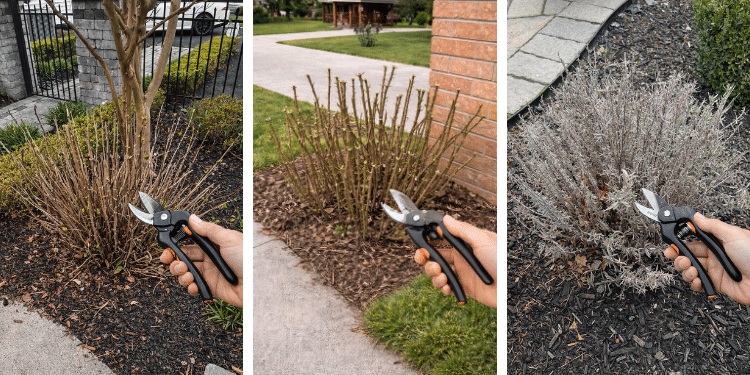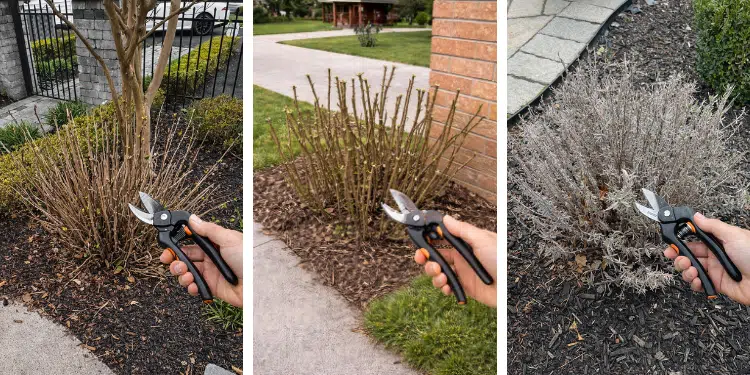
Pruning is one of the most important tasks in seasonal gardening. Done at the right time, pruning encourages stronger growth, improves airflow, reduces disease, and promotes better flowering and fruit production.
However, timing is critical. Many plants benefit from pruning before late spring growth begins, which is why gardeners often aim to finish key pruning tasks before the end of April.
Early spring pruning allows plants to focus their energy on healthy new growth rather than maintaining dead or overcrowded branches.
Removing damaged stems, shaping plants, and thinning crowded areas can dramatically improve plant health throughout the growing season.
Plants such as Hydrangea, Rosa, and Lavandula are just a few examples that often benefit from pruning before late spring.
Why Early Spring Pruning Matters
Plants enter dormancy during winter, slowing their growth to conserve energy. As temperatures warm and daylight increases, they begin preparing for rapid growth.
Pruning before this growth phase provides several advantages.
First, it removes dead or diseased branches that could weaken the plant. Second, it encourages better air circulation, reducing the risk of fungal diseases.
Third, pruning shapes the plant, allowing sunlight to reach inner branches and promoting balanced growth.
Finally, early pruning stimulates the plant to produce strong new shoots, which often leads to larger flowers or more productive fruit.
1. Roses
Roses are one of the most commonly pruned plants in spring. Many rose varieties benefit from pruning just as new growth begins to appear.
Pruning roses before April ends helps remove winter-damaged stems and encourages new flowering shoots.
Start by cutting away dead, weak, or diseased branches. Then shape the plant by shortening strong stems to an outward-facing bud. This encourages new branches to grow outward rather than crowding the center.
Proper pruning improves airflow through the plant and encourages larger blooms.
2. Hydrangeas
Hydrangea pruning depends on the variety, but many types benefit from light pruning in early spring.
Removing dead wood allows the plant to focus its energy on healthy stems.
For varieties that bloom on new wood, pruning before April ends encourages strong new growth and larger flower clusters later in summer.
Gardeners should identify their hydrangea type before pruning to avoid removing developing flower buds.
3. Lavender
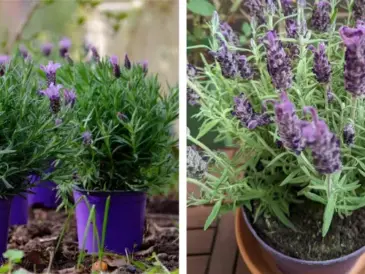
Lavender plants benefit from early spring pruning to maintain a compact shape and encourage bushier growth.
During winter, lavender stems can become woody and uneven. Trimming the plant before April helps stimulate fresh growth from the base.
When pruning lavender, avoid cutting into old woody stems, as these areas may not produce new growth.
Instead, trim just above the green growth to encourage branching and fuller plants.
4. Butterfly Bush
Butterfly bushes are fast-growing shrubs that respond well to early pruning.
These plants bloom on new wood, meaning flowers develop on the current season’s growth.
Cutting back the plant before April ends encourages vigorous new stems that produce larger flower clusters.
Pruning also helps maintain a manageable size and prevents the shrub from becoming overly woody.
5. Clematis (Late-Flowering Varieties)
Some clematis varieties bloom on new growth and benefit from early spring pruning.
Removing older stems allows sunlight to reach the base of the plant and encourages fresh shoots.
Cutting these varieties back before April helps produce stronger flowering vines later in the season.
However, early-flowering clematis types should be pruned only after flowering.
6. Fruit Trees
Fruit trees such as apple, pear, and plum trees should usually be pruned in late winter or early spring before active growth begins.
Pruning fruit trees improves fruit production by allowing sunlight to reach developing branches.
Remove crossing branches, weak shoots, and damaged limbs. Thinning the canopy improves airflow and reduces disease risk.
Proper pruning encourages healthier blossoms and higher fruit yields.
7. Blueberry Bushes
Blueberry bushes benefit from early-season pruning to maintain productivity.
Older branches often produce fewer berries, so removing them encourages the growth of younger, more productive stems.
Pruning before April ends allows the plant to direct energy toward new fruit-bearing branches.
This also improves sunlight penetration and airflow within the bush.
8. Spirea
Spirea shrubs are popular ornamental plants that bloom on new growth.
Pruning these shrubs before April helps encourage dense foliage and abundant flowers.
Cutting back older stems stimulates fresh shoots and maintains the plant’s compact shape.
Many gardeners prune spirea fairly aggressively because the plant responds with vigorous new growth.
9. Dogwood
Dogwood shrubs and trees benefit from selective pruning in early spring.
Removing dead or crowded branches improves airflow and reduces disease risk.
Light pruning before April ends helps maintain the tree’s shape while preserving its natural beauty.
However, heavy pruning should be avoided because dogwoods can be sensitive to excessive cutting.
10. Ornamental Grasses
Many ornamental grasses should be trimmed before new shoots begin emerging in spring.
Cutting back last year’s dry foliage allows sunlight and air to reach the base of the plant.
This encourages fresh, vibrant growth as temperatures warm.
Gardeners typically cut ornamental grasses down to about 10–15 centimeters above the ground.
11. Sage and Other Woody Herbs
Woody herbs such as sage benefit from early spring pruning.
These plants can become woody and sparse over time if not trimmed regularly.
Pruning before April encourages new leafy shoots and prevents the plant from becoming leggy.
Removing older stems helps maintain a compact shape and encourages stronger herb production.
12. Hydrangea Paniculata
Panicle hydrangeas are particularly responsive to early pruning.
These varieties bloom on new wood, meaning pruning before April actually encourages larger flower heads.
Cutting back stems by about one-third helps the plant produce strong flowering shoots later in summer.
Panicle hydrangeas are among the most forgiving shrubs when it comes to pruning.
Essential Pruning Tips for Healthy Plants
Although pruning techniques vary by plant, several general principles apply to most species.
Always use sharp, clean pruning tools to prevent tearing stems and spreading disease.
Make cuts just above healthy buds or branching points.
Avoid removing more than one-third of a plant’s total growth at one time unless the species tolerates heavy pruning.
Proper pruning encourages strong growth without stressing the plant.
Signs That a Plant Needs Pruning
Several signs indicate that a plant would benefit from pruning.
Dead or brittle branches should always be removed.
Crowded growth that blocks sunlight can reduce plant vigor.
Crossing branches may rub against each other, causing wounds that allow disease to enter.
Removing these problem areas improves plant health and encourages stronger growth.
Common Pruning Mistakes to Avoid
Many gardeners accidentally harm plants by pruning incorrectly.
One common mistake is pruning at the wrong time. Some plants bloom on old wood, so pruning them too early may remove flower buds.
Another mistake is using dull tools that crush stems rather than making clean cuts.
Over-pruning can also stress plants and reduce flowering.
Understanding each plant’s growth habits helps avoid these problems.
Benefits of Proper Pruning
When done correctly, pruning offers several important benefits.
Plants become stronger and more resilient.
Air circulation improves, reducing the risk of fungal diseases.
Sunlight reaches deeper into the plant, encouraging healthy foliage and blossoms.
For fruit trees and berry bushes, proper pruning often leads to higher yields and better-quality fruit.
Pruning is one of the most powerful tools gardeners have for maintaining healthy plants. Completing essential pruning tasks before April ends allows plants to enter the growing season in their best condition.