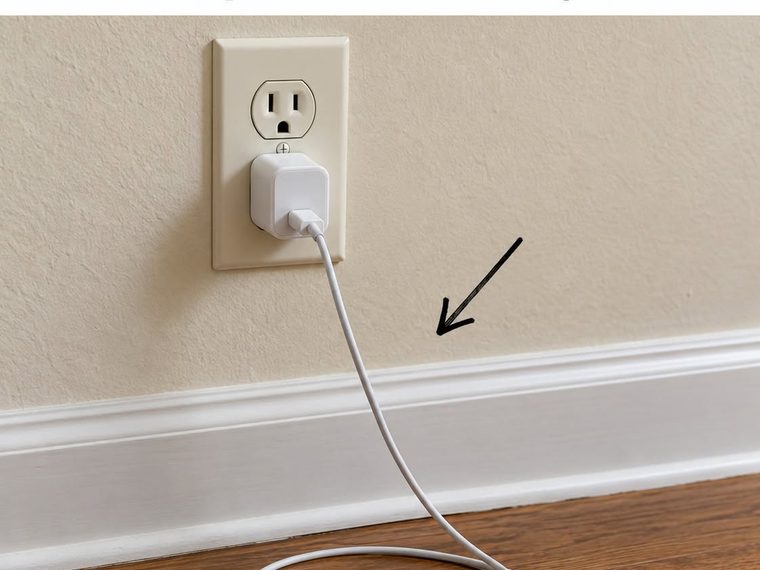
🔌 6 Reasons You Should Unplug Your Phone Charger When You’re Not Using It!
Many people have a habit of leaving their phone chargers plugged into wall outlets all day, even after disconnecting their phones. It seems harmless and convenient, but is it really a good idea?
Although modern phone chargers are generally designed to remain plugged in safely, leaving them connected unnecessarily can have a few disadvantages, especially when using damaged, poor-quality, or counterfeit chargers.
From unnecessary electricity consumption to potential electrical hazards, here are six important things every household should know.
1. It Continues to Consume a Small Amount of Electricity
Did you know that a phone charger can use electricity even when your phone isn’t connected?
This is known as standby power or vampire energy.
Modern chargers are much more energy-efficient than older models, so the amount of electricity consumed is usually very small. However, when several chargers and electronic devices remain plugged in throughout the house, their combined consumption can add up over time.
Tip: Unplug chargers and other unnecessary electrical devices when they’re not being used.
2. Faulty Chargers Can Become a Fire Hazard
One of the most important reasons to pay attention to your chargers is electrical safety.
A properly manufactured and undamaged charger is generally safe when left plugged in. However, damaged cables, defective adapters, loose electrical connections, and counterfeit products can increase the risk of overheating and electrical fires.
Watch out for:
- Burn marks around the adapter.
- Cracked or damaged charger housings.
- Exposed electrical wires.
- Unusual buzzing sounds.
- Excessive heat or burning smells.
If you notice any of these warning signs, stop using the charger and replace it.
3. Power Surges Can Damage Electrical Equipment
Electrical surges can occur during storms, power-grid disturbances, or certain electrical faults.
Although many modern chargers include built-in protection, not every inexpensive or poorly manufactured adapter offers the same level of protection.
A severe electrical surge may damage the charger or connected equipment.
Tip: Use certified chargers and appropriate surge protection where recommended. Unplugging an unnecessary charger during severe electrical storms can provide an additional precaution.
4. Poor-Quality Chargers Can Overheat
Not all phone chargers are manufactured to the same safety standards.
Cheap, counterfeit, or uncertified adapters may contain inferior components and inadequate protection against electrical faults.
These products can overheat even when they aren’t charging a phone.
Always choose a charger from a reputable manufacturer and check that it meets the electrical safety requirements in your country.
5. Damaged Cables Can Create Hidden Risks
Sometimes the problem isn’t the adapter itself but the charging cable.
A cable that has been bent repeatedly, crushed under furniture, or damaged near its connector may develop exposed wires or internal faults.
Leaving a damaged cable connected to an electrical outlet is an unnecessary risk.
Tip: Inspect your charging cables regularly and replace any that show signs of damage. Never attempt to repair exposed electrical wiring with ordinary adhesive tape.
6. Unplugging Chargers Helps Keep Your Home Organized
Leaving chargers plugged into every available outlet can create unnecessary clutter.
Cables hanging from walls, adapters occupying multiple sockets, and tangled charging wires can make your home less organized.
Unplugging chargers when they’re not needed helps keep electrical outlets accessible and reduces unnecessary cable clutter.
It is especially useful in homes with children or pets, where loose cables and accessible electrical accessories should be managed carefully.
⚠️ Important Safety Tips Everyone Should Know
To protect your home and electronic devices, follow these simple precautions:
- Buy chargers from reputable manufacturers.
- Avoid counterfeit and uncertified charging adapters.
- Never use chargers with damaged cables or cracked housings.
- Keep chargers away from water and excessive heat.
- Avoid covering chargers while they are operating.
- Don’t overload electrical outlets or extension cords.
- Stop using any adapter that smells burnt or becomes unusually hot.
- Keep chargers and cables away from young children.
🌟 Final Thoughts
Leaving a phone charger plugged into the wall without a phone connected doesn’t automatically mean you’re putting your home in danger.
Modern, properly manufactured chargers generally consume very little standby electricity and are designed with safety protections.
However, unplugging chargers when they aren’t needed is a simple habit that can reduce unnecessary energy consumption, limit exposure to faulty electrical equipment, and keep your home more organized.
The best rule? Use good-quality chargers, inspect them regularly, and never ignore signs of electrical damage. A little attention can make a big difference in household safety!