Glass stovetops have become increasingly popular in modern kitchens, offering a sleek and contemporary look. However, maintaining their pristine appearance can be a challenge. Many homeowners find themselves struggling with unsightly stains and scratches that detract from the beauty of their glass stovetop.
Cleaning a glass stovetop requires more than just a quick wipe down. Without the proper techniques and materials, you risk damaging the surface. In this article, we’ll outline the most common mistakes people make when cleaning their glass stovetops and provide you with a step-by-step guide to ensure your stovetop remains spotless and scratch-free.
1. Understanding the Delicate Nature of Glass Stovetops
Glass stovetops are constructed from a blend of glass and ceramic, creating a durable yet delicate surface. This material is chosen for its ability to withstand high temperatures while providing a smooth and easy-to-clean finish. However, its glossy surface can be prone to scratches and stains if not cared for properly.
Understanding the nature of this material is the first step in proper maintenance. The surface can be easily scratched by abrasive materials, and certain cleaning agents can cause discoloration or cloudiness. It’s crucial to use the right products and techniques to keep your stovetop looking new.
2. The Mistake of Using Steel Wool
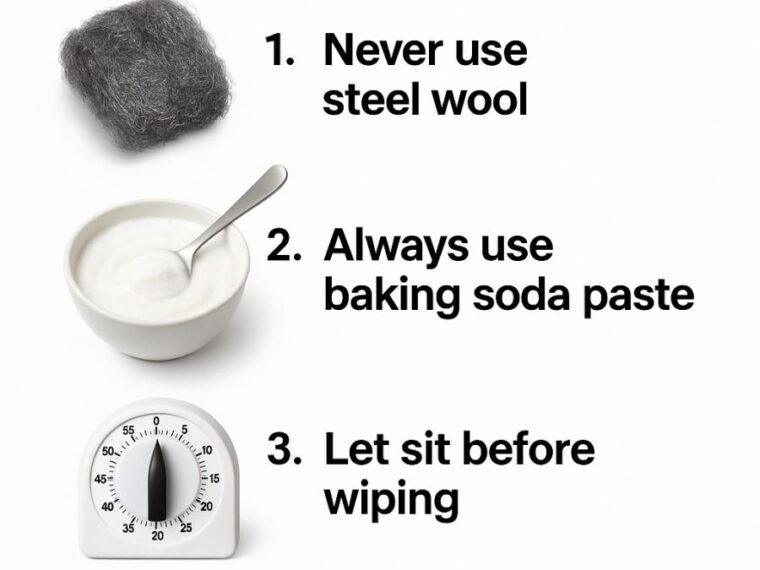
One of the most common mistakes people make is using steel wool or other abrasive scrubbing pads on their glass stovetops. While these tools are effective at removing tough grime from other surfaces, they can cause irreparable damage to glass.
Steel wool can leave deep scratches on the surface, which not only mar the appearance of your stovetop but also create areas where dirt and grease can accumulate. Instead, opt for non-abrasive sponges or cloths that effectively clean without causing damage.
3. Preparing the Surface for Cleaning
Before you start cleaning, ensure that your stovetop is completely cool. Attempting to clean a hot surface can lead to burns and can also cause cleaning solutions to evaporate before they have a chance to work.
Begin by removing any loose debris or crumbs with a gentle sweep of a dry cloth or soft brush. This step prevents you from pushing debris around, which could scratch the surface during cleaning.
4. The Magic of Baking Soda Paste
Baking soda is a gentle yet effective cleaning agent that can tackle tough stains without scratching the glass. To create a baking soda paste, mix three tablespoons of baking soda with one tablespoon of water until you achieve a thick, spreadable consistency.
Apply the paste to the stained areas of your stovetop, ensuring even coverage. The baking soda’s gentle abrasiveness helps to lift stains without damaging the surface, making it an ideal choice for routine cleaning.
5. Allowing the Cleaning Solution to Sit
Once you’ve applied the baking soda paste, it’s important to let it sit for at least 15 minutes. This waiting period allows the baking soda to penetrate and break down stubborn stains or grease.
Patience is key in this step. Rushing the process can result in less effective cleaning, leaving behind residues that can become more difficult to remove over time.
6. The Importance of Gentle Wiping Techniques
After the baking soda paste has had time to work its magic, it’s crucial to use gentle wiping techniques to remove the paste. Aggressive scrubbing can defeat the purpose of using a non-abrasive cleaner.
Use a soft, damp cloth to gently wipe away the paste, following the natural grain of the stovetop. This method helps prevent streaking and ensures that no residue is left behind.
7. Choosing the Right Cleaning Cloth
The cloth you choose for cleaning makes a significant difference in the results. Microfiber cloths are ideal for cleaning glass stovetops, as they are soft, absorbent, and non-abrasive.
Microfiber cloths can effectively lift dirt and grease while leaving the surface streak-free. Avoid using paper towels or rough fabrics, as these can leave lint or cause micro-scratches.
8. Rinsing Off Residues Effectively
After removing the baking soda paste, it’s essential to rinse the surface thoroughly to eliminate any remaining residues. Use a clean, damp cloth to wipe the stovetop until all traces of baking soda are gone.
Leaving residue can lead to dullness and may attract more dirt over time, so ensure the surface is completely clean and dry before moving on to the next step.
9. Polishing with a Microfiber Cloth
For a gleaming finish, polish your stovetop with a dry microfiber cloth. This step not only enhances the shine but also removes any remaining streaks or water spots.
Buff the surface in circular motions to achieve an even shine. Regular polishing helps maintain the stovetop’s luster and prevents buildup of grime.
10. Tackling Stubborn Stains Safely
For particularly stubborn stains, such as burnt-on food, a razor blade scraper can be used. Hold the blade at a 45-degree angle and gently scrape away the residue. Ensure the blade is clean and free of nicks to prevent scratches.
Always follow up with the baking soda paste and gentle cleaning steps to ensure the surface is thoroughly cleaned and polished.
11. Regular Maintenance for Long-Term Shine
To keep your glass stovetop looking its best, regular maintenance is essential. After each use, wipe down the surface with a damp cloth to remove any spills or splatters before they have a chance to harden.
Incorporate a deep cleaning routine with baking soda at least once a month to address any accumulated grime or stains. Consistent care will ensure your stovetop remains a beautiful focal point in your kitchen for years to come.