In the world of minor cuts and scrapes, mercurochrome has been a household name for generations. Often recognized by its distinctive reddish tint, this antiseptic has been a staple in many first aid kits. However, despite its popularity, many people are not using mercurochrome correctly, which can lead to ineffective treatment or even complications.
Understanding the proper usage of mercurochrome is crucial for ensuring it provides the intended benefits. This article aims to clear up common misconceptions and provide a step-by-step guide on the right way to use mercurochrome. By doing so, you can ensure that your minor wounds are treated effectively and safely.
1. The History and Origins of Mercurochrome
Mercurochrome, chemically known as merbromin, was first discovered in the early 20th century. It was introduced as an antiseptic solution by the Baltimore-based company, Hynson, Westcott & Dunning in 1919. The name ‘mercurochrome’ is derived from its chemical composition, which includes mercury and a chromate dye, giving it its distinctive red color.
For decades, mercurochrome was a popular antiseptic due to its antibacterial properties and its ability to stain the skin, indicating the area that had been treated. Its widespread use continued throughout the 20th century, although its popularity waned following concerns about mercury content, leading to its ban in several countries.
2. What Exactly Is Mercurochrome?
Mercurochrome is an antiseptic compound containing merbromin, a mercury-bromine compound that exhibits antibacterial properties. It typically comes in solution form, with water or alcohol as the base, and has a concentration of around 2% merbromin.
Its primary function is to prevent infection in minor cuts and abrasions by inhibiting bacterial growth. The solution’s vivid red color helps to visualize the application area, although it can also stain skin and fabrics, which is a consideration for its use.
3. Why Pouring Mercurochrome Is a Mistake
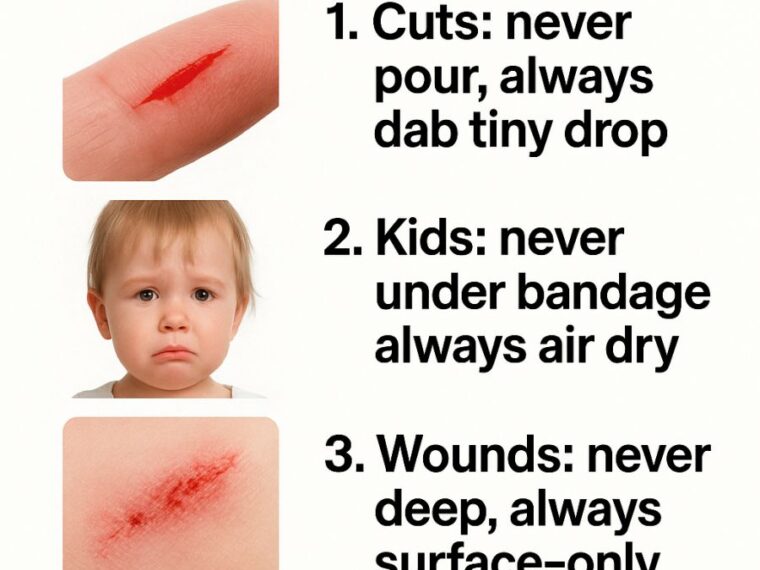
Many people mistakenly believe that pouring mercurochrome directly onto a wound is the best way to disinfect it. However, this method can lead to excessive staining and may not allow for even distribution of the solution on the affected area.
Furthermore, pouring can result in wasteful application and may not provide direct contact with the microbes present in the wound. This approach also increases the risk of contaminating the bottle or solution with bacteria from the wound.
4. The Correct Way to Apply Mercurochrome to Cuts
The most effective way to apply mercurochrome is by using a clean cotton swab or applicator. This method allows for a controlled amount of solution to be applied precisely to the wound. Begin by cleaning the wound with mild soap and water, then gently pat it dry.
Next, dip the cotton swab into the mercurochrome solution, ensuring it’s well-soaked but not dripping. Gently apply the swab to the wound, covering it completely with a thin layer of the solution. Allow the area to air dry before covering it with a sterile bandage if necessary.
5. Why Mercurochrome Should Air Dry on Kids
Allowing mercurochrome to air dry on children’s wounds is important for several reasons. First, it ensures that the antiseptic has time to fully interact with the skin and any present bacteria, maximizing its effectiveness. Second, it prevents the solution from becoming diluted or wiped away prematurely.
Once applied, encourage children to keep the area still and uncovered for a few minutes to allow the solution to dry. This also helps minimize the risk of staining clothing or other surfaces. Air drying is generally quick, taking only a few minutes, and helps ensure the antiseptic remains effective.
6. The Surface-Only Rule for Wounds
Mercurochrome should only be used on surface wounds, such as shallow cuts, abrasions, and scrapes. Its effectiveness is limited to the skin’s surface and does not penetrate deeper tissues. Applying it to deeper wounds can introduce mercury into the bloodstream, which poses health risks.
For deeper wounds, it is best to seek medical attention and use antiseptics designed for such injuries. Adhering to the surface-only rule helps prevent potential complications associated with improper usage of mercurochrome.
7. Why Mercurochrome Is Not for Deep Wounds
Deep wounds require different care than surface-level cuts and scrapes. Mercurochrome’s mercury content can be absorbed into the bloodstream if applied to deep wounds, potentially leading to mercury poisoning. Additionally, its antiseptic properties are insufficient for treating infections that may arise in deeper tissue layers.
For deep wounds, it’s crucial to consult a healthcare professional who can clean and dress the wound properly, potentially prescribing antibiotics if necessary. Using appropriate methods for deeper injuries ensures better healing outcomes and reduces the risk of infection.
8. Burns: Why Mercurochrome Is a No-Go
Applying mercurochrome to burns is not recommended because it can exacerbate skin irritation and does not provide the necessary relief or protection that burns require. The red dye can mask the severity of the burn and hinder the monitoring of the healing process.
Burns require specific treatments that focus on cooling the skin, preventing infection, and minimizing pain. Mercurochrome lacks the properties needed to effectively manage these aspects and should be avoided for burn treatment.
9. The Role of Cool Water in Treating Burns
For minor burns, the immediate application of cool water is one of the most effective treatments. Running cool (not cold) water over the burn for 10 to 20 minutes helps to reduce swelling, dissipate heat, and alleviate pain.
Following the cool water treatment, applying a burn-specific ointment or gel can help protect the area and promote healing. Covering the burn with a sterile gauze bandage can prevent infection and further irritation. This approach is much more effective and safer than using mercurochrome on burns.
10. Debunking Popular Mercurochrome Myths
One common myth is that mercurochrome heals wounds faster than other antiseptics, but there is no scientific evidence supporting this claim. Its primary function is to prevent infection, not to accelerate healing. Another misconception is that its vivid color indicates enhanced potency, which isn’t true; the color is simply a byproduct of its chemical composition.
Additionally, some believe that mercurochrome is a cure-all for any skin injury, but its use is limited to minor, surface-level wounds. Understanding these myths helps users make informed decisions about when and how to use mercurochrome effectively.
11. Safe and Effective Alternatives to Mercurochrome
For those seeking alternatives to mercurochrome, several options are available. Over-the-counter antiseptics like hydrogen peroxide, povidone-iodine, and alcohol-based solutions provide effective wound care without the mercury content. These alternatives are readily available and come in a variety of forms, including sprays, wipes, and gels.
In addition to chemical antiseptics, natural options such as honey and tea tree oil have been shown to possess antimicrobial properties and can be used for minor cuts and abrasions. Selecting the right antiseptic depends on the specific needs of the wound and personal preferences, ensuring both safety and efficacy in wound management.