Honey has long been revered as a natural sweetener and a staple in holistic medicine, but many of us are using it all wrong. This golden nectar, produced industriously by bees, is more than just a sweet treat; it’s a powerhouse of nutrients and benefits that can be maximized with the right approach.
While honey can enhance the flavor of beverages and dishes, its true potential is often overlooked. By making a few simple changes in how we use and consume honey, we can unlock its full range of health benefits and flavor profiles. Let’s explore the right ways to incorporate honey into your daily routine.
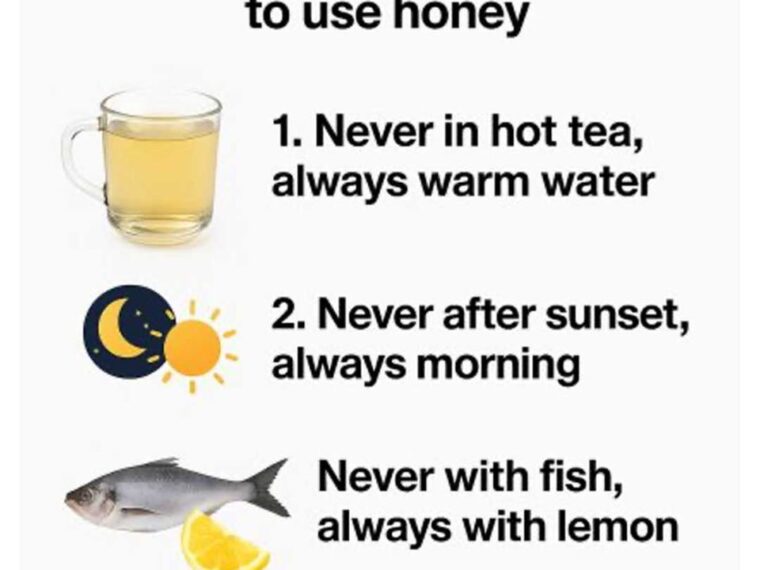
1. Avoid Adding Honey to Hot Tea: Use Warm Water Instead
Many people stir honey into their piping hot tea, thinking they’re adding a touch of natural sweetness. However, high temperatures can destroy the beneficial enzymes and nutrients present in honey. To preserve these properties, it’s better to add honey to warm water, not exceeding 104°F (40°C). This ensures you reap the full benefits of honey’s antioxidants and antibacterial qualities.
For a soothing beverage, prepare your tea as usual and let it cool slightly before mixing in honey. This small adjustment can make a significant difference, allowing you to enjoy both the flavor and health benefits of honey.
2. The Best Time to Consume Honey: Morning Over Evening
Starting your day with honey can set a positive tone for your health. Consuming honey in the morning on an empty stomach can help boost metabolism, providing a natural source of energy. A teaspoon of honey mixed with warm water can also aid in detoxifying the body, improving digestion, and promoting a healthy gut.
While honey is beneficial at any time, consuming it earlier in the day can enhance its effects, ensuring you make the most of its natural sugars and nutrients when your body needs it most.
3. Pairing Honey with Fish: Why It’s a No-Go
While honey pairs beautifully with many foods, fish is not one of them. The strong, distinct flavors of fish can clash with honey’s sweetness, resulting in an unpleasant taste. Furthermore, honey’s sticky texture can alter the delicate consistency of fish dishes.
Instead, consider using honey in marinades or glazes for poultry or roasted vegetables. It can add a delightful caramelization and depth of flavor without overpowering the dish.
4. Enhance Honey with Lemon for Maximum Benefits
Combining honey with lemon is a classic remedy for boosting immunity and aiding digestion. The vitamin C in lemon complements the antioxidant properties of honey, making it a powerful duo. Mix a tablespoon of honey with the juice of half a lemon in warm water for a refreshing and healthful drink.
This simple concoction can be consumed daily to support weight management, improve skin health, and maintain a robust immune system.
5. Why Ghee and Honey Don’t Mix: Opt for Cinnamon
According to Ayurvedic principles, mixing honey with equal parts ghee is not recommended as it can lead to digestive issues. Instead, consider pairing honey with cinnamon. This combination is known to balance blood sugar levels and improve heart health.
Sprinkle a pinch of cinnamon on a teaspoon of honey and enjoy it as a morning ritual, or add it to oatmeal or yogurt for a flavorful and nutritious start to your day.
6. The Right Way to Store Honey for Longevity
Honey’s natural preservative qualities mean it doesn’t spoil easily, but improper storage can lead to crystallization or loss of flavor. Store honey in a tightly sealed glass jar at room temperature, away from direct sunlight. Avoid keeping honey in the refrigerator as this can accelerate crystallization.
If your honey does crystallize, gently warm it in a bowl of warm water to return it to its liquid state. This process helps maintain its nutritional integrity without compromising quality.
7. Choosing Raw Honey Over Processed Varieties
Raw honey is unprocessed and retains all the natural enzymes, vitamins, and minerals that are often stripped away in processed varieties. Choosing raw honey ensures you’re getting the full spectrum of nutrients and health benefits it has to offer.
Look for labels that specify ‘raw’ or ‘unpasteurized’ and opt for local sources when possible. Local honey can also help with seasonal allergies, as it contains trace amounts of pollen from your area.
8. Incorporating Honey into Skincare Routines
Honey’s antibacterial and moisturizing properties make it an excellent addition to skincare routines. Use it as a natural face mask by applying a thin layer of raw honey to your skin, leaving it on for 15-20 minutes before rinsing with warm water. This can help soothe irritation, reduce acne, and leave your skin feeling soft and hydrated.
You can also mix honey with sugar or ground oats for a gentle exfoliating scrub, revealing a brighter complexion.
9. Using Honey as a Natural Sweetener in Baking
Honey can be a healthier alternative to refined sugars in baking. When substituting honey for sugar, use 3/4 cup of honey for every cup of sugar, and reduce the liquid in the recipe by 1/4 cup. Additionally, lower the oven temperature by 25°F to prevent over-browning.
Honey adds moisture and a subtle floral flavor to baked goods, making it perfect for cakes, muffins, and breads.
10. Honey’s Role in Traditional Medicine and Remedies
Throughout history, honey has been used in traditional medicine for its healing properties. It is a common ingredient in cough syrups and throat lozenges due to its soothing effect on sore throats. A teaspoon of honey with a pinch of turmeric can also help alleviate cold symptoms.
In wound care, honey’s antibacterial properties can aid in the healing process, making it a natural option for treating minor cuts and burns.
11. The Environmental Impact of Honey Production
While honey production is generally considered sustainable, it’s important to be mindful of the environmental impact. Overharvesting and large-scale industrial beekeeping can harm bee populations. Support local beekeepers who practice ethical beekeeping and contribute to biodiversity.
By choosing honey from responsible sources, you can enjoy this natural sweetener while supporting the health of bee colonies and the environment.