In recent years, herbal tonics have gained immense popularity as a natural way to boost health and vitality. While many people are familiar with the concept of herbal tonics, few truly understand the best practices for consuming them to maximize their benefits. This article aims to clarify the misconceptions and guide you on the proper way to take herbal tonics effectively.
Herbal tonics can be a powerful addition to your wellness routine, but like any supplement, the key to unlocking their full potential lies in understanding how to use them correctly. From the temperature of the tonic to the timing of consumption, each factor plays a crucial role in determining the overall efficacy of the tonic. In this article, we’ll explore these elements in detail, ensuring you reap the most benefits from your herbal tonics.
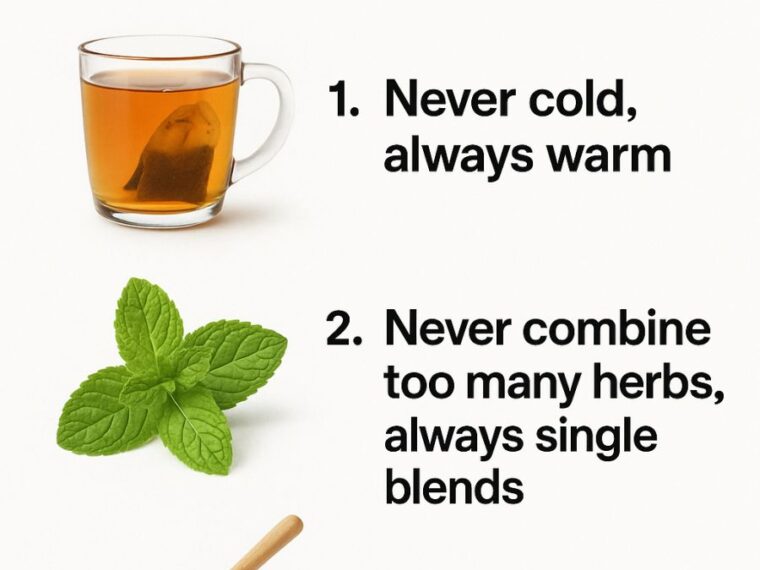
1. The Importance of Temperature: Why Warm Tonics Work Best
The temperature of your herbal tonic can significantly influence its effectiveness. Warm tonics are generally preferred because heat can enhance the bioavailability of the herbs, making it easier for your body to absorb the active compounds. Ideally, herbal tonics should be consumed at a temperature between 98-104°F (37-40°C), which is close to body temperature, facilitating smoother digestion and absorption.
Heating your tonic not only improves absorption but also helps release the aromatic compounds, enhancing the overall sensory experience. However, it is essential not to overheat the tonic, as excessive heat can destroy some of the delicate phytochemicals. A gentle warming, either by steeping herbs in hot water or using a low-heat stove, is sufficient.
2. Timing Matters: When to Consume Your Herbal Tonic
The timing of tonic consumption can be critical to its effectiveness. For most tonics, it’s beneficial to consume them on an empty stomach, either first thing in the morning or about 30 minutes before a meal. This allows the active compounds to enter your system without competition from other digestive processes.
However, certain tonics designed for relaxation or sleep support may be best taken in the evening, about an hour before bedtime. Always consider the purpose of the tonic and how it aligns with your body’s natural rhythms for optimal benefits.
3. Keep It Simple: The Case for Single Herb Blends
While it may be tempting to mix multiple herbs to create a super tonic, simplicity often yields better results. Single herb blends allow you to understand how your body reacts to each specific herb and adjust accordingly. For beginners, starting with a single herb helps build a foundation of knowledge and experience.
Overloading a tonic with multiple herbs can lead to unpredictable interactions and dilute the effects of the primary herb. By focusing on one herb at a time, you can fine-tune dosages and achieve a more targeted therapeutic effect.
4. Sweetening the Pot: Choosing Raw Honey Over Sugar
When it comes to sweetening your herbal tonic, raw honey is a superior choice over refined sugar. Raw honey not only adds a natural sweetness but also contains beneficial enzymes and antioxidants that can enhance the tonic’s health benefits.
Avoid using too much sweetener, as it can mask the natural flavors of the herbs. Aim for about a teaspoon of raw honey per cup of tonic, adjusting to taste while maintaining the balance of flavors and health benefits.
5. Quality Over Quantity: Selecting the Right Ingredients
The quality of herbs you use in your tonic is paramount to its effectiveness. Opt for organic, sustainably sourced herbs from reputable suppliers to ensure you’re getting the highest potency and purity.
When selecting ingredients, freshness is key. Herbs that have been sitting on a shelf for too long lose their potency. Purchasing small quantities and storing them properly can help maintain their efficacy over time.
6. Understanding Potency: How to Measure and Adjust Dosage
Each herb has a unique potency, and understanding how to measure and adjust dosages is essential for safe and effective consumption. Start with the recommended dosage on the label or from a trusted herbalist, usually around 1-2 grams of dried herb per cup of water.
Listen to your body and adjust the dosage as needed. It’s always better to start with a lower dose and increase gradually, monitoring for any adverse reactions or desired effects.
7. Synergy and Interactions: What You Need to Know
Some herbs work synergistically, meaning they enhance each other’s effects when used together. However, be cautious of potential interactions, especially if you’re taking prescription medications.
Consult with a healthcare professional or herbalist to ensure that the combination of herbs you’re using is safe and effective. Understanding the properties of each herb and how they interact is crucial to preventing negative side effects.
8. Storage Solutions: Preserving Your Tonic’s Freshness
Proper storage is essential for maintaining the freshness and potency of your herbal tonic. Store dried herbs in airtight containers away from light, heat, and moisture to preserve their active compounds.
For liquid tonics, refrigeration can extend shelf life, but always check for signs of spoilage before consumption. If you prepare a large batch, consider freezing individual portions to retain freshness over time.
9. Listen to Your Body: Recognizing the Effects
Pay attention to how your body responds to herbal tonics. Positive effects may include increased energy, improved digestion, or a sense of calm, depending on the tonic used.
If you experience any adverse reactions, such as nausea or headaches, discontinue use and consult a healthcare professional. Every individual’s body is different, and it may take some time to find the perfect tonic and dosage for your needs.
10. Myths vs. Facts: Debunking Common Misconceptions
There are many myths surrounding herbal tonics, such as the belief that they are a cure-all or that natural means risk-free. It’s important to approach herbal tonics with realistic expectations and an understanding of their limitations.
Herbal tonics can support wellness, but they are not a substitute for medical treatment. Educating yourself on the facts and debunking common myths will help you use these powerful tools wisely and effectively.
11. Integrating Herbal Tonics Into Your Daily Routine
Incorporating herbal tonics into your daily routine can be seamless and rewarding. Start by identifying specific health goals you wish to address and select appropriate tonics that align with those goals.
Consistency is key. Set aside a specific time each day to enjoy your tonic, turning it into a ritual that you look forward to. Over time, this practice can enhance your overall well-being and help you cultivate a deeper connection with nature’s healing power.