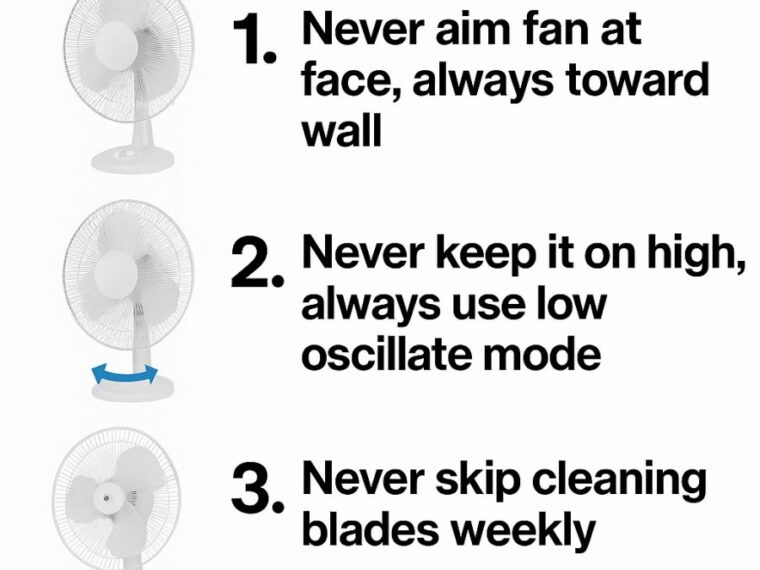
In the quest for a good night’s sleep, many of us turn to fans for relief, believing that the gentle hum and cooling breeze are enough to lull us into dreamland. However, the way we use these fans can greatly affect our sleep quality. While it might seem simple to just plug in a fan and let it blow, there’s a right and wrong way to use it for optimal rest.
With rising temperatures and stuffy rooms, fans can indeed be a lifesaver. Yet, improper usage can lead to discomfort, disrupted sleep, or even health issues. Understanding the nuances of fan usage is essential if you want to leverage its benefits without the downsides. This article will guide you through the most effective ways to use a fan at night, ensuring you get the rest you deserve.
1. The Importance of Proper Fan Use for Sleep
A fan can do more than just cool down a warm room; it can also improve air circulation and help maintain a consistent room temperature, which is crucial for good sleep. The National Sleep Foundation suggests that the ideal sleeping temperature is between 60 and 67 degrees Fahrenheit. A fan, when used correctly, can help maintain this range, promoting deeper and more restorative sleep.
Moreover, fans can create white noise, which can mask disruptive sounds from outside, like traffic or noisy neighbors, allowing for an uninterrupted sleep cycle. However, the placement and setting of the fan are critical to achieving these benefits without causing negative side effects like dryness or allergies.
2. Why You Should Never Aim the Fan at Your Face
Direct airflow from a fan aimed at your face can lead to a variety of discomforts such as dry eyes, throat, and nasal passages. This is because the constant breeze can evaporate moisture from these sensitive areas, leading to irritation and even infections if left unchecked. Additionally, for those who suffer from allergies, a fan blowing directly on the face can stir up dust and allergens, exacerbating symptoms and causing a restless night.
Instead, it’s advisable to position the fan so that it circulates air around the room rather than directly at you. This way, you can enjoy the cooling benefits without the adverse effects on your health.
3. Benefits of Directing the Fan Toward a Wall
One effective method to use a fan is to direct it towards a wall. This technique allows the air to bounce off the wall and diffuse throughout the room, creating a gentle airflow that cools without causing direct irritation. This can also help in evenly distributing the air, reducing hotspots and maintaining a more uniform temperature.
By directing the fan towards a wall, you also minimize the risk of air blowing directly on your body, reducing the likelihood of waking up with a sore throat or dry skin. This approach maximizes comfort while still providing the cooling effects necessary for restful sleep.
4. The Advantages of Using Low Oscillate Mode
Using the oscillate mode on a fan can distribute air more evenly across the room, preventing any particular area from becoming too cold or too dry. On a low setting, the oscillation is gentle enough to maintain a comfortable environment without creating a drafty atmosphere that could disturb sleep.
Furthermore, the low oscillate mode conserves energy, making it an environmentally friendly choice. It also reduces noise levels, which can be beneficial for light sleepers who might be disturbed by the louder sounds of a fan running on a higher setting.
5. Why Cleaning Fan Blades Weekly Is Essential
Over time, dust, pollen, and other allergens can accumulate on fan blades, which can be recirculated into the air when the fan is running. This can cause allergic reactions, respiratory issues, and general discomfort during sleep. To prevent this, it’s crucial to clean fan blades at least once a week.
Regular cleaning not only improves air quality but also extends the life of the fan by preventing the motor from working harder due to clogged airflow. Using a damp cloth or a gentle vacuum attachment can effectively remove dust without damaging the blades.
6. The Risks of Running a Fan in a Closed Room
Operating a fan in a completely closed room can lead to reduced air quality and increased levels of carbon dioxide, especially if there is no ventilation. This can cause headaches, dizziness, and interruptions in sleep. A closed room can also become overly dry, leading to dehydration and skin irritation.
To mitigate these risks, ensure that there is some form of ventilation in the room, whether it be through a slightly open window or door. This allows fresh air to circulate, maintaining a healthy balance of oxygen and carbon dioxide while preventing the air from becoming stale.
7. How Cracking a Window Boosts Air Circulation
Cracking a window while running a fan can significantly improve air circulation, as it allows for a constant exchange of indoor and outdoor air. This can help in maintaining a fresh and oxygen-rich environment, essential for restorative sleep.
Additionally, this practice can help in controlling humidity levels, preventing the room from becoming too dry or too humid. By facilitating airflow, you can also reduce the buildup of indoor pollutants, contributing to a healthier sleeping environment.
8. Exploring the Health Benefits of Proper Fan Use
Using a fan correctly can offer numerous health benefits, including improved respiratory function and reduced risk of overheating. Proper air circulation helps in maintaining optimal body temperature, which is crucial for metabolic processes and overall sleep quality.
Moreover, the consistent airflow can help in reducing the concentration of allergens and pollutants in the room, benefiting those with asthma or allergies. It can also support better cardiovascular health by promoting a deeper and more restful sleep, which is essential for heart health.
9. Popular Myths About Sleeping with a Fan
One common myth is that sleeping with a fan can cause illnesses like colds or the flu. While a fan might exacerbate symptoms for those already suffering from these conditions, it does not cause them. Viruses, not fans, are responsible for such illnesses.
Another myth is that fans are inherently energy-hungry appliances. In reality, modern fans are designed to be energy-efficient, consuming as little as 15 watts on the lowest setting. Understanding these misconceptions can help individuals make informed decisions about using fans during sleep.
10. Expert Tips for Enhancing Sleep Quality with a Fan
Experts suggest placing the fan at the foot of the bed to facilitate a gentle airflow over the body without direct exposure. Combining fan use with breathable bedding materials, like cotton or bamboo, can also enhance comfort by wicking away moisture and promoting air circulation.
Additionally, setting a timer for the fan can prevent overcooling during the night, which can disrupt sleep. Some experts also recommend using a fan in conjunction with an air purifier to maximize air quality benefits.
11. Viral Hacks for Comfortable Sleep with a Fan
One popular hack is to place a bowl of ice or a frozen water bottle in front of the fan. As the fan blows over the ice, it creates a cooler breeze, simulating an air conditioning effect without the high energy costs
Another viral tip is to use essential oils, like lavender or eucalyptus, on a cloth placed near the fan. As the fan circulates the air, it also disperses the soothing aroma, which can help in relaxing the mind and body, promoting a more restful sleep.