High cholesterol is a common health issue that affects millions of people worldwide, increasing the risk of heart disease and stroke. While medications can help manage cholesterol levels, lifestyle changes play a crucial role in maintaining heart health.
Many people attempt to lower their cholesterol but often go about it the wrong way. This article provides practical, effective, and natural methods to help you manage your cholesterol levels successfully.
1. Understand the Basics of Cholesterol
Cholesterol is a waxy substance found in your blood. Your body needs cholesterol to build healthy cells, but high levels can increase your risk of heart disease. There are two types of cholesterol: LDL (low-density lipoprotein), often referred to as ‘bad’ cholesterol, and HDL (high-density lipoprotein), known as ‘good’ cholesterol.
It’s essential to understand these terms when evaluating your cholesterol levels. A healthy level of LDL cholesterol should be less than 100 mg/dL, while HDL cholesterol should be 60 mg/dL or higher. Regular blood tests can help you monitor these levels effectively.
2. Embrace a Mediterranean Diet
The Mediterranean diet is renowned for its heart-healthy benefits. This diet emphasizes the consumption of fruits, vegetables, whole grains, legumes, and nuts. It also encourages the use of olive oil instead of butter and includes moderate amounts of fish and poultry.
Research has shown that this diet can reduce LDL cholesterol and improve overall heart health. Aim to include at least five servings of fruits and vegetables daily and incorporate a variety of whole grains to optimize your nutrient intake.
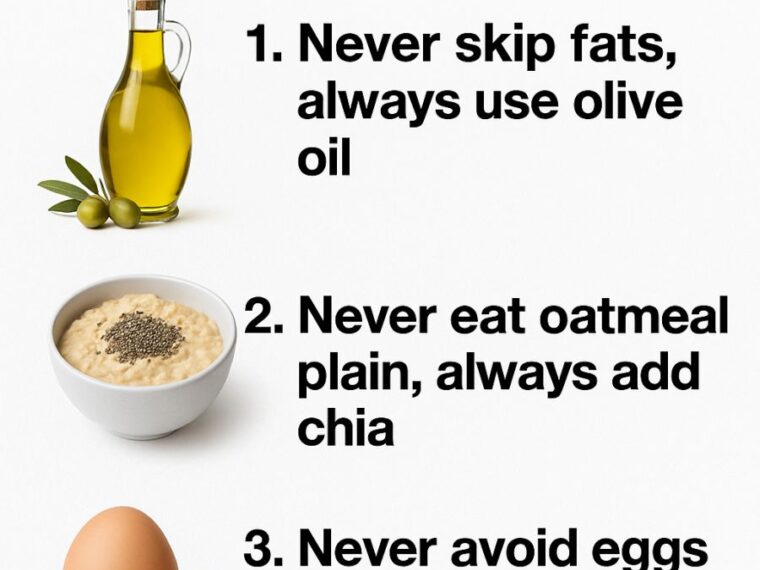
3. Never Skip Fats, Always Use Olive Oil
While reducing saturated fats is crucial, it’s a misconception that you should avoid all fats. Healthy fats, particularly monounsaturated and polyunsaturated fats found in olive oil, can help lower bad cholesterol levels.
Replace butter and margarine with extra-virgin olive oil whenever possible. Around 2 tablespoons a day can make a significant difference in your cholesterol levels. Besides, using olive oil enhances the flavor of your meals, making it a delicious choice.
4. Incorporate Fiber-Rich Foods
Fiber is a key component in lowering cholesterol levels. Soluble fiber, in particular, helps reduce the absorption of cholesterol into your bloodstream. Foods high in soluble fiber include oats, beans, lentils, apples, and berries.
Aim for at least 25 to 30 grams of fiber per day. Incorporate foods like whole grain bread, brown rice, and high-fiber cereals to reach your daily fiber goals.
5. Never Eat Oatmeal Plain, Always Add Chia
Oatmeal is a great source of soluble fiber, but to maximize its benefits, add chia seeds. Chia seeds are rich in omega-3 fatty acids, fiber, and antioxidants, which together help in reducing LDL cholesterol.
Sprinkle a tablespoon of chia seeds over your oatmeal for a nutritious boost. This combination can provide an excellent start to your day and contribute to maintaining healthy cholesterol levels.
6. Focus on Lean Proteins
Protein is essential, but the type of protein you consume can impact your cholesterol levels. Opt for lean proteins such as chicken, turkey, fish, and plant-based proteins like beans and lentils.
Fish, particularly fatty fish like salmon and mackerel, is rich in omega-3 fatty acids, which have been shown to improve cholesterol levels. Aim for at least two servings of fish per week to reap these benefits.
7. Never Avoid Eggs Completely, Just Limit Yolks
Eggs are a nutrient-dense food, but their yolks contain cholesterol. While it’s not necessary to eliminate eggs from your diet, moderation is key.
Consider consuming more egg whites and limiting your yolk intake to a few times a week. This way, you can enjoy the nutritional benefits of eggs without significantly impacting your cholesterol levels.
8. Engage in Regular Physical Activity
Exercise is vital for maintaining healthy cholesterol levels. Regular physical activity can help raise HDL cholesterol while lowering LDL cholesterol and triglycerides.
Aim for at least 150 minutes of moderate aerobic exercise or 75 minutes of vigorous exercise each week. Activities such as brisk walking, cycling, swimming, or jogging can be incredibly effective.
9. Manage Stress Effectively
Chronic stress can negatively impact cholesterol levels and overall heart health. Learning to manage stress is crucial in maintaining a healthy lifestyle.
Incorporate stress-reducing techniques such as meditation, yoga, or deep-breathing exercises into your daily routine. These practices can help lower cortisol levels, which in turn can positively affect your cholesterol.
10. Avoid Trans Fats and Processed Foods
Trans fats are notorious for raising LDL cholesterol and lowering HDL cholesterol, increasing the risk of heart disease. These unhealthy fats are often found in processed foods, baked goods, and fried items.
Read labels carefully and avoid foods containing partially hydrogenated oils. Opt for whole, unprocessed foods whenever possible to maintain healthy cholesterol levels.
11. Never Snack at Night, Always Finish Dinner 3 Hours Before Bed
Late-night snacking can lead to weight gain, which can negatively affect cholesterol levels. It’s beneficial to finish your dinner at least three hours before bedtime to allow your body to process food efficiently.
By avoiding late-night snacks, you can maintain a healthy weight and reduce the risk of elevated cholesterol levels. This simple habit can have a long-lasting impact on your overall heart health.