Eggs have been a dietary staple for centuries, cherished for their versatility and nutritional benefits. Yet, despite their ubiquitous presence in kitchens worldwide, many people may not realize that their method of preparation can significantly affect both the taste and nutritional value of this humble ingredient. Whether you’re whipping up a quick breakfast or creating an elaborate brunch spread, the way you cook your eggs matters.
From the morning rush to leisurely weekend breakfasts, eggs are often the go-to choice. However, the common methods of frying or scrambling might not always be the best options. This article aims to guide you through the most nutritious and delicious ways to enjoy eggs, ensuring that you’re getting the most out of each bite while maintaining a health-conscious approach.
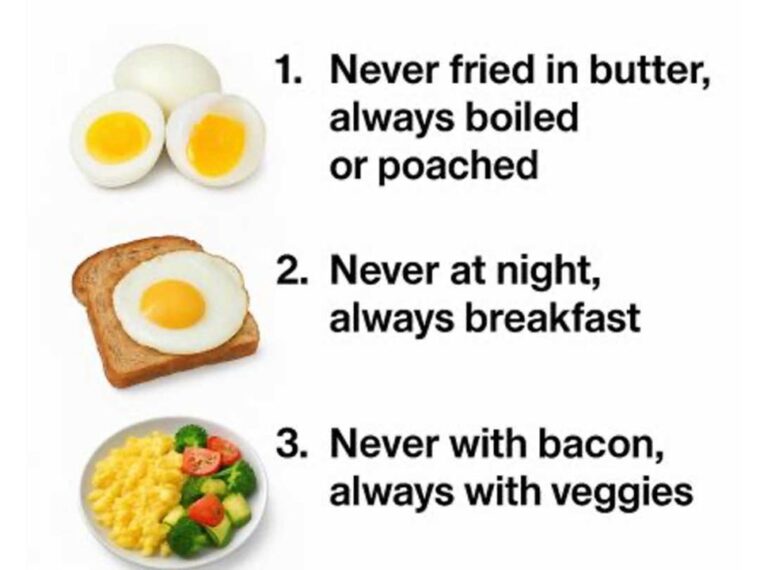
1. Choose Boiled or Poached Over Fried
While fried eggs are a popular choice, they often require a significant amount of oil or butter, which can add unnecessary calories and fat to your meal. Instead, opting for boiled or poached eggs can provide a healthier alternative. Boiled eggs, whether hard or soft, contain around 68 calories and 5 grams of fat, making them a lean source of protein.
Poached eggs, on the other hand, are cooked in water, eliminating the need for additional fats. This method not only keeps the calorie count low but also allows the natural flavors of the egg to shine through. By choosing these cooking methods, you maintain the egg’s nutritional integrity while enjoying a delicious meal.
2. The Perfect Breakfast Companion
Eggs are an excellent source of protein, containing about 6 grams per egg, making them an ideal breakfast choice to keep you full and satisfied throughout the morning. Pairing eggs with whole grains, like a slice of whole-grain toast or a small bowl of oatmeal, can provide a balanced meal that sustains your energy levels.
Additionally, adding a source of healthy fat, such as avocado or a sprinkle of nuts, can enhance the nutritional profile of your breakfast. These combinations not only taste great but also ensure a well-rounded meal that supports your dietary needs.
3. Pair Eggs with Veggies, Not Bacon
While bacon and eggs are a classic pairing, this combination can be high in saturated fats and sodium. Instead, consider pairing your eggs with a variety of vegetables to create a nutrient-packed meal. Vegetables like spinach, tomatoes, and bell peppers not only add color and flavor but also provide essential vitamins and minerals.
By incorporating a cup of sautéed vegetables into your egg dish, you can significantly boost your intake of fiber and antioxidants, contributing to better overall health. This simple swap not only enhances the taste but also aligns with a more health-conscious lifestyle.
4. Master the Art of Light Seasoning
Eggs are naturally rich in flavor, so it’s important to season them with a light hand. Instead of relying on heavy salts or processed condiments, consider using fresh herbs like chives, parsley, or dill to add a burst of freshness. A sprinkle of black pepper or a dash of smoked paprika can also elevate the taste without overwhelming the dish.
For those who enjoy a bit of heat, a few drops of hot sauce can add a kick without the need for excessive seasoning. By mastering the art of light seasoning, you allow the natural flavors of the egg to be the star of the dish while keeping your meal healthy.
5. The Science Behind the Perfect Boil
Achieving the perfect boiled egg requires attention to timing and technique. For a soft-boiled egg with a runny yolk, bring a pot of water to a rolling boil and gently lower the eggs into the water. Cook for about 6 minutes, then transfer the eggs to an ice bath to stop the cooking process.
For hard-boiled eggs, increase the cooking time to 9 to 12 minutes, depending on your preference for yolk firmness. Using a timer is crucial to ensure consistency and prevent overcooking, which can lead to a rubbery texture and a green ring around the yolk.
6. Poaching: Achieving the Perfect Egg
Poaching eggs can be intimidating, but with the right technique, it’s a simple process. Start by bringing a pot of water to a gentle simmer and adding a tablespoon of white vinegar, which helps the egg whites coagulate. Crack the egg into a small bowl and gently slide it into the water.
Allow the egg to cook for about 3 to 4 minutes, or until the whites are set but the yolk is still soft. Remove the egg with a slotted spoon and drain on a paper towel. With practice, poaching becomes an easy way to prepare eggs with a creamy texture and delicate flavor.
7. Timing is Everything: When to Eat Eggs
The timing of your egg consumption can influence how your body utilizes its nutrients. Consuming eggs in the morning can provide a substantial protein boost, which helps regulate hunger throughout the day. A protein-rich breakfast has been shown to improve satiety and reduce overall calorie intake.
If you’re aiming for muscle growth or recovery, eating eggs post-workout is an excellent choice. The high-quality protein in eggs contains all nine essential amino acids, which are crucial for muscle repair and growth. Timing your egg consumption based on your daily activities can maximize their health benefits.
8. The Health Benefits of Eggs in the Morning
Eating eggs in the morning has been linked to several health benefits, including improved concentration and energy levels. The protein and healthy fats found in eggs can provide a sustained energy release, keeping you alert and focused during the morning hours.
Furthermore, eggs are rich in choline, a nutrient that supports brain health and cognitive function. Starting your day with eggs can therefore contribute to better mental performance and overall well-being.
9. Avoiding Common Egg Cooking Mistakes
One common mistake when cooking eggs is using high heat, which can lead to overcooked, rubbery textures. It’s important to cook eggs over low to medium heat to maintain their tenderness and flavor. Another mistake is not using fresh eggs, which can affect the quality and taste of the final dish.
For boiled eggs, not cooling them quickly in an ice bath can result in difficult peeling. Ensuring you’re using the right techniques and ingredients can make all the difference in creating a perfect egg dish.
10. Hacks for Easy Shell Removal
Peeling boiled eggs can be a challenge, but there are several hacks to make the process easier. Start by using older eggs, as they have a higher pH level, which makes peeling simpler. After boiling, immediately transfer the eggs to an ice bath for at least 5 minutes to shock the shells and loosen them.
Gently tapping the eggs on a hard surface and rolling them under your palm can also help crack the shell evenly, making it easier to peel. By following these tips, you can enjoy perfectly peeled eggs every time.
11. How to Elevate Your Egg Experience
To take your egg dishes to the next level, consider experimenting with different cooking techniques and flavors. Adding a soft-boiled egg to a bowl of ramen can create a rich and satisfying meal. For a gourmet touch, try shaving truffles over scrambled eggs or incorporating exotic spices like turmeric or za’atar.
Presentation also plays a key role in elevating your egg experience. Serving poached eggs on a bed of sautéed greens with a drizzle of hollandaise can transform a simple breakfast into a luxurious brunch. By getting creative with your egg dishes, you can enjoy them in a variety of exciting and delicious ways.