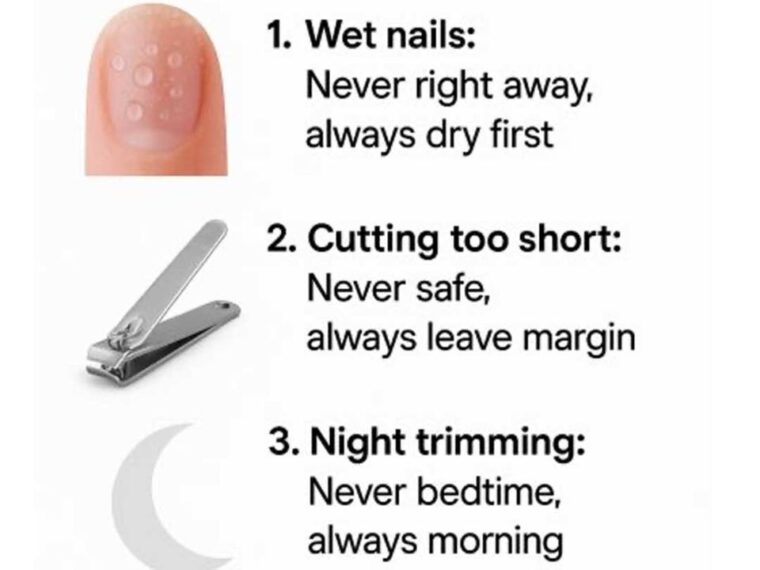
Nail care is often an overlooked aspect of personal grooming, yet it plays a crucial role not only in aesthetics but also in maintaining overall hand and foot health. Proper nail cutting is essential to avoid issues such as ingrown nails, infections, and general discomfort. However, many people are unaware of the correct techniques and practices to adopt when trimming their nails.
In this article, we will explore the common mistakes people make when cutting their nails and provide a comprehensive guide to doing it the right way. From understanding the importance of nail care to selecting the right tools and techniques, this guide will ensure your nail grooming routine is both effective and safe.
1. The Importance of Proper Nail Care
Nails can be indicators of your overall health, and maintaining them properly can prevent a host of problems. Proper nail care includes keeping them clean, trimmed, and filed to prevent breakage and splitting. Unkempt nails can harbor bacteria and fungi, leading to infections that are not only unpleasant but can also be painful.
Keeping nails at an appropriate length, which is generally about 1-2 millimeters above the nail bed, helps reduce the risk of trauma. Regular trimming prevents nails from snagging on clothing or other materials, which can cause them to tear or break. By adopting a consistent nail care routine, you’re not only ensuring the nails look good, but you’re also setting a foundation for healthy nail growth.
2. Why You Should Always Cut Dry Nails
Cutting nails when they are dry is crucial because wet nails are more prone to tearing, bending, and splitting. When nails absorb water, they become softer and more pliable, which might seem like it would make them easier to cut. However, this softness also makes them more susceptible to damage.
For best results, wait until your nails are completely dry before cutting them. This ensures the nail clippers can make a clean, precise cut, reducing the risk of jagged edges and potential hangnails. A good practice is to wait at least 30 minutes after a shower or washing your hands before trimming your nails.
3. The Risks of Cutting Nails Too Short
Cutting nails too short can lead to a variety of problems, the most common being painful ingrown nails. An ingrown nail occurs when the nail grows into the skin, often resulting in redness, pain, and swelling. The ideal nail length should be just enough to cover the finger or toe without extending significantly beyond it.
Additionally, cutting nails too short exposes the sensitive skin beneath the nail, increasing the risk of infections. It’s essential to leave a small margin of white nail edge, typically around 1-2 millimeters, to protect the nail bed and surrounding skin.
4. Best Time of Day for Nail Trimming
While there’s no universally ‘perfect’ time of day for trimming nails, doing it in the evening can be advantageous. In the evening, your body temperature and circulation are generally higher, which can make nails slightly more flexible and easier to cut.
Additionally, many people find they have more time and patience in the evening, which reduces the likelihood of rushing and making mistakes. By incorporating nail trimming into your evening routine, you can ensure that the process is both thorough and relaxed.
5. Choosing the Right Tools for Nail Cutting
The tools you use for nail cutting are just as important as the technique. Investing in a quality pair of nail clippers or nail scissors is crucial. These should be stainless steel, ensuring they remain sharp and rust-free. Clippers should be the appropriate size for your nails—larger clippers for toenails and smaller ones for fingernails.
Additionally, a good nail file is vital for smoothing out any rough edges after trimming. Avoid using old, dull, or rusty tools, as these can lead to uneven cuts and increase the risk of infection. Clean your tools regularly with rubbing alcohol to maintain hygiene and ensure they last longer.
6. The Correct Way to Hold the Clippers
Holding the clippers correctly is essential for achieving a clean cut. Grip the clippers with your dominant hand, ensuring your fingers are securely around the handle and your thumb is positioned on the lever. This grip gives you maximum control over the cutting process.
When cutting, start from one side of the nail and work your way across in a single, smooth motion. Avoid using a sawing action, as this can cause the nail to splinter. If using scissors, keep the blades parallel to the nail edge to ensure a straight cut.
7. How to Avoid Hangnails and Splitting
Hangnails and splitting can be painful and unsightly, but they can be avoided with proper care. Firstly, ensure you’re not cutting nails too short, as this can lead to splitting. Keeping nails moisturized is also key, as dry nails are more prone to breaking.
Use a hand cream or nail oil regularly to maintain moisture levels. Additionally, filing your nails with a fine-grit file in one direction rather than back and forth can help prevent splitting and maintain smooth edges.
8. The Art of Filing: Gentle Strokes for Better Results
Filing is an important step in nail care, as it smooths out rough edges left after trimming. Use a fine-grit nail file and employ gentle strokes, moving in one direction to avoid splitting.
Start from the outer edge and move towards the center, lifting the file away from the nail before returning to the starting point. Avoid using a back-and-forth motion, as this can weaken the nail. Filing every week or so can keep your nails in optimal shape and prevent future damage.
9. Common Myths About Nail Cutting Debunked
One common myth is that cutting nails in a rounded shape prevents ingrown nails. In reality, nails should be cut straight across to reduce the risk of them growing into the surrounding skin.
Another myth is that cutting nails at night is bad luck. This belief is rooted in superstition and has no bearing on nail health. The key is to ensure nails are dry and the cutting environment is well-lit to prevent accidents.
10. Viral Nail Cutting Hacks: What Works and What Doesn’t
Viral hacks such as using dental floss to fix a broken nail or soaking nails in lemon juice for strength have gained popularity. While some, like using a tea bag patch for a cracked nail, can provide temporary fixes, others may not be as effective.
For example, lemon juice can dry out nails if used excessively. It’s always best to stick to proven methods of nail care and consult a professional for persistent issues.
11. Tips for Maintaining Healthy Nails
To maintain healthy nails, keep them clean and dry to prevent bacteria and fungal infections. Regularly moisturize your nails and cuticles using oils or creams to prevent dryness and splitting.
Ensure you’re consuming a balanced diet rich in vitamins, particularly biotin and vitamin E, to support nail health. Lastly, avoid using nails as tools to open or pick at things, as this can cause damage and weaken them over time.