Cleaning the oven is often one of those household chores that many people dread. It’s messy, time-consuming, and often left until the last minute. However, a clean oven is essential for both the quality of your cooking and the lifespan of your appliance.
Many people think they’re cleaning their ovens properly, but there are common mistakes that can be avoided with the right knowledge and techniques. This article will guide you through the best practices for cleaning your oven, ensuring it remains in top condition and operates efficiently.
1. Understanding the Importance of Proper Oven Cleaning
A properly cleaned oven not only ensures that your food tastes great but also prevents hazardous buildup of grease and grime, which can cause unpleasant odors and even smoke. When food spills and splatters aren’t cleaned promptly, they can harden and become increasingly difficult to remove over time. According to appliance experts, a dirty oven could be using up to 20% more energy compared to a clean one.
Regular cleaning helps to avoid these issues and ensures that your oven operates efficiently. It improves heat distribution, which means that your food cooks evenly, reducing the risk of overcooking or undercooking. Additionally, a well-maintained oven is less likely to break down, saving you money on repairs and replacements.
2. Timing Your Self-Cleaning Cycles: Avoid Holidays
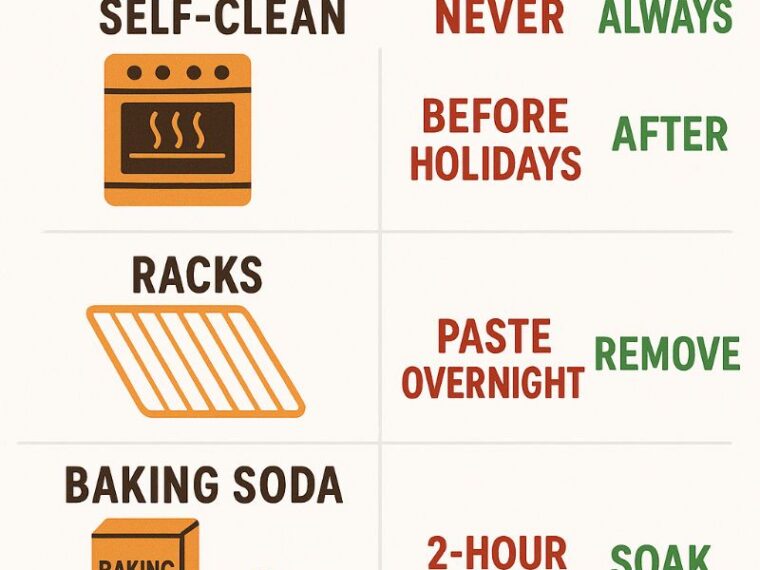
Many modern ovens come with a self-cleaning function that uses high temperatures to burn off residue. While this feature is incredibly useful, it’s best to schedule these cycles when you don’t plan on using the oven immediately afterward. The self-cleaning process can lock the oven for several hours, making it inaccessible for cooking.
Avoid running self-cleaning cycles right before or during holidays and special occasions when you might need to use your oven. Instead, plan to clean your oven during a downtime in your cooking schedule, such as a weekday evening when you can order takeout or cook on the stovetop.
3. Removing Oven Racks Before Self-Cleaning
Oven racks are typically made of metal that can discolor or warp when exposed to the high temperatures of the self-cleaning cycle. To preserve their appearance and functionality, it’s important to remove them from the oven before starting the cycle.
Once removed, you can clean the racks separately using warm soapy water and a non-abrasive scrubber. For stubborn stains, a paste of baking soda and water can be applied to the racks, left to sit for 15-20 minutes, and then scrubbed off with ease.
4. The Correct Way to Use Baking Soda for Oven Cleaning
Baking soda is a natural abrasive that can help tackle tough stains and burnt-on food without the use of harsh chemicals. To clean your oven with baking soda, first, create a paste by mixing 1/2 cup of baking soda with a few tablespoons of water until it reaches a spreadable consistency.
Apply the paste throughout the interior of your oven, avoiding the heating elements. Let it sit overnight, allowing the baking soda to break down the grime. The next day, use a damp cloth to wipe away the paste, revealing a clean surface. For any remaining residue, spray with a little vinegar, which will react with the baking soda and foam, making it easier to remove.
5. Safely Cleaning Oven Glass Without a Razor Blade
The glass on your oven door can often become cloudy and stained, impacting visibility into the oven. While it might be tempting to use a razor blade to scrape off stubborn spots, this can scratch and damage the glass. Instead, use a mixture of baking soda and water to gently scrub the glass.
Apply the paste directly to the glass and let it sit for about 15 minutes. Then, wipe it off with a soft cloth or sponge. For extra shine, finish with a glass cleaner or a mixture of vinegar and water, buffing to a streak-free finish.
6. The Role of Vinegar and Steam in Oven Cleaning
Vinegar is a versatile natural cleaner that can help dissolve grease and deodorize your oven. To use vinegar for cleaning, mix equal parts water and white vinegar in a spray bottle. After applying a baking soda paste and wiping it off, spray the vinegar solution throughout the oven to tackle remaining grime and neutralize odors.
For a quick steam clean, fill an oven-safe dish with water and 1 cup of vinegar. Place it in the oven and heat to 250°F (120°C) for about 30 minutes. The steam will help loosen grime, making it easier to wipe away with a cloth once the oven cools.
7. Exploring Popular Viral Hacks: What Works and What Doesn’t
The internet is full of cleaning hacks, but not all of them are effective or safe for your oven. For example, using a dishwasher tablet to scrub the oven door may scratch the glass, while using ammonia can release harmful fumes.
Stick to tried-and-true methods like baking soda and vinegar, which are both effective and safe. Avoid using harsh chemicals or abrasive materials that can damage the oven’s surfaces and compromise its performance.
8. Natural Cleaning Alternatives for Chemical-Free Ovens
If you prefer to avoid commercial oven cleaners, there are plenty of natural alternatives that can achieve the same results without harsh chemicals. Besides baking soda and vinegar, lemon juice is another powerful cleaner due to its acidity.
Create a mixture of lemon juice and water and apply it to greasy areas, letting it sit for a while before wiping off. The fresh scent of lemon also helps to deodorize your oven naturally.
9. Maintaining Your Oven: Regular Light Cleanings
To keep your oven in top condition, incorporate regular light cleanings into your routine. After each use, allow the oven to cool and then wipe down the interior with a damp cloth to remove fresh spills and splatters before they harden.
For more thorough cleanings, aim to deep clean your oven every 3 to 6 months, depending on how frequently you use it. Regular maintenance not only keeps your oven looking good but also prolongs its life.
10. Avoiding Common Oven Cleaning Mistakes
One common mistake is using the self-cleaning feature too frequently, which can wear out the oven’s components over time. Limit this to a few times a year and rely on manual cleaning methods in between.
Another mistake is neglecting to clean the oven door seals and gaskets, which can affect the oven’s ability to retain heat. Gently clean these areas with a damp cloth and avoid using too much water or any abrasive materials.
11. Long-Term Benefits of a Well-Maintained Oven
A well-maintained oven not only performs better but also lasts longer, saving you money on energy bills and repairs. Regular cleaning helps prevent the buildup of grease and debris, which can lead to mechanical issues and even pose a fire hazard.
Additionally, a clean oven ensures that your food is cooked evenly and retains its intended flavors without the interference of burnt-on residues. By investing time in proper oven care, you can enjoy better cooking results and peace of mind.