Hardwood floors are a timeless and elegant choice for any home, offering warmth and natural beauty that can elevate any space. However, maintaining their luster and longevity requires more than just a casual sweep or mop. Many people unknowingly damage their hardwood floors by cleaning them improperly, which can lead to scratches, dullness, and even warping over time.
In this article, we will explore the common mistakes people make when cleaning hardwood floors and offer practical solutions to preserve their beauty. By following these expert tips, you can ensure your hardwood floors remain pristine and extend their lifespan significantly.
1. The Missteps Most People Make
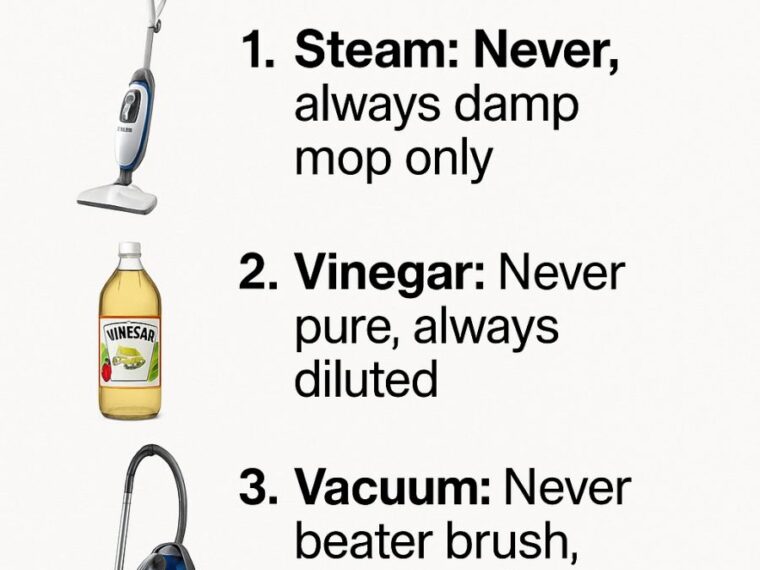
One of the most common mistakes people make is using too much water when cleaning their hardwood floors. Water can seep into the seams and cause the wood to swell or warp. It’s crucial to avoid soaking the floors and instead use a damp mop.
Another frequent error is using harsh chemicals or the wrong cleaning products. Products not specifically designed for hardwood can strip away the protective finish, leading to dullness and vulnerability to damage. Always check the label to ensure it’s safe for hardwood.
2. Why Damp Mopping Is Essential
Damp mopping is essential for hardwood floors because it effectively cleans without saturating the wood. This method involves using a mop that has been lightly moistened, allowing you to clean the surface without leaving puddles or excess moisture.
To damp mop, wring out your mop thoroughly until it’s just slightly damp to the touch. This will prevent water from pooling on the floor and causing damage. A well-dampened mop will pick up dirt and grime efficiently while maintaining the floor’s integrity.
3. Properly Diluting Vinegar for Cleaning
Vinegar is a popular natural cleaning solution, but using it undiluted can harm hardwood floors. To clean effectively without damaging the finish, mix one part vinegar with ten parts water. This dilution is strong enough to clean grime while gentle enough to protect the wood.
When using vinegar, apply the solution with a spray bottle and a microfiber mop. This ensures even distribution and minimizes the risk of oversaturating the floor.
4. Choosing the Right Vacuum Attachment
Choosing the right vacuum attachment is crucial to prevent scratches on hardwood floors. Avoid using beater bars or rotary brushes, which can scratch the surface. Instead, opt for a floor-brush attachment designed specifically for hard surfaces.
Ensure your vacuum is set to the appropriate height to avoid scraping the floor. Regularly check the wheels and attachments for debris that could scratch the wood as you clean.
5. The Seasonal Approach to Polishing
Polishing your hardwood floors is essential to maintaining their shine and protective finish. However, over-polishing can lead to buildup. A seasonal approach, polishing every few months, helps maintain a balance.
In high-traffic areas, consider polishing more frequently. Use a high-quality polish designed for hardwood, and always follow the manufacturer’s instructions to avoid applying too much product.
6. Understanding the Impact of Steam on Hardwood
Steam cleaning might seem like an efficient way to sanitize floors, but it can be detrimental to hardwood. The high heat and moisture can penetrate the wood, leading to swelling and warping.
If you prefer steam cleaning, use a steam mop specifically designed for hardwood floors, and ensure it’s set to the lowest setting. Always follow up with a dry mop to remove any residual moisture immediately.
7. The Role of pH-Balanced Cleaners
pH-balanced cleaners are formulated to clean effectively without disrupting the natural pH of the wood or its finish. Using cleaners that are too acidic or alkaline can damage the floor’s finish over time.
When selecting a cleaner, ensure it’s labeled as pH-balanced for hardwood. This will ensure a gentle yet effective clean that maintains the floor’s natural beauty and protective coating.
8. The Importance of Immediate Spill Clean-Up
Immediate clean-up of spills is crucial to prevent stains and water damage on hardwood floors. Liquids left on the surface can penetrate the seams and finish, leading to discoloration and warping.
Use a soft, absorbent cloth to blot spills as soon as they occur, and follow up with a damp cloth if necessary. Prompt action can prevent long-term damage and preserve the floor’s appearance.
9. The Benefits of Using Microfiber Cloths
Microfiber cloths are a game-changer for cleaning hardwood floors due to their ability to attract and trap dirt, dust, and allergens without scratching the surface. They are highly absorbent, making them ideal for both dry dusting and damp mopping.
Regularly laundering microfiber cloths ensures they maintain their effectiveness. Avoid using fabric softeners, as they can reduce the cloths’ absorbency and cleaning power.
10. How to Protect Your Floors from Furniture Scratches
Furniture can easily scratch hardwood floors if not properly managed. Use felt pads on the legs of chairs, tables, and other furniture to prevent scratching when moved.
For heavy furniture, consider using furniture coasters or area rugs to distribute weight evenly. Regularly check and replace pads and rugs to maintain their protective function.
11. The Best Practices for Regular Maintenance
Regular maintenance is key to extending the life of hardwood floors. This includes routine sweeping or vacuuming to remove dirt and debris that can cause scratching.
In addition to regular cleaning, establish a schedule for deeper cleaning and polishing. By maintaining a consistent routine, you can keep your hardwood floors looking beautiful for years to come.