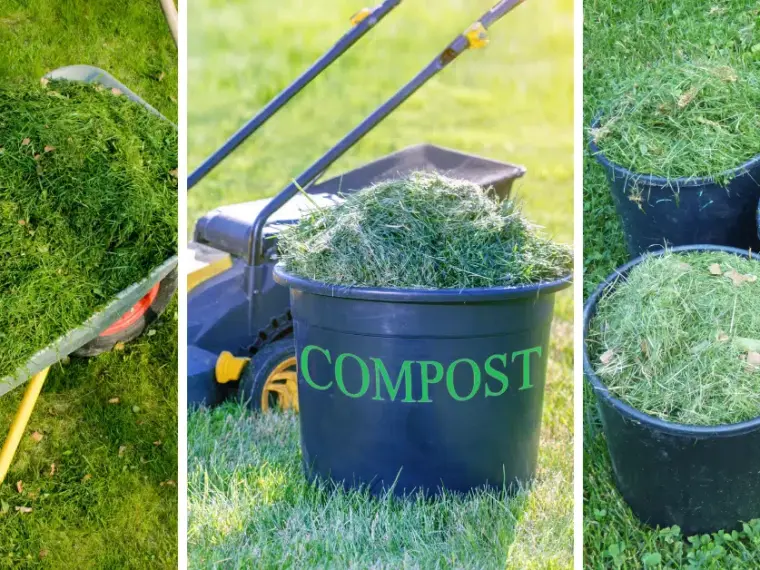
If you’ve been tossing your grass clippings after mowing, you’ve been throwing away one of nature’s most valuable – and free – garden resources.
Grass clippings are rich in nutrients, moisture, and organic matter that can transform your soil, feed your plants, and even help control weeds naturally.
What Makes Grass Clippings So Valuable
When grass grows, it absorbs nitrogen, potassium, and phosphorus – the same nutrients found in commercial fertilizers.
When you mow your lawn, those nutrients are still in the blades, meaning grass clippings are essentially a natural slow-release fertilizer.
In fact, grass clippings contain:
- Nitrogen: For strong leaf growth and lush green color
- Phosphorus: For healthy root development
- Potassium: For disease resistance and stress tolerance
- Trace minerals: Such as calcium, magnesium, and iron
These nutrients return to the soil when clippings decompose, enriching it naturally and improving soil structure over time.
1. Use Grass Clippings as a Natural Mulch
One of the simplest and most effective ways to use grass clippings is as mulch around your plants.
Mulching helps retain moisture, regulate soil temperature, and suppress weeds – all while feeding the soil as the clippings break down.
How to Apply:
- Spread a thin layer (1–2 inches) of dry, fresh clippings around plants, keeping them a few inches away from stems.
- Allow the first layer to dry before adding more to prevent matting or mold growth.
- Reapply every couple of weeks throughout the growing season.
Benefits:
- Moisture retention: Keeps soil damp longer, reducing the need for frequent watering.
- Weed suppression: Blocks sunlight to unwanted seedlings.
- Soil enrichment: As clippings decompose, they feed beneficial microbes and earthworms.
For best results, avoid using clippings treated with herbicides or pesticides.
2. Turn Grass Clippings into Nutrient-Rich Compost
Grass clippings are one of the best “green” components for composting, meaning they’re rich in nitrogen – an essential element for microbial activity.
When combined with “brown” materials like dry leaves, straw, or shredded cardboard, grass clippings create the perfect balance for fast, effective composting.
Compost Recipe:
- 3 parts brown materials (dry leaves, twigs, shredded paper)
- 1 part green materials (grass clippings, kitchen scraps)
Alternate layers in your compost pile, keep it slightly moist, and turn it every 7–10 days.
Benefits of Composting Clippings:
- Produces nutrient-rich humus that improves soil structure and fertility
- Reduces household and yard waste
- Encourages beneficial microbes and fungi that support plant health
After 6–8 weeks, you’ll have dark, crumbly compost perfect for garden beds or container plants.
3. Use Grass Clippings as Green Manure
If your garden beds need a fertility boost, grass clippings can be used as green manure. Instead of removing clippings, incorporate them directly into the soil to replenish nutrients.
How to Do It:
- Spread a 2–3 inch layer of fresh or partially dried clippings over the garden bed.
- Lightly turn them into the top few inches of soil.
- Let the bed rest for 2–3 weeks before planting.
This method works especially well at the end of the growing season when you’re preparing beds for the next year.
Benefits:
- Improves soil structure and aeration
- Feeds soil microbes that convert organic matter into plant nutrients
- Enhances water retention and root development
Over time, grass clippings enrich the soil naturally, reducing the need for chemical fertilizers.
4. Feed Your Compost Tea or Liquid Fertilizer
If you love DIY gardening solutions, you can also turn grass clippings into a liquid fertilizer – often called “compost tea.”
How to Make Grass-Clipping Tea:
- Fill a bucket halfway with fresh grass clippings.
- Add water to the top and stir well.
- Cover loosely and let it steep for 2–3 days, stirring daily.
- Strain the liquid and dilute it (1 part tea to 10 parts water).
- Use the mixture to water your plants.
Why It Works:
Grass-clipping tea is rich in nitrogen and trace minerals, providing a quick energy boost to growing plants. It’s especially useful for leafy greens, herbs, and flowers that benefit from extra nitrogen during active growth.
5. Use Grass Clippings to Prevent Erosion
In areas prone to soil erosion – such as sloped gardens or bare patches – a layer of grass clippings can help hold soil in place and prevent runoff.
Simply spread a thin, even layer over exposed soil to protect it from wind and rain. As the clippings decompose, they add organic matter, strengthening the soil’s ability to retain moisture and nutrients.
6. Keep Grass Clippings on the Lawn
One of the easiest uses for clippings is to simply leave them on the lawn after mowing. Modern mulching mowers are designed to finely chop the clippings so they settle between grass blades and decompose quickly.
Benefits:
- Returns up to 25% of your lawn’s annual nitrogen needs.
- Saves time and money on fertilizer.
- Keeps your lawn greener, thicker, and healthier.
This process – known as grasscycling – is eco-friendly and eliminates waste, all while improving your lawn’s natural ecosystem.
7. Add Grass Clippings Around Fruit Trees and Shrubs
Fruit trees and berry bushes benefit greatly from organic mulches. Grass clippings around their base help maintain consistent soil moisture and provide steady nutrients throughout the growing season.
How to Apply:
- Spread dried clippings in a 2–3 inch layer around the tree’s drip line (not directly against the trunk).4Reapply after a few weeks as they break down.
This simple technique keeps weeds away, improves soil fertility, and encourages deep root growth – leading to healthier, more productive trees.
What to Avoid When Using Grass Clippings
While grass clippings are incredibly beneficial, there are a few precautions to keep in mind:
- Avoid herbicide-treated lawns: Chemicals can harm plants, worms, and soil microbes
- Don’t use thick, wet layers: This can create a slimy, oxygen-deprived mat that promotes mold.
- Let clippings dry first: Especially when using as mulch – dry clippings break down more evenly.
- Mix with other materials: In compost piles, balance with browns to prevent odor or overheating.
Handled properly, grass clippings are one of the safest and most sustainable ways to boost your garden’s health naturally.
The Environmental Benefits
Reusing grass clippings does more than just help your garden – it also benefits the planet:
- Reduces landfill waste: Yard trimmings make up over 10% of landfill content.
- Cuts fertilizer use: Natural nutrients mean fewer synthetic chemicals.
- Conserves water: Mulched soil retains moisture better, reducing irrigation needs.
- Supports biodiversity: Healthy soil attracts earthworms, microbes, and pollinators.
By using what your garden already produces, you create a closed-loop ecosystem that’s both eco-friendly and efficient.
Grass clippings are often overlooked, but they’re one of the most versatile and nutrient-rich organic materials a gardener can use.