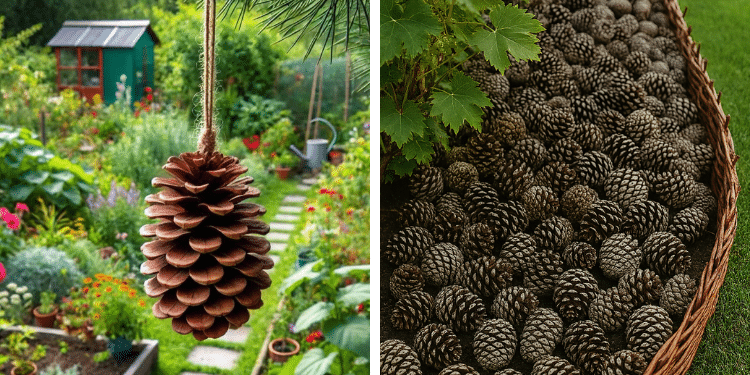
Every gardener knows that nature often offers the best solutions – sometimes in the simplest, most overlooked forms.
We invest in expensive fertilizers, chemical pest repellents, and fancy garden gadgets, yet some of the most powerful tools for garden health and balance are free and already lying on the forest floor.
One of the most underrated examples? The humble pine cone.
At first glance, a pine cone might look like nothing more than a rustic decoration or a seasonal craft supply.
But when used strategically in your garden – especially in autumn – this natural object becomes much more than a pretty ornament.
Understanding Pine Cones – Nature’s Ingenious Design
Before we dive into the many ways pine cones benefit your garden, it’s worth understanding what they really are and why nature designed them the way it did.
What Are Pine Cones?
Pine cones are the seed-bearing structures of coniferous trees, such as pines, spruces, and firs.
They serve as protective casings for the tree’s seeds, shielding them from harsh weather and hungry animals until conditions are just right for germination.
There are two types of cones:
- Female cones – Larger, woody cones that contain seeds.
- Male cones – Smaller, softer cones that produce pollen (usually fall off after pollination).
When most people think of a pine cone, they’re picturing the female version – the iconic, woody cone that drops to the ground or clings to branches.
How Pine Cones Respond to Weather
One of the most fascinating things about pine cones is their natural hygroscopic property – they open and close depending on humidity levels:
- In dry weather, pine cones open up to release their seeds.
- In damp or rainy conditions, they close tightly to protect them.
This built-in sensitivity to moisture is the key to several of their practical uses in gardening – and one major reason you should hang them near your plants in fall.
Pine Cones as Natural Weather Predictors
One of the oldest and most useful reasons gardeners hang pine cones in autumn is to use them as a natural barometer.
How It Works
Because pine cones respond to changes in air moisture, they act as simple yet reliable weather indicators.
When you hang a pine cone in a visible spot – like a tree branch, trellis, or fence post near your garden – you can quickly read upcoming weather conditions just by looking at it:
- Open pine cone = dry air ahead (good time for watering, planting, or harvesting)
- Closed pine cone = high humidity or rain is coming (prepare for wet soil and delay watering)
This is especially useful in the fall, when unpredictable weather patterns can affect:
- When to water and how much
- When to harvest certain crops
- When to cover tender plants
- How to plan composting and mulching schedules
Pro tip: Hang 2–3 pine cones around different areas of the garden (especially where you make planting decisions).
Over time, you’ll learn how quickly they react to changes in humidity – often 12–24 hours before rain arrives.
Pine Cones as Pest Deterrents
Believe it or not, pine cones can also help keep certain pests at bay – without any toxic sprays or traps.
1. Deterring Small Mammals and Rodents
Squirrels, mice, and voles can cause serious damage to bulbs, roots, and seedlings in fall.
The natural scent of pine resin, combined with the rough texture of cones, discourages some rodents from digging or nesting nearby.
How to use:
- Scatter pine cones around the perimeter of raised beds or near vulnerable plants.
- Hang a few from low tree branches – the scent is stronger when slightly warmed by the sun.
2. Repelling Slugs and Snails
The woody, spiky structure of pine cones can be used as a physical barrier to deter slugs and snails from reaching plants. It’s not foolproof, but it can reduce damage when combined with other natural methods.
How to use:
- Place a circle of pine cones around susceptible plants (like hostas, lettuce, or strawberries).
- Use them as a top layer of mulch near the soil surface to create a rough, uncomfortable texture pests avoid.
3. Discouraging Cats and Digging Animals
If neighborhood cats or raccoons treat your garden beds like a playground, pine cones can help. Their uneven shape and scent discourage digging and scratching.
How to use:
- Spread pine cones evenly across freshly planted beds.
- Hang a few near entry points – the scent combined with movement in the wind can scare away curious animals.
Attracting Beneficial Wildlife and Pollinators
While pine cones repel some pests, they attract the “good guys” – pollinators, seed-dispersing birds, and beneficial insects – all of which are crucial to a thriving garden.
1. Feeding Birds in the Fall and Winter
Birds are some of the best natural allies a gardener can have. They eat harmful insects, pollinate flowers, and help spread seeds. But as temperatures drop, food becomes scarce.
A hanging pine cone can double as a natural bird feeder:
How to make it:
- Smear a pine cone with peanut butter or suet.
- Roll it in birdseed.
- Hang it from a tree branch or fence near your garden.
This not only supports bird populations but also keeps insect pests under control naturally.
2. Creating Microhabitats for Beneficial Insects
Pine cones provide tiny crevices that serve as shelter for beneficial insects such as ladybugs, lacewings, and solitary bees – all of which are crucial for pollination and pest control.
How to use:
- Hang a few cones in sheltered spots (like under eaves or tree branches).
- Place clusters in a shallow basket or mesh bag and hang them like an insect hotel.
3. Supporting Pollinator Activity in Early Spring
By attracting birds and insects in fall, you’re essentially setting the stage for better pollination next spring. Many beneficial species overwinter in protected areas and emerge earlier near familiar food sources.
Pine Cones as Natural Soil and Compost Enhancers
Pine cones don’t just belong above ground – they can also be incorporated into the soil ecosystem in surprising ways.
1. Improving Soil Aeration
Crushed or broken pine cones mixed into garden beds improve soil structure, helping air and water penetrate more easily. This is especially useful for heavy clay soils that compact easily in fall and winter rains.
2. Enhancing Compost
While whole pine cones take a long time to decompose, shredded or crushed cones are rich in carbon and can help balance a compost pile.
Their fibrous structure improves airflow, reducing odors and speeding up decomposition.
How to use:
- Break pine cones into small pieces before adding them to compost.
- Mix with “green” materials (like kitchen scraps or grass clippings) to maintain a proper carbon-to-nitrogen ratio.
3. Natural Mulch and Moisture Regulation
Pine cones placed on top of soil act as a light, airy mulch layer. This helps:
- Retain moisture during dry fall spells
- Prevent soil erosion during heavy rain
- Protect root systems from early frost
Over time, they’ll break down slowly, enriching the soil with organic matter.
Decorative and Functional Benefits
Hanging pine cones around your garden isn’t just beneficial – it’s beautiful. They add a rustic, seasonal charm that blends perfectly with autumn colors while still serving a practical purpose.
1. Natural Wind Chimes and Garden Markers
When hung in clusters, pine cones sway gently in the wind, creating subtle sounds and motion. This movement can also deter some flying pests and birds from landing on seedlings.
2. Seasonal Garden Decor with Purpose
Instead of synthetic decorations, pine cones offer a biodegradable, eco-friendly alternative that doubles as wildlife support and natural pest control.
You can even coat them with essential oils (like lavender or peppermint) for additional insect-repelling power.
Cultural and Historical Significance
For centuries, pine cones have symbolized fertility, renewal, and eternal life in cultures from ancient Egypt to Native American tribes.
Many old European gardening traditions recommended hanging pine cones around orchards or vegetable patches in autumn as a charm for good harvests and protection.
While science now explains most of the practical benefits, these age-old customs remind us of the deep connection between nature and gardening – and why such a simple practice still holds meaning today.
How to Collect, Prepare, and Use Pine Cones Properly
To make the most of pine cones in your garden, follow these steps:
Step 1: Collecting Pine Cones
- Best time: Late summer through fall
- Where: Look under conifer trees in parks, forests, or your backyard
- Tip: Choose cones that are fully matured, dry, and intact
Step 2: Cleaning and Drying
- Shake or brush off dirt, insects, and debris.
- Bake in the oven at 200°F (93°C) for 20–30 minutes to kill pests and ensure they’re dry (optional but recommended).
- Let them cool completely before using.
Step 3: Hanging and Placement Tips
- Use twine, jute, or natural fiber string to hang them – avoid synthetic materials.
- Place them near garden entrances, fences, trellises, or around raised beds.
- Hang multiple cones in different locations to maximize benefits.
Creative Ways to Use Pine Cones in Fall Gardening
- Natural humidity sensors: Hang 2–3 around the garden and observe their behavior.
- Companion planting tool: Place pine cones near plants prone to slugs or rodents.
- DIY garden art: Paint or decorate pine cones with natural dyes for functional garden décor.
- Winter prep markers: Use pine cones as indicators of mulching spots or overwintering zones.
Common Myths About Pine Cones in Gardening
Myth 1: Pine cones acidify the soil too much.
→ While fresh pine needles can slightly acidify soil, mature pine cones are mostly neutral and break down slowly without significantly altering pH.
Myth 2: They attract pests.
→ In reality, pine cones deter many garden pests. As long as they’re cleaned and dried, they won’t harbor harmful insects.
Myth 3: They’re just decorative.
→ Far from it. Pine cones play an important ecological role – from weather prediction and pest control to wildlife support and soil improvement.

Hanging a pine cone near your garden might seem like a small, symbolic act – but its impact is surprisingly powerful.