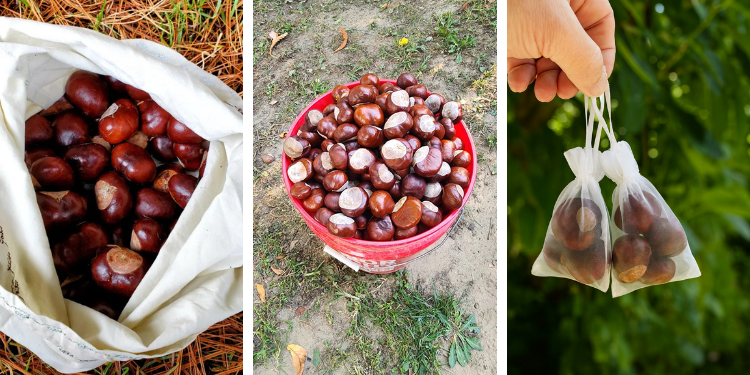
Every autumn, glossy brown wild chestnuts – known to many as conkers – begin to tumble from the horse chestnut trees that line roadsides, parks, and countryside lanes. Their rich color and smooth texture are a sure sign that fall has arrived.
But beyond their nostalgic charm, these humble nuts have long held a special place in traditional households.
For centuries, people have hung bags of wild chestnuts in their homes – not for decoration, but for their surprisingly powerful natural benefits.
The Secret Power Inside Wild Chestnuts
While wild chestnuts (also known as horse chestnuts) are inedible for humans, they contain a fascinating natural compound called triterpenoid saponin – a plant-based chemical with powerful cleansing and insect-repelling properties.
When chestnuts begin to dry out, they slowly release these saponins into the air. The scent is barely noticeable to humans, but it’s highly unpleasant to moths, spiders, and other small insects.
1. A Natural Moth Repellent That Really Works
One of the best reasons to hang a bag of wild chestnuts in your home is their ability to repel moths – the tiny fabric-eating pests that can silently ruin your favorite clothes, blankets, and upholstery.
How It Works
The saponins inside the chestnuts act as a natural insect deterrent. As the chestnuts dry, these compounds evaporate slowly, releasing a subtle odor that moths find unpleasant.
Unlike chemical mothballs, which contain toxic substances like naphthalene or paradichlorobenzene, wild chestnuts are non-toxic, natural, and safe for children and pets.
How to Use Them:
- Collect fresh wild chestnuts in early autumn (look for shiny, firm ones).
- Place 5–8 in a small cloth or mesh bag.
- Hang the bag in your wardrobe, closet, or linen cupboard.
- Replace every 6–8 weeks, or when the chestnuts begin to shrivel.
Bonus Tip: Cut the chestnuts in half before placing them in the bag to release more scent and increase their potency.
2. Keeps Spiders Away Naturally
Autumn is spider season – and if you dread seeing them sneak indoors, wild chestnuts may be your new favorite natural remedy.
Many people swear that placing conkers near windowsills, doors, or hanging small bags in corners keeps spiders at bay.
Though science hasn’t conclusively proven it, it’s believed the triterpenoid saponins act as a mild deterrent.
How to Use:
- Hang small bags of chestnuts near windows, ceilings, or entry points.
- Replace every few weeks for continued effectiveness.
Tip: Pair chestnuts with essential oils like peppermint or eucalyptus for an even stronger anti-spider effect.
3. Natural Air Freshener for Your Home
Wild chestnuts add a subtle, earthy aroma to your space – the kind that instantly evokes fall.
When stored in cloth or jute bags, they absorb musty odors and gently freshen the air without synthetic perfumes.
To create a natural air freshener:
- Combine dried conkers with dried herbs (like rosemary or lavender) and a few drops of essential oil.
- Place the mixture in small sachets and hang them in wardrobes, bathrooms, or hallways.
Tip: Conkers pair beautifully with warm fall scents like clove, cinnamon, or orange peel. You can even add them to a bowl of potpourri for a seasonal centerpiece.
4. Decorative Autumn Charm
Even if you don’t use them for their natural benefits, wild chestnuts are simply beautiful. Their deep brown shine adds warmth to any fall decor.
You can use them to:
- Fill glass jars, bowls, or vases for rustic seasonal displays.
- Hang small conker-filled sachets from wardrobe doors or coat hooks.
- Combine with pinecones, dried leaves, and acorns for a cozy autumn centerpiece.
Bonus: Add fairy lights or dried orange slices to elevate the look for the holidays.
5. Symbolic and Traditional Good Luck Charm
In old European folklore, chestnuts were believed to bring good fortune and ward off negative energy.
People used to keep one in their pocket to protect against illness and bad luck – and hanging a bag in the home was seen as a way to keep the house peaceful and protected throughout the colder months.
While these traditions are more symbolic than scientific, they add a sense of seasonal ritual and mindfulness – reminding us to embrace nature’s rhythms as the year winds down.
6. Helps Absorb Dampness and Musty Odors
Wild chestnuts can help reduce musty smells in wardrobes or small spaces. Because they are porous, they absorb moisture from the air, helping to prevent mold and mildew buildup.
How to Use:
- Place dried conkers in a linen or paper bag.
- Hang inside closets, cupboards, or shoe racks to absorb excess humidity.
- Replace every few weeks to keep them fresh.
This simple trick is especially helpful during the damp autumn season when homes tend to trap more moisture.
7. A Natural Addition to Eco Cleaning
Beyond hanging them in bags, wild chestnuts can also be used to make a natural, biodegradable soap or detergent – thanks to their natural saponins.
Here’s how you can make your own eco-cleaning solution:
- Crush 5–6 conkers into small pieces.
- Add them to 2 cups of warm water.
- Let soak overnight, then strain the liquid.
- Use the milky solution as a gentle household cleaner or laundry detergent.
Tip: Add a few drops of lemon or tea tree essential oil for scent and extra antibacterial properties.
This DIY cleaner is perfect for light cleaning tasks and ideal for anyone looking to reduce chemical use in their home.
8. Soothe Tired Legs and Improve Circulation (Topical Use)
Horse chestnut extract is a well-known herbal remedy for improving blood circulation and easing leg fatigue or swelling.
The key compound responsible is aescin (escin), which helps strengthen vein walls and reduce inflammation.
While you should never use raw chestnuts internally, horse chestnut creams or gels available in health stores can be applied topically to:
- Relieve tired or heavy legs
- Reduce varicose vein discomfort
- Calm inflammation after standing long hours
Tip: Always follow product directions and consult a healthcare provider if you have circulatory conditions.
9. Add to Drawers or Linen Closets
Placing small bags of conkers between linens or clothing helps keep your textiles fresh while deterring insects.
They’re especially useful for natural fibers like wool or silk, which moths love.
How to Use:
- Place 3–5 chestnuts inside a breathable fabric pouch.
- Keep one in each drawer or linen shelf.
- Refresh every few months as scent fades.
Bonus: For a fragrant touch, add lavender buds or cedarwood chips to the bag.
10. Compost or Garden Use
Once your conkers have lost their potency, don’t throw them away – recycle them into your garden.
Crushed chestnuts can be:
- Added to compost piles (they decompose slowly, improving structure).
- Mixed into soil for aeration and to deter certain soil pests naturally.
Tip: Break them into smaller pieces before composting to help them degrade faster.
11. Wild Chestnuts in Folklore and Folk Medicine
Horse chestnuts have a rich history in European folklore. They were often considered symbols of protection and vitality.
In rural traditions:
- Conkers hung above doorways were said to protect the home from illness.
- Some believed keeping a chestnut in your pocket could ward off colds or rheumatism.
- Hanging them in the home was a way to honor nature’s cycle – a sign that the harvest season was ending and the time for rest had begun.
While these beliefs are largely symbolic, they reflect how deeply people once lived in tune with nature – using seasonal plants not just for practical use, but for emotional comfort and protection.
12. How to Hang a Bag of Wild Chestnuts in Your Home
If you’d like to try this timeless autumn tradition, here’s how to do it simply and beautifully.
What You’ll Need:
- 10–12 fresh wild chestnuts
- A small cotton, jute, or mesh bag
- Ribbon or twine for hanging
Steps:
- Collect shiny, firm conkers in early autumn.
- Let them air-dry for a few days.
- Place them in your chosen bag – optionally add a few drops of essential oil for scent.
- Hang the bag in your wardrobe, entryway, or near windows.
Pro Tip: Replace every 6–8 weeks to maintain effectiveness – the fresher the chestnuts, the stronger their natural properties.
13. The Difference Between Edible and Wild Chestnuts
Before collecting, it’s crucial to distinguish between wild horse chestnuts (inedible) and sweet chestnuts (edible).
| Feature | Horse Chestnut (Wild/Conker) | Sweet Chestnut (Edible) |
|---|---|---|
| Scientific Name | Aesculus hippocastanum | Castanea sativa |
| Shell | Thick, spiny with a few large nuts | Thin, finely spiked, several smaller nuts |
| Taste | Bitter and toxic (contains aesculin) | Sweet and edible |
| Use | Home remedies, cleaning, decoration | Roasting, cooking, baking |
Never eat wild chestnuts. They are toxic if ingested, though completely safe for external or household use.
14. Eco-Friendly and Budget-Friendly Living
In a world filled with chemical air fresheners and synthetic moth repellents, wild chestnuts offer a return to simplicity. They’re:
- 100% biodegradable
- Free to collect
- Non-toxic and safe for pets
- Completely zero waste
Using natural seasonal materials like conkers helps you connect with the rhythm of nature, reduce environmental impact, and bring an authentic touch of autumn into your living space.
Hanging a bag of wild chestnuts in your home this fall is more than just an old-fashioned habit – it’s a gentle nod to nature’s wisdom.