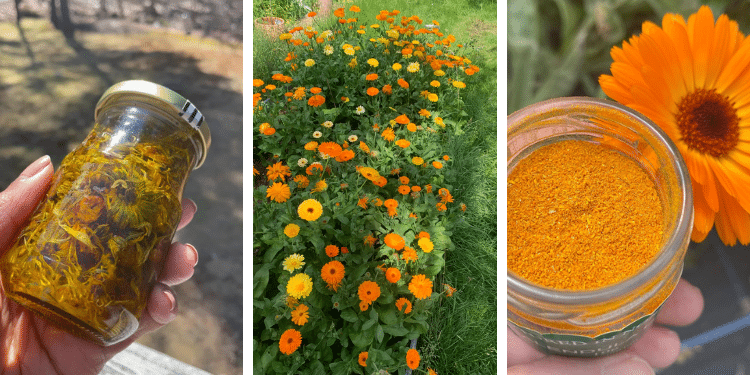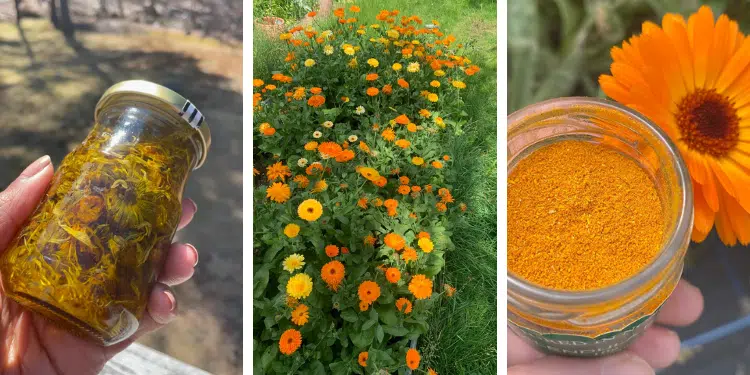
Calendula, often called pot marigold, is one of the most valuable and underrated plants you can grow in your garden.
With its bright orange and golden blooms, it brings instant cheer to garden beds – but its beauty is only the beginning.
For centuries, calendula has been prized for its powerful healing properties, culinary uses, soil benefits, and pollinator-friendly nature.
It’s a plant that supports your garden, your health, and your home in more ways than most gardeners realize.
Here’s why every gardener should grow this remarkable healing flower.
A Healing Flower with Ancient Roots
Calendula has been used in herbal medicine for thousands of years. Ancient Egyptians, Greeks, and medieval healers all relied on it for wound care, skin health, and immunity support.
Today, it remains one of the most widely used herbs in natural skincare products.
Its healing power comes from compounds such as:
- flavonoids
- carotenoids
- triterpenoids
- essential oils
- antioxidants
These compounds give calendula strong anti-inflammatory, antimicrobial, and skin-regenerating properties – making it one of the gentlest yet most effective medicinal herbs you can grow at home.
1. Calendula Is One of the Easiest Flowers to Grow
If you’re looking for a low-maintenance plant that thrives with little effort, calendula is ideal. It grows well in most climates, adapts to different soils, and blooms from early summer until frost.
Why gardeners love it:
- thrives in poor or average soil
- tolerates cool weather better than most flowers
- grows quickly from seed
- blooms generously with minimal care
Even beginner gardeners can grow calendula successfully.
2. Its Flowers Are Packed with Healing Benefits
Calendula is famous for its skin-healing power. The petals contain natural compounds that help soothe and repair skin.
Calendula helps with:
- cuts and scrapes
- burns and sunburn
- dry or irritated skin
- diaper rash
- insect bites
- swelling and inflammation
- minor infections
You can use calendula to make:
- salves
- balms
- lotions
- infusions
- herbal oils
- teas
- compresses
Few garden flowers offer such a wide range of natural remedies.
3. Calendula Makes a Powerful Homemade Skin Salve
One of the best reasons to grow calendula is its ability to create healing oil and salves. Calendula-infused oil is a wonderful base for homemade:
- moisturizing balms
- lip treatments
- after-sun care
- first-aid ointments
- anti-inflammatory creams
The process is simple: dry the petals, infuse them in oil for several weeks, and strain. This golden herbal oil becomes one of the most useful natural products in your home.
4. It Attracts Pollinators and Beneficial Insects
Calendula is a magnet for bees, butterflies, and hoverflies. Its long blooming season ensures constant nectar and pollen for pollinators.
It also attracts beneficial insects like:
- ladybugs
- lacewings
- parasitic wasps
These insects help control aphids, whiteflies, and other garden pests – greatly reducing the need for sprays or chemicals.
Calendula is especially valuable in vegetable gardens, where it supports tomato, squash, pepper, and herb crops.
5. Calendula Improves Soil and Protects Your Plants
Calendula has natural pest-repelling abilities. Its roots release compounds that deter certain nematodes and soil pests.
When planted near vegetables, calendula helps create a healthier, more balanced garden environment.
Its flowers can also be chopped and added to compost to enrich it with beneficial nutrients.
This makes calendula a natural “companion plant” with multiple garden benefits.
6. It’s Edible – and Delicious
Many gardeners don’t realize that calendula is edible. Its petals add color, flavor, and nutrition to meals.
You can use calendula petals in:
- salads
- soups
- rice dishes
- omelets
- teas
- herbal blends
- homemade butter
- bread and pastries
The petals taste slightly peppery and earthy – similar to saffron – and add a vibrant golden color to food.
7. Calendula Supports Digestive and Immune Health
In traditional herbal medicine, calendula tea has been used to support:
- digestion
- liver health
- immune function
- lymphatic system cleansing
- oral health
Its anti-inflammatory and antimicrobial properties make it helpful for sore throats, gum irritation, and soothing the stomach.
8. It Blooms for Months with Minimal Effort
Few flowers bloom as consistently and generously as calendula. From early summer until the first frost, calendula produces wave after wave of bright blooms.
To extend blooming:
- deadhead spent flowers regularly
- harvest petals often
- provide moderate watering
- plant in full sun
The more you pick calendula, the more it blooms – making it perfect for both ornamental and herbal gardens.
9. It Reseeds Easily for Free Plants Every Year
Calendula is an annual, but it reseeds so easily that it behaves like a perennial. Once you grow calendula, you’ll likely never have to buy seeds again.
Simply allow a few flowers to dry naturally on the plant. The seeds will fall, take root, and return the following spring.
This self-sustaining cycle makes calendula one of the most rewarding flowers for long-term gardeners.
10. It Brings Vibrant Color and Cheer to Any Garden
Beyond all its healing and herbal uses, calendula is simply a stunning plant. Its bright, sun-colored flowers instantly lift the mood of any garden space.
Calendula looks beautiful in:
- cottage gardens
- herb beds
- vegetable gardens
- borders
- pots and containers
- pollinator gardens
Its cheerful blooms are especially welcome in early summer and late fall when many flowers fade.
Calendula is much more than a pretty flower – it’s a healing herb, a powerful companion plant, a pollinator magnet, and a home remedy staple.