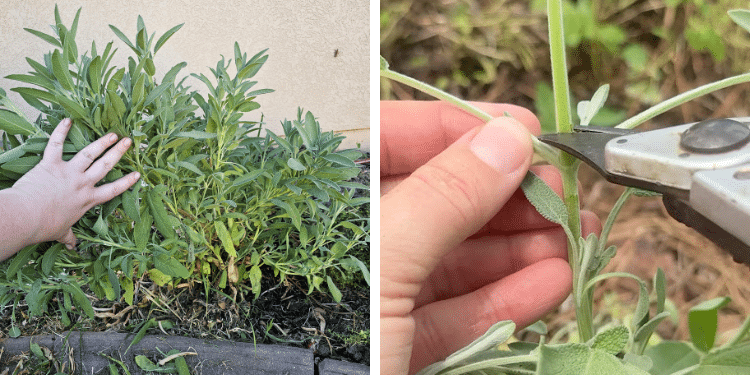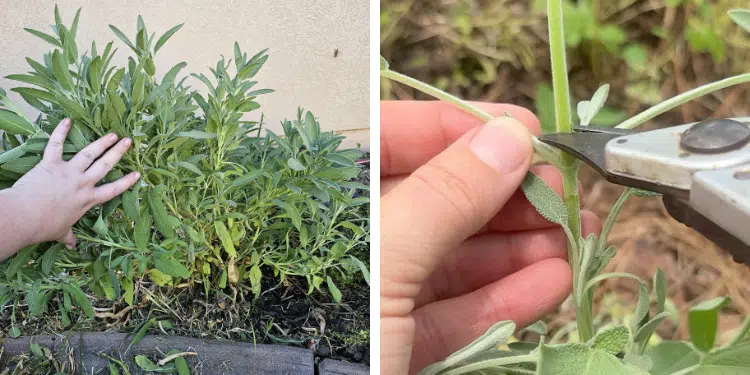
Growing herbs is one of the easiest and most satisfying parts of gardening – but there’s one lesson I learned the hard way: if you want your herbs to explode with growth in spring, you must cut them back in November.
While most people stop tending their herbs as the weather cools, experienced gardeners know that late autumn is the perfect time for a deep prune that strengthens the plants, protects them through winter, and sets them up for vigorous regrowth in the warmer months.
Cutting herbs back in November is a simple act, but it has a massive impact – and once you understand the science behind it, you’ll never skip this step again.
November Is a Natural Transition Month for Herbs
By the time November arrives, most herbs have passed their peak growing season.
They are preparing for dormancy, redirecting their energy away from producing new leaves and toward protecting their roots for winter.
This makes November the ideal time to prune because:
- Growth slows down
- Energy is concentrated in the root system
- Cooler temperatures reduce pruning stress
- Plants are entering their rest cycle
- Pests and diseases are less active
Pruning at this specific moment strengthens the plant instead of stressing it. You’re essentially helping your herbs conserve energy by removing old, woody, or unproductive growth.
When spring returns, the plant wakes up refreshed – and ready to grow with double the strength.
1. Cutting Back Herbs in November Prevents Winter Dieback
If you’ve ever noticed your herbs turning brown, leggy, or lifeless over winter, you’re not alone. Untrimmed herbs often suffer from winter dieback, which happens when the cold damages weak or overgrown stems.
Pruning in November helps prevent this by:
- Removing vulnerable top growth
- Reducing the plant’s exposure to frost
- Strengthening the core structure
- Encouraging the herb to direct energy downward into the roots
Strong roots = healthy spring growth.
Weak, winter-damaged stems = slow or uneven growth.
Pruning makes sure your herbs enter winter in their strongest possible state.
2. Herbs Become Bushier and Fuller in Spring (Not Tall and Spindly)
Many herbs – especially mint, rosemary, thyme, basil (in warm climates), oregano, sage, and lemon balm – tend to grow leggy by the end of the season. If left uncut, they become thin, tall, and sparsely filled.
Cutting back in November encourages:
- New side shoots
- Dense leaf production
- Compact, bushy growth
- Stronger structure
- More flavorful leaves
Herbs respond to pruning by branching. When you remove the top growth, the plant redistributes its energy into multiple new shoots instead of a single tall stem.
By spring, this results in herbs that are twice as full – producing more leaves in less time.
3. Late-Season Pruning Protects Rosemary, Thyme & Oregano From Woodiness
Many perennial herbs become woody over time, especially:
- Rosemary
- Thyme
- Oregano
- Sage
- Savory
Once stems turn woody, they:
- Produce fewer leaves
- Grow less vigorously
- Become more vulnerable to cold weather
- Lose flavor intensity
Pruning these herbs in November removes the oldest, least productive growth and encourages new green stems to form near the base.
These young stems:
- Survive winter better
- Produce more foliage
- Lead to a bigger harvest
- Keep the plant young and healthy
This single step dramatically increases the lifespan of perennial herbs.
4. November Pruning Helps Prevent Mold, Fungus & Root Rot
Dense, overgrown herbs trap moisture around the base of the plant – which is a major problem during cold, wet months.
Pruning in November improves airflow around the plant and reduces the risk of:
- Powdery mildew
- Black spot
- Root rot
- Stem rot
- Fungal infections
This is especially important for herbs like:
- Mint
- Lemon balm
- Cilantro
- Parsley
- Dill
These herbs become overcrowded easily, and pruning them back prevents disease from taking hold during winter dormancy.
5. Trimming Herbs Encourages Root Expansion (the True Source of Spring Growth)
Most people focus on leaves, but the real strength of an herb lies in its roots. When you cut back herbs in November, you trigger a biological response:
The plant sends all its energy downward.
This leads to:
- Faster root expansion
- Stronger root anchoring
- Better nutrient absorption
- More vigorous spring growth
By the time spring arrives, the herb has a powerful root system ready to fuel explosive top growth.
This is why pruned herbs grow twice as fast – their foundation is stronger.
6. It Helps Control Invasive Herbs Like Mint & Lemon Balm
If you grow mint, you already know how quickly it can take over a garden. Lemon balm behaves the same way.
Cutting these herbs back in November helps you:
- Control their spread
- Prevent root runners from taking over
- Keep the plant compact and manageable
- Stop them from smothering nearby plants
Pruning doesn’t just boost growth – it keeps aggressive herbs from dominating your garden in spring.
7. November Pruning Prepares Herbs for Overwintering Indoors
If you bring herbs indoors for winter, pruning is essential.
Cutting them back:
- Reduces shock
- Helps the plant adapt to indoor light
- Prevents pests from hitchhiking inside
- Reduces water needs
- Keeps the plant compact for windowsills
Whether you overwinter rosemary, basil, thyme, oregano, or mint indoors, pruning in November ensures a smooth transition and healthier winter growth.
How to Cut Back Specific Herbs in November
Each herb responds slightly differently to pruning. Here’s how to do it right:
Rosemary
- Cut back up to ⅓ of the plant
- Never cut into old wood
- Remove dry or woody stems
This keeps rosemary bushy and prevents winter damage.
Thyme
- Cut back half of the top growth
- Avoid cutting the oldest woody stems
- Shape the plant into a tight mound
Thyme responds beautifully to November pruning.
Oregano
- Cut the plant back to 2–3 inches above the soil
- Remove thin, weak stems
- Keep only strong green shoots
Oregano becomes dense and vigorous after a fall cut.
Mint
- Cut mint down to 1–2 inches above soil
- Remove all diseased or spotted leaves
- Thin out runners
Mint will explode with fresh growth in spring.
Sage
- Trim back ⅓ of the plant
- Avoid cutting into old, thick wood
- Remove faded flower stalks
This prevents winter dieback and keeps sage vibrant.
Parsley & Cilantro
These are biennial and cool-season herbs.
- Remove yellow leaves
- Trim lightly to encourage winter regrowth
- Do not cut too hard – these herbs prefer mild pruning
In mild climates, they continue producing through winter.
What NOT to Cut in November
Some herbs should not be pruned late in the season:
- Basil (prune before first frost, not after)
- Tarragon (wait until early spring)
- Chives (cut in early fall, not late fall)
These herbs either dislike cold pruning or respond better in spring.
Extra November Herb-Care Tips for Best Results
To maximize growth next spring:
Add a light mulch
Straw or leaves protect roots during winter freezes.
Remove fallen leaves around herbs
Wet piles of leaves encourage rot.
Improve soil with compost
Herbs appreciate nutrient-rich soil when they wake up in spring.
Check for pests
Aphids, whiteflies, and spider mites hide in dense herb foliage – pruning exposes and reduces them.
Water lightly
Herbs need moisture in fall but never soggy soil.
These steps ensure a healthier winter and a much stronger spring revival.
After years of gardening, I can say with confidence that pruning herbs in November is one of the most powerful habits you can adopt.
It keeps your plants healthy, prevents disease, controls growth, and transforms the way your herbs perform when spring returns.