If you’ve ever watched an experienced gardener tend to their plants in early spring or late winter, you may notice a simple ritual: sprinkling a handful of wood ash around the base of certain plants.
It’s an old practice, used long before modern fertilizers existed, yet it remains one of the most effective and underrated gardening tricks today.
Wood ash – the soft, gray powder left after burning untreated wood – is far more valuable than it looks.
Wood Ash: A Simple Material With Complex Benefits
Wood ash contains a mix of minerals left after the carbon-based parts of the wood burn away. These minerals include:
- Potassium (potash)
- Calcium carbonate
- Magnesium
- Phosphorus
- Trace micronutrients
In many ways, wood ash behaves like a natural, slow-releasing, organic fertilizer. But its benefits extend far beyond plant nutrients.
Here are the underrated ways wood ash helps the garden – and how you can use it safely and effectively.
1. Wood Ash Improves Soil pH Naturally (Especially in Acidic Soils)
One of the biggest reasons gardeners use wood ash is its ability to raise soil pH. Wood ash acts like agricultural lime, meaning it helps neutralize acidic soil.
This is incredibly important because many garden soils are too acidic after years of rain, fertilizer use, and organic breakdown.
When soil becomes too acidic:
- Nutrients become “locked” and unavailable
- Roots struggle to absorb minerals
- Plants grow slower and weaker
- Yields shrink
- Soil biology declines
Scatter a thin layer of wood ash, and the soil begins to rebalance. This makes nutrients more accessible and creates a better growing environment for many common crops.
Plants That Love Wood Ash:
- Tomatoes
- Peppers
- Cucumbers
- Onions
- Brassicas (broccoli, cabbage, kale, cauliflower)
- Root vegetables (carrots, beets, radishes)
- Fruit trees
- Lavender
- Lilacs
- Herbs like rosemary, thyme, sage
If your garden struggles with acidity, wood ash is one of the easiest natural corrections.
Important: Never use wood ash around acid-loving plants such as blueberries, azaleas, rhododendrons, camellias, or hydrangeas that prefer acidic soil.
2. It Adds Potassium – One of the Most Overlooked Plant Nutrients
Most gardeners know about nitrogen and phosphorus, but potassium is equally important – and wood ash is loaded with it.
Potassium helps plants:
- Develop strong roots
- Resist disease
- Regulate water uptake
- Grow thicker stems
- Produce more fruit and blooms
- Improve flavor in vegetables and berries
- Increase overall resilience
This is why wood ash is especially treasured for:
- Fruit trees
- Flowering perennials
- Tomato plants
- Squash and zucchini
- Potatoes (lightly – too much can cause scab)
Instead of buying potassium fertilizer, many gardeners use wood ash freely as a natural, free alternative.
3. Wood Ash Deters Slugs, Snails, and Soft-Bodied Pests
This is one of the most underrated uses of wood ash. Few people realize it’s a natural pest barrier, especially for moisture-loving pests like:
- Slugs
- Snails
- Soft-bodied larvae
- Some caterpillars
When these pests crawl over wood ash, the powder dries out their bodies and discourages them from coming near the plants.
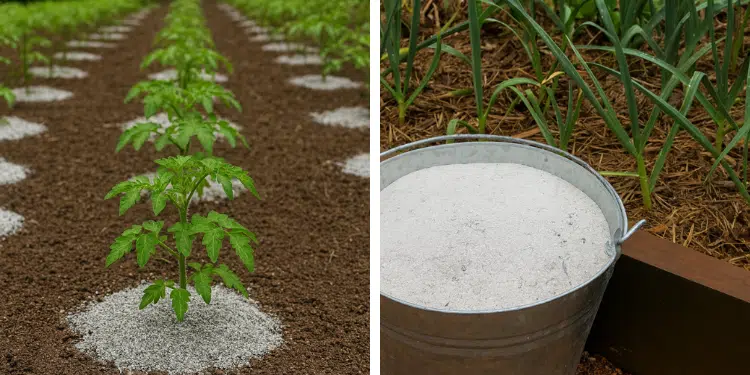
Scatter wood ash in:
- Circles around vulnerable seedlings
- Rings around lettuce, hostas, spinach, and basil
- Thin lines near garden borders
It works similarly to diatomaceous earth but is gentler, free, and completely natural.
Tip: Reapply after rain, since moisture reduces its effectiveness.
4. It Strengthens Root Development and Promotes Vigorous Growth
Because wood ash contains calcium and essential trace minerals, it acts as a soil tonic. Plants use calcium to:
- Build thicker cell walls
- Strengthen root tips
- Prevent disease
- Support growth during stressful weather
This is why gardeners often sprinkle wood ash lightly around:
- Tomato plants (to reduce blossom-end rot)
- Peppers
- Fruit trees
- Berry bushes
- Squash and melons
It’s not a complete substitute for calcium-rich fertilizers, but it provides a helpful boost – especially in soils that are low in minerals.
5. Wood Ash Helps Break Down Compost Faster
If you compost, wood ash is one of the easiest ways to speed up decomposition.
A small amount added to compost will:
- Balance acidity
- Boost microbial activity
- Supply essential minerals
- Reduce odor
- Help break down tough plant material faster
A healthier compost pile means richer nutrients for your garden later.
Just avoid adding too much – a handful per layer is enough.
6. Wood Ash Prevents Certain Fungal Problems
Because ash raises pH and dries surfaces, it can help suppress fungal issues on and around plants.
Gardeners use wood ash to help with:
- Powdery mildew
- Root rot in excessively acidic soil
- Soil-borne fungal issues
- Mold near the soil surface
It doesn’t replace proper plant care, but it can help create conditions where fungi struggle to thrive.
7. It’s Completely Organic and 100% Free
Compared to store-bought fertilizers, wood ash:
- Costs nothing
- Contains no synthetic chemicals
- Is gentle on plants
- Improves soil long-term
- Recycles a natural waste product
- Reduces landfill waste
For gardeners practicing sustainable methods or organic gardening, this is one of the most valuable backyard resources available.
As long as it comes from:
- Untreated wood
- Natural firewood
- Hardwood branches
- Charcoal without additives (not briquettes)
…it’s perfectly safe for use around plants.
How to Scatter Wood Ash Correctly (So You Don’t Damage Plants)
Using wood ash is easy, but there are a few important guidelines to follow.
Use Very Thin Layers
A light sprinkle – enough to dust the soil – is ideal. Too much ash can raise pH too quickly.
Mix It Into the Soil for Best Absorption
If using large amounts, blend it into the top 2–3 inches.
Never Add Ash to Wet Soil
This can create caustic conditions. Scatter on dry soil only.
Wear gloves when handling
Wood ash is alkaline and can dry out the skin.
Avoid direct contact with stems and leaves
It can burn tender plant tissue if applied heavily.
Don’t use near acid-loving plants
Blueberries, hydrangeas, azaleas, rhododendrons, and potatoes (in excess) do not like alkaline boosts.
Test your soil pH if unsure
If your soil is already neutral or alkaline, skip the ash.
Best Places to Scatter Wood Ash in the Garden
Gardeners typically use wood ash around:
Vegetable beds
Especially brassicas, root crops, nightshades, and squash.
Fruit trees
Sprinkle in a ring around the drip line.
Berry bushes
Except blueberries, which need acidic soil.
Flower beds
Roses, lavender, lilies, peonies, lilacs, and other alkaline-loving flowers benefit greatly.
Compost piles
A handful every few layers accelerates decomposition.
Garden paths
Great for pest control.
Containers or raised beds
Use sparingly – a tablespoon or two per container.
How Much Wood Ash Should You Use?
General guideline:
1 cup of wood ash per square yard of soil once or twice per year
Light, frequent applications are better than heavy dumping.
Wood ash might look like a simple byproduct of a fire, but in the garden, it becomes a powerful natural ally.
From improving soil structure and raising pH to adding essential minerals, deterring pests, and boosting plant health, its benefits are truly impressive.