Gardeners are always looking for organic, cost-effective ways to enrich their soil and boost plant health. One of the most overlooked yet incredibly effective solutions is something you may already have on hand – wood ash.
Whether from your fireplace, wood stove, or backyard fire pit, wood ash is a natural powerhouse filled with essential minerals that your plants love.
But not every plant benefits from ash. Some plants prefer acidic conditions, while others thrive in the more alkaline, potassium-rich environment that ash creates.
In this article, we’ll break down the benefits of using ash in the garden, safety precautions to follow, and the 7 specific plants that thrive when fed with this free, eco-friendly fertilizer.
Let’s dive into why every gardener should use wood ash—and how to apply it properly to get the best results.
What Is Wood Ash?
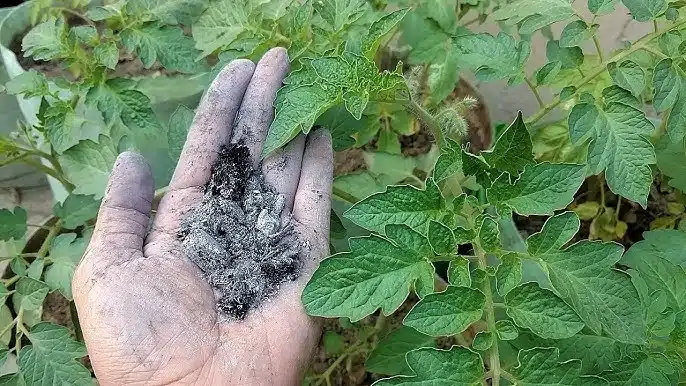
Wood ash is the powdery residue left behind after burning untreated, natural wood. It’s not just burnt waste – it’s packed with nutrients that are extremely beneficial for your garden, especially if you’re aiming for a more sustainable and organic approach to plant care.
Nutrients in Wood Ash:
- Potassium (K): Essential for fruiting and flowering
- Calcium (Ca): Improves soil structure and pH balance
- Magnesium (Mg): Important for photosynthesis
- Phosphorus (P): Supports root development
- Micronutrients: Including manganese, zinc, and iron
Fun Fact: Wood ash can contain up to 5% potassium, making it a fantastic substitute for store-bought potash-based fertilizers.
Important Note Before You Start
Before sprinkling ash across your garden beds, it’s crucial to understand that wood ash raises soil pH.
It makes the soil more alkaline, so it should only be used in moderate to acidic soils and never on acid-loving plants like blueberries or azaleas.
Never Use Ash From:
- Charcoal briquettes with chemical additives
- Treated, painted, or stained wood
- Fireplaces with synthetic logs or starter fluids
Always use ash from clean, untreated wood only.
Benefits of Using Ash in the Garden
Using ash in the garden offers multiple benefits, especially when used responsibly.
1. Increases Soil pH
If your soil is too acidic, wood ash can naturally neutralize acidity, improving nutrient availability and microbial health.
2. Adds Potassium for Flowering and Fruiting
Potassium is vital for strong root development, flowering, and disease resistance. Ash delivers a good dose without synthetic fertilizers.
3. Improves Soil Texture
Ash contains calcium carbonate, which helps break up heavy clay soils and improve drainage.
4. Acts as a Pest Deterrent
Sprinkle a fine layer of ash around plants to repel slugs, snails, and soft-bodied insects. Ash dries them out and creates a physical barrier.
5. Reduces Odors in Compost
Adding ash to compost helps balance pH and control odors, especially if you’re composting acidic kitchen scraps.
7 Plants That Thrive with Wood Ash Fertilizer
Not all plants are created equal when it comes to wood ash. The following seven plants prefer slightly alkaline soil conditions and benefit significantly from the potassium and calcium content in wood ash.
1. Tomatoes (Solanum lycopersicum)
Tomatoes are heavy feeders that love potassium-rich soil. Adding ash helps strengthen their stems, boost flowering, and enhance fruit development.
How to Use Ash for Tomatoes:
- Sprinkle a small amount (1/4 cup) of wood ash into the planting hole when transplanting seedlings.
- Side-dress plants mid-season with ½ cup per plant.
- Water thoroughly after application.
Tip: Don’t apply ash to tomatoes with blossom end rot—this may be caused by uneven calcium, and ash can worsen imbalances if overused.
2. Garlic (Allium sativum)
Garlic thrives in neutral to slightly alkaline soils and benefits from calcium and sulfur in wood ash. Applying ash helps garlic bulbs develop plump and disease-resistant.
How to Apply:
- Work 1–2 cups of wood ash into the soil before planting in fall.
- Apply a light dusting in early spring when growth begins.
3. Carrots (Daucus carota)
Carrots need loose, well-draining soil with minimal acidity. Potassium helps them grow long, firm, and flavorful roots.
Application Tips:
- Add a small amount of ash to carrot beds before sowing seeds.
- Avoid high nitrogen levels that encourage leaf growth over root development.
Bonus Benefit: Ash helps repel carrot rust flies and nematodes.
4. Peas (Pisum sativum)
Peas love potassium, and ash provides the extra boost they need for vigorous flowering and pod production.
How to Use:
- Mix ½ to 1 cup of ash into the soil where you’ll plant peas.
- Reapply as a side-dressing once flowering starts.
Peas are also nitrogen-fixers, so combining them with ash helps balance soil nutrients.
5. Asparagus (Asparagus officinalis)
Asparagus is a perennial crop that prefers slightly alkaline soil and benefits from calcium and phosphorus.
Use Guidelines:
- Apply 1–2 cups per square yard in early spring before spears emerge.
- Incorporate into the soil with a rake.
Ash helps promote thicker, more robust asparagus stalks.
6. Grapes (Vitis vinifera)
Grape vines need calcium and potassium for root health and fruit development. Ash helps sweeten the grapes by balancing soil nutrients.
Application:
- Apply 2 cups of ash per vine in early spring.
- Water in deeply and avoid applying close to the trunk.
7. Brassicas (Cabbage, Kale, Broccoli, Cauliflower)
Brassicas prefer slightly alkaline soils and are highly responsive to potassium. Ash supports dense head formation and pest resistance.
How to Use:
- Mix ash into the soil before transplanting brassica seedlings.
- Add 1 cup per square yard.
- Reapply mid-season for long-season varieties like cabbage.
Bonus: Ash deters slugs and cabbage worms when sprinkled around the base.
Plants That Don’t Like Ash
Avoid applying ash to these acid-loving or sensitive plants:
- Blueberries
- Rhododendrons
- Azaleas
- Hydrangeas (blue varieties)
- Potatoes – Wood ash can promote scab disease
- Strawberries
- Raspberries
How to Test Your Soil’s pH Before Using Ash
Before adding ash, test your soil’s pH using a DIY test kit or digital pH meter. Ideal soil pH levels:
| Crop Type | Ideal pH Range |
|---|---|
| Tomatoes, garlic | 6.0 – 7.0 |
| Brassicas | 6.5 – 7.5 |
| Grapes | 6.0 – 7.5 |
| Blueberries | 4.5 – 5.5 (avoid ash!) |
If your soil is already alkaline (above 7.5), skip the ash or use sparingly in compost.
How to Apply Wood Ash Safely in the Garden
Application Guidelines:
- Use no more than 10–15 lbs per 1,000 square feet per year.
- Apply in small doses. Too much can raise pH quickly.
- Mix into the soil. Don’t leave ash on the surface – it can blow away or damage seedlings.
- Avoid applying ash before rain. It can leach into waterways and cause runoff issues.
Do Not:
- Combine wood ash with nitrogen-rich fertilizers (like urea or ammonium sulfate).
- Use ash near acid-loving plants.
- Apply fresh ash to young seedlings or delicate roots.
Wood Ash in Compost: A Powerful Booster
You can also add small amounts of ash to your compost bin to balance acidic materials like coffee grounds, fruit peels, or pine needles.
Composting Tips:
- Add 1 cup of ash for every 1 cubic foot of compost.
- Mix thoroughly to prevent alkaline pockets.
- Avoid using ash in worm bins – it can irritate worms.
DIY Uses of Wood Ash in the Garden
Aside from fertilizing, ash has other clever garden uses:
Pest Barrier
Sprinkle a circle of ash around plants to deter slugs, ants, and soft-bodied pests.
Ice Melt Alternative
In winter, use ash to melt ice on garden paths – it’s safe for plants and pets.
Odor Neutralizer
Sprinkle in compost or near pet waste areas to absorb bad smells.
Using wood ash in your garden is an age-old practice that provides modern benefits.
From enriching soil with potassium and calcium to controlling pests and boosting blooms, wood ash is one of the most valuable organic fertilizers you can use – especially if you apply it to the right plants.