As the winter months settle in, many indoor gardeners begin to notice an unwelcome guest in their plant pots: white mold on the soil surface. This fluffy, white growth is a common problem during the colder months, but it can be not only unsightly but also harmful to plants if not addressed promptly.
Fortunately, there are quick and effective solutions to tackle this issue. With the start of a new year, it’s the perfect time to refresh your plant care routine and ensure your indoor garden stays healthy and vibrant. In this article, we’ll explore what causes white mold, why it’s more prevalent in winter, and a variety of strategies to eliminate it fast.
1. What That White Fuzzy Mold on Your Soil Actually Is
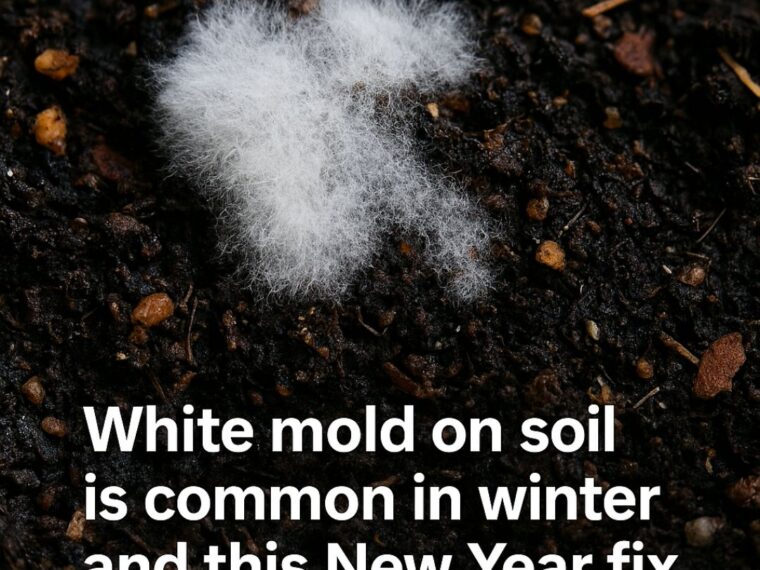
The white mold that often appears on the surface of potting soil is typically a type of saprophytic fungus. These fungi feed on decaying organic matter in the soil, such as peat, wood chips, or plant debris, and thrive in moist, humid conditions. While not directly harmful to plants, their presence can indicate underlying issues with soil moisture and ventilation.
This mold is often mistaken for more serious fungal infections, but it primarily affects the surface of the soil and does not usually penetrate deeper. It can appear as a fluffy, white, cotton-like growth, and while it might be tempting to scrape it away, understanding and addressing the root cause is key to preventing its return.
2. Why White Mold Shows Up More Often in Winter
White mold appears more frequently in winter due to a combination of factors that create ideal conditions for fungal growth. During the colder months, many indoor environments become more humid as people close windows and increase heat, leading to less air circulation. This trapped moisture, coupled with overwatering—a common mistake made by plant owners in winter—creates a perfect breeding ground for mold.
Additionally, plants often receive less sunlight in winter, which can slow down their growth and reduce the rate at which they absorb water from the soil. This can result in the soil staying wetter for longer periods, further encouraging mold growth.
3. The New Year Fix: A Simple Top-Layer Reset That Stops Mold Fast
One effective way to combat white mold is to perform a top-layer reset of your potting soil. This involves carefully removing the top layer of soil, usually about 1 to 2 inches, where the mold is most concentrated. Be sure to discard this soil properly to prevent the spread of mold spores.
Once removed, replace the top layer with fresh, sterile potting mix. This not only eliminates the existing mold, but also helps to refresh the soil’s nutrient content. It’s a simple yet powerful method to quickly restore your plant’s environment to a healthy state.
4. How To Safely Scrape, Replace, and Refresh Your Potting Soil Surface
To safely remove and replace the top layer of your potting soil, start by gently loosening the moldy soil with a small garden fork or spoon. Be careful not to disturb the plant’s roots. Remove about 1 to 2 inches of soil from the surface and dispose of it in a sealed plastic bag to prevent spore dispersal.
Next, add a layer of fresh potting mix, ensuring it is evenly distributed and lightly pressed down. Water the plant sparingly, making sure not to overwater, as this can lead to further mold growth. This simple process can help reset the soil environment and reduce mold problems.
5. The Cinnamon Hack: A Viral Kitchen Staple That Doubles as a Fungicide
Cinnamon is not just a popular spice in the kitchen; it also possesses natural antifungal properties that can help combat white mold. Sprinkling a light dusting of cinnamon over the soil surface can inhibit fungal growth and prevent mold spores from spreading.
To apply, use about a teaspoon of ground cinnamon per pot and distribute it evenly over the affected soil. This natural remedy is both effective and safe for most plants, providing an easy, non-toxic solution to mold problems.
6. Bottom-Watering: The Watering Switch That Starves Mold of Moisture
Bottom-watering is an effective technique to combat mold by minimizing surface moisture on the soil. Instead of watering plants from the top, place the pot in a shallow tray of water and allow the soil to absorb moisture through the drainage holes. This method keeps the top layer of soil dry, reducing the conditions that favor mold growth.
Ensure the pot is left in the water for 15 to 30 minutes, or until the top layer of soil feels slightly moist. This technique not only helps prevent mold but also encourages deeper root growth, as roots are drawn downward in search of moisture.
7. Boost Airflow and Light: Easy Positioning Tweaks for Winter Plants
Improving airflow and light exposure can significantly reduce the likelihood of mold growth. Position plants in a well-ventilated area, avoiding corners or enclosed spaces where air circulation is minimal. Consider using a small fan to improve air movement around the plants.
Increasing light exposure by placing plants near south or west-facing windows can also help. If natural light is insufficient during the short winter days, supplement with grow lights to ensure plants receive adequate illumination, promoting healthier growth and reducing excess moisture in the soil.
8. Repotting Strategically: When a Full Soil Change Is the Best Cure
In severe cases where mold persists despite other interventions, repotting may be necessary. This involves removing the plant from its pot, gently shaking off the old soil, and replacing it with fresh, sterile potting mix. This process not only removes mold but also refreshes the nutrient content of the soil.
When repotting, inspect the roots for signs of rot or disease. Trim away any damaged or unhealthy roots before placing the plant in its new soil. Choose a pot with adequate drainage holes to prevent waterlogging, which can contribute to mold growth.
9. Natural Antifungal Allies: Neem, Hydrogen Peroxide, and Baking Soda
Several natural substances can act as antifungal treatments for white mold. Neem oil, for instance, can be mixed with water and sprayed onto the soil surface to deter fungal growth. Use about 2 tablespoons of neem oil per gallon of water for an effective solution.
Hydrogen peroxide is another option; a diluted solution (1 part hydrogen peroxide to 10 parts water) can be used to water the soil, killing mold spores and improving soil aeration. Baking soda mixed with water (1 tablespoon per quart) can also be sprayed onto affected areas to alter the pH and inhibit mold growth.
10. Choosing the Right Potting Mix to Prevent Future Mold
Selecting the right potting mix is crucial in preventing mold growth. Opt for a well-draining mix that contains materials like perlite or coarse sand, which improve aeration and prevent water retention. Avoid using garden soil or mixes with high organic content that can retain moisture and encourage mold.
Consider adding amendments such as charcoal or vermiculite to further enhance drainage properties. These materials help create a balanced environment that supports plant health while minimizing conditions conducive to mold development.
11. New Year Care Routine: A Weekly Checklist to Keep Soil Mold-Free
Establishing a consistent care routine is key to preventing mold recurrence. Start by checking the moisture level of the soil regularly; water only when the top inch feels dry to the touch. Use a hygrometer for more precise measurements if needed.
Incorporate weekly inspections of your plants and their soil surface, looking for early signs of mold or other issues. Adjust watering schedules as necessary based on environmental changes and seasonal shifts. Maintain regular cleaning of plant foliage to reduce dust and debris that can harbor mold spores.
12. When White Mold Is a Red Flag: Root Rot and Other Warning Signs
While white mold on the soil surface is often harmless, it can sometimes indicate more serious underlying issues like root rot. If mold persists despite interventions, or if your plant exhibits signs of distress—such as yellowing leaves, wilting, or stunted growth—it’s important to investigate further.
Examine the plant’s roots for softness or discoloration, which are signs of root rot. In such cases, immediate action is needed to trim affected roots and repot the plant in fresh soil. Early detection and intervention can save your plants and prevent further complications.