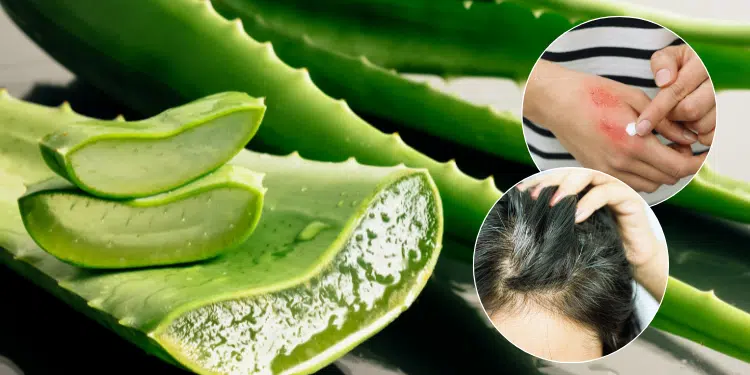
For thousands of years, few plants have been as revered, studied, and used as aloe vera – a succulent often called “The Plant of Immortality.”
Ancient Egyptians gave it this name more than 6,000 years ago, believing it to be a divine gift with extraordinary healing powers.
Cleopatra was said to apply aloe gel daily to keep her skin youthful. Alexander the Great reportedly conquered islands just to secure aloe for his soldiers’ wounds.
And in Ayurvedic and Traditional Chinese Medicine, aloe has long been considered a powerful tonic for internal health.
A Sacred Plant with a Timeless Legacy
Aloe vera (Aloe barbadensis miller) is a perennial succulent native to the Arabian Peninsula but now grown around the world for its therapeutic uses.
Its thick, fleshy leaves store a clear gel rich in healing compounds – a natural pharmacy that has been used for millennia in medicine, skincare, and spiritual rituals.
- Ancient Egypt: Referred to as “The Plant of Immortality,” aloe was buried with pharaohs and used in embalming for its preservative qualities.
- Ancient Greece and Rome: Physicians like Dioscorides and Pliny the Elder documented its use for wounds, ulcers, digestion, and skin conditions.
- Traditional Chinese Medicine: Aloe was used to treat fungal infections, fever, and digestive issues.
- Ayurveda: Considered a “rasayana” – a rejuvenating tonic – aloe was prescribed for detoxification, skin health, liver support, and female reproductive balance.
Today, aloe vera remains a cornerstone of natural healing – but now we understand the science behind its effects.
The Nutritional Powerhouse Inside Aloe Vera
Aloe vera’s extraordinary health benefits come from a unique blend of over 200 bioactive compounds, including:
- Vitamins: A, C, E, B1, B2, B3, B6, B12, folic acid, and choline – potent antioxidants and essential nutrients for cellular function.
- Minerals: Calcium, magnesium, zinc, selenium, iron, potassium, and chromium – crucial for enzyme activity, immunity, and metabolism.
- Enzymes: Amylase, lipase, bradykinase – support digestion, inflammation control, and tissue repair.
- Polysaccharides: Acemannan, glucomannan – immune-modulating, wound-healing, and anti-aging compounds.
- Amino acids: All 8 essential amino acids and many non-essential – building blocks for proteins and tissue regeneration.
- Anthraquinones: Aloin, emodin – natural laxatives, antibacterial, antiviral, and analgesic agents.
- Saponins: Natural cleansers with antiseptic properties.
- Lignin: Enhances absorption of other nutrients and compounds.
This extraordinary profile means aloe doesn’t target just one aspect of health – it supports the entire body.
1. Aloe Vera for Skin: Repair, Regeneration, and Youthful Glow
It’s no coincidence that aloe is a staple ingredient in countless skin products. Its healing power for the skin is unparalleled – and science backs it up.
Heals Wounds and Burns
Aloe accelerates healing by increasing blood flow, stimulating fibroblast activity, and boosting collagen synthesis.
Studies show it can heal first- and second-degree burns up to 30% faster than conventional treatments.
How to use:
- Apply fresh aloe gel directly to cuts, burns, or sunburns.
- Use it post-surgery to reduce scarring.
- Combine with honey for enhanced wound healing.
Anti-Aging and Skin Renewal
Aloe increases collagen production and improves skin elasticity. Its antioxidants (vitamins C and E) fight free radicals, reducing fine lines and wrinkles.
DIY anti-aging mask: Mix 2 tbsp fresh aloe gel with 1 tsp rosehip oil and apply for 20 minutes.
Acne and Blemish Control
Aloe’s antibacterial and anti-inflammatory compounds kill acne-causing bacteria and soothe redness. Its enzymes unclog pores and support skin regeneration.
How to use:
- Apply a thin layer of aloe gel as a daily moisturizer.
- Mix with tea tree oil for a powerful acne treatment.
2. Aloe Vera Detoxifies and Heals the Digestive System
Aloe is one of nature’s most effective digestive tonics, cleansing and healing the gastrointestinal tract from top to bottom.
Supports Healthy Digestion
Aloe soothes the gut lining, balances stomach acid, and helps break down food more efficiently. It’s particularly useful for conditions like acid reflux, gastritis, and indigestion.
How to use:
- Drink 1 tablespoon of pure aloe gel or juice mixed with water before meals.
- Combine with ginger juice for added digestive support.
Heals Leaky Gut and Ulcers
The polysaccharides in aloe help seal a damaged gut lining, reducing inflammation and promoting tissue repair. Aloe also inhibits H. pylori, the bacteria responsible for many ulcers.
Gentle Natural Laxative
Aloe latex contains anthraquinones that stimulate peristalsis and support regular bowel movements – but it must be used carefully due to potency.
How to use:
- Mix 1 tsp aloe latex (not gel) with water once or twice a week for constipation relief.
- For a gentler option, use aloe gel daily – it hydrates the colon and softens stool.
3. Aloe Supports Liver Detoxification and Metabolism
The liver is the body’s detox powerhouse – and aloe is one of its best allies.
- Hydration: Aloe juice is 99% water, keeping the liver hydrated and improving toxin elimination.
- Chlorophyll & Antioxidants: Support liver enzyme function and neutralize toxins.
- Polysaccharides: Repair liver cells and improve fat metabolism, which may help prevent non-alcoholic fatty liver disease (NAFLD).
How to use:
- Drink a glass of aloe juice with lemon every morning for 2 weeks as a liver detox.
- Add turmeric to enhance antioxidant power.
4. Aloe Helps Regulate Blood Sugar and May Prevent Diabetes
One of aloe’s lesser-known benefits is its remarkable effect on blood sugar control.
Scientific Findings
- Aloe gel has been shown to lower fasting blood glucose and improve insulin sensitivity.
- It enhances pancreatic beta-cell function, improving natural insulin production.
- Antioxidants reduce oxidative stress – a major factor in type 2 diabetes.
How to use:
- Drink 1–2 tablespoons of aloe gel diluted in water daily.
- Combine with cinnamon for a synergistic blood sugar–balancing effect.
5. Aloe Boosts Immunity and Fights Inflammation
Your immune system depends on a healthy gut, balanced inflammation, and robust antioxidant defenses – all of which aloe supports.
- Polysaccharides (acemannan): Stimulate macrophages, T-cells, and interferon production – strengthening immune response.
- Antioxidants: Neutralize free radicals and reduce chronic inflammation.
- Antimicrobial effects: Aloe inhibits bacteria, viruses, and fungi, supporting natural defenses.
How to use:
- Drink aloe juice with honey and turmeric as a daily immune tonic.
- Use aloe-based herbal blends during cold and flu season.
6. Aloe Vera for Weight Loss and Metabolic Health
Aloe’s effects on digestion, blood sugar, and detoxification make it an excellent ally for weight management.
- Improves digestion and nutrient absorption, preventing cravings.
- Supports liver function for more efficient fat metabolism.
- Reduces inflammation linked to obesity and metabolic syndrome.
How to use:
- Blend 2 tbsp aloe gel with lemon juice and warm water each morning on an empty stomach.
- Combine with apple cider vinegar and ginger for a powerful fat-burning tonic.
7. Aloe Enhances Heart Health and Circulation
Heart disease is closely linked to inflammation, high cholesterol, and oxidative stress – all of which aloe helps reduce.
- Lowers LDL cholesterol and triglycerides while raising HDL.
- Improves blood circulation and strengthens blood vessels.
- Reduces platelet aggregation, lowering the risk of clots.
How to use:
- Drink aloe juice mixed with beet juice and a touch of honey for circulation support.
- Pair with garlic and turmeric for a heart-protective blend.
8. Aloe Soothes Respiratory Issues and Boosts Lung Health
Aloe’s anti-inflammatory, antimicrobial, and immune-boosting properties also extend to the respiratory system.
- Loosens mucus and soothes irritated airways.
- Helps manage asthma, bronchitis, and chronic cough.
- Strengthens respiratory immunity and reduces inflammation.
How to use:
- Inhale steam infused with aloe gel and eucalyptus oil for congestion relief.
- Drink aloe tea with ginger and honey for coughs and sore throats.
9. Aloe Balances Hormones and Supports Reproductive Health
In Ayurveda, aloe is known as a “female tonic” – and with good reason.
- Regulates menstrual cycles and eases PMS symptoms.
- Supports fertility by improving uterine health and balancing hormones.
- In men, aloe may improve testosterone levels and sperm quality.
How to use:
- Mix aloe juice with fenugreek seed water and drink during the luteal phase to balance hormones.
- Combine with hibiscus tea for menstrual support.
10. Aloe Fights Cancer-Causing Inflammation and Supports Cellular Repair
Though not a cure, aloe’s bioactive compounds may play a role in cancer prevention and adjunctive therapy.
- Acemannan boosts immune surveillance against abnormal cells.
- Antioxidants protect DNA from oxidative damage.
- Anthraquinones and emodin show anti-proliferative effects in lab studies.
Some studies suggest aloe enhances the effects of chemotherapy while reducing side effects like nausea and mucositis.
How to use:
- Incorporate aloe juice as part of an antioxidant-rich diet.
- Combine with green tea, turmeric, and cruciferous vegetables for maximum effect.
How to Use Aloe Vera Safely and Effectively
1. Raw Gel
- Harvest from a mature leaf (3+ years old).
- Slice off the green rind and scoop out the clear gel.
- Eat 1–2 tablespoons daily or apply directly to skin.
2. Aloe Juice
- Blend gel with filtered water and optional lemon or honey.
- Drink 50–100 ml daily for internal health benefits.
3. Topical Application
- Apply gel directly to skin, wounds, or scalp.
- Combine with essential oils or herbal infusions for enhanced effects.
4. Capsules & Supplements
Available in standardized doses for blood sugar, digestion, or immunity.
Important: Always remove the yellow latex beneath the skin – it contains anthraquinones, which can be too strong internally if not used correctly.
Safety Precautions
- Internal use: Start with small amounts to avoid diarrhea or cramps.
- Pregnancy: Consult a doctor before using aloe internally.
- Medications: Aloe may interact with diabetes drugs, diuretics, and blood thinners.
From ancient Egypt to modern medicine, aloe vera has earned its title as the “Plant of Immortality.”
Its ability to heal wounds, regenerate skin, detoxify the body, balance blood sugar, boost immunity, and support nearly every system makes it one of the most valuable plants on Earth