Have you ever wondered why your clothes don’t come out as fresh, soft, or clean as you expected — even though you used good detergent and followed all the steps? The secret might not be in your detergent but in how you use your washing machine’s detergent drawer.
Most people don’t realize that the compartments in the washing machine drawer are not the same and are designed for specific products. Using the wrong one can affect how your detergent dissolves, how clean your clothes get, and even how long your machine lasts!
Let’s finally clear up the mystery behind those numbered sections.
 Understanding the Three Compartments
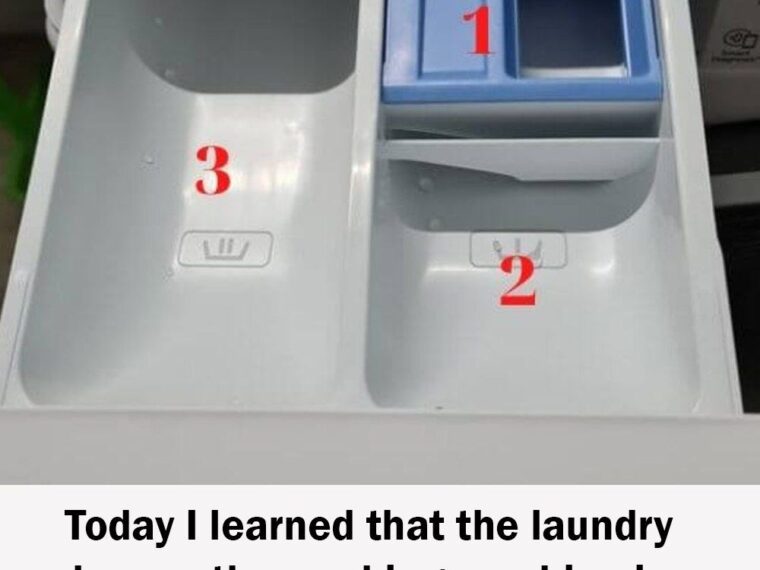
Most washing machines have three compartments in the detergent drawer, usually marked with symbols or numbers — like in the image above.
Here’s what each section really means:
 Compartment 1: Pre-Wash Detergent
Marked as: Ⅰ or number 1
This compartment is for pre-wash detergent.
You only use this section if you’re running a pre-wash cycle — ideal for very dirty or stained clothes (like muddy sportswear, work uniforms, or children’s clothes).
If your laundry isn’t heavily soiled, you can skip this compartment altogether.
 Use: Add a small amount of detergent (liquid or powder). When it activates: During the first rinse cycle before the main wash.
Compartment 2: Main Wash Detergent
Marked as: Ⅱ or number 2
This is the most important compartment — the one responsible for the main washing cycle.
Here’s where you should always pour your main detergent — whether it’s powder, liquid, or a capsule dissolved in water.
This section is where most people make mistakes — they often put detergent in the wrong slot (like the pre-wash section), which means the soap is used up too early and your clothes don’t get properly cleaned!
Use: Main detergent (powder, liquid, or pods if dissolved). When it activates: During the main wash cycle when clothes are being deeply cleaned.
 Tip: If your clothes aren’t smelling clean or look dull, check if you’re using this correct compartment for your detergent!
Compartment 3: Fabric Softener
Marked with a flower symbol or number 3
This compartment is for fabric softener or conditioner only.
It releases the liquid during the final rinse cycle to make your clothes soft, reduce static, and leave a pleasant scent.
Use: Pour liquid fabric softener up to the “MAX” line — do not overfill! When it activates: During the last rinse, just before the final spin.
Warning: Never put detergent or bleach here — it can cause residue buildup and damage your clothes or machine.
 Common Laundry Mistakes You Might Be Making
- Putting detergent in the wrong compartment.
This causes soap to be flushed out too early, leaving clothes poorly washed. - Overfilling compartments.
Too much detergent or softener can leave residue, clog pipes, and cause odors. - Skipping pre-wash when needed.
For heavily soiled clothes, skipping the pre-wash can make dirt circulate back into fabrics. - Using the wrong type of detergent.
Always match your detergent type (powder, liquid, or capsule) with your machine and cycle.
 How to Keep Your Washing Machine Clean
For best results, clean the detergent drawer once a month:
- Remove the drawer completely.
- Rinse it under warm water.
- Use an old toothbrush to scrub off detergent residue or mold.
- Dry it before placing it back.
This simple habit keeps your washing machine fresh, prevents buildup, and ensures every wash works perfectly.
 Final Thoughts
Sometimes, the simplest things make the biggest difference. Knowing how to use your washing machine’s detergent drawer correctly can transform your laundry results — whiter whites, fresher fabrics, and cleaner clothes, all without extra detergent or expensive cleaners.
So next time you do laundry, remember:
1 = pre-wash, 2 = main wash, 3 = fabric softener.
Once you start using the right compartments, you’ll never wonder why your clothes aren’t clean enough again!