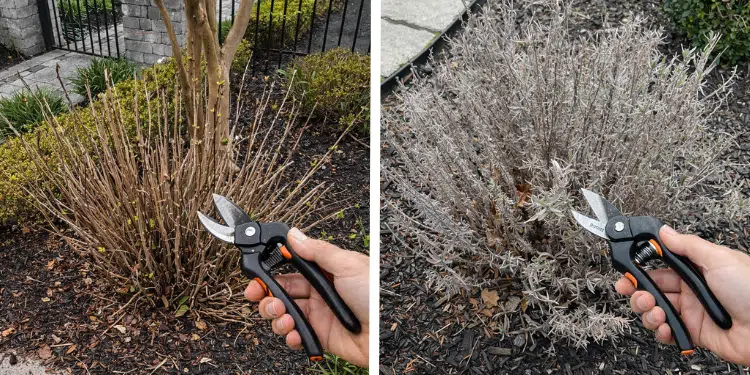
Early spring is one of the most important times in the gardening calendar. As winter fades and temperatures begin to rise, many plants awaken from dormancy and prepare for rapid growth.
During this short window, gardeners have an opportunity to prune certain plants before the growing season fully begins.
Pruning at the right time helps plants grow stronger, produce more flowers, and maintain a healthy structure.
However, when pruning is delayed until late spring or summer, some plants can struggle. Overcrowded branches, poor airflow, and weak growth can lead to reduced flowering, disease problems, or uneven plant shape.
Many popular garden plants benefit from pruning before April ends. For example, shrubs like Lavandula, flowering climbers such as Clematis, and fruit-bearing plants like Vaccinium corymbosum respond especially well to early-season pruning.
Why Early Spring Pruning Is Important
Pruning is more than simply trimming branches. It is a way to guide plant growth and improve plant health.
During winter dormancy, plants conserve energy. When spring arrives, they redirect stored energy toward producing new shoots, leaves, and flowers.
If dead or overcrowded branches remain on the plant, the plant wastes energy maintaining those unnecessary parts. Pruning removes these weak areas and encourages stronger growth where it is most beneficial.
Early spring pruning also improves airflow and sunlight penetration. This helps prevent fungal diseases that thrive in crowded, damp environments.
By pruning before April, gardeners ensure plants begin the growing season in their healthiest condition.
1. Lavender
Lavender plants can become woody and sparse if they are not pruned regularly.
During winter, lavender often develops uneven growth and dead stems. If these stems remain on the plant, they block sunlight and prevent new shoots from forming.
Pruning lavender before April encourages fresh green growth from the base of the plant.
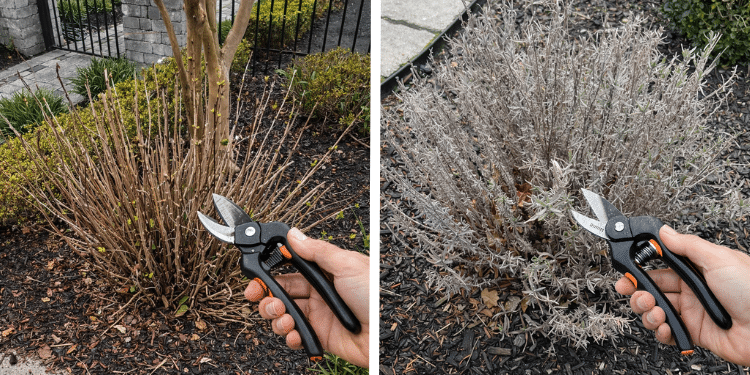
To prune lavender, trim the plant lightly, cutting just above the new green growth. Avoid cutting into the woody base because lavender rarely produces new shoots from old wood.
Early pruning helps lavender grow fuller and prevents the plant from becoming leggy later in the season.
2. Roses
Roses require seasonal pruning to maintain their health and flowering ability.
Without early pruning, rose bushes often become overcrowded. Dense growth reduces airflow and increases the risk of diseases such as black spot and powdery mildew.
Pruning roses before April removes winter-damaged stems and encourages strong new flowering shoots.
Start by cutting away dead or diseased branches. Then shorten strong stems to an outward-facing bud.
This technique encourages the plant to grow outward rather than inward, creating an open structure that allows sunlight and air to circulate.
3. Hydrangeas (Certain Types)
Hydrangeas vary widely in their pruning needs. Some varieties bloom on old wood, while others bloom on new wood.
Varieties that bloom on new wood benefit from pruning before April because it encourages strong stem growth and larger flower clusters later in summer.
Removing weak stems also helps the plant focus energy on the healthiest branches.
Gardeners should identify their hydrangea type before pruning to avoid accidentally removing flower buds.
4. Butterfly Bush
Butterfly bushes are vigorous shrubs that bloom on new growth.
If these plants are not pruned early in spring, they can become tall, woody, and poorly shaped.
Cutting them back before April stimulates the production of strong new stems that will carry large flower clusters later in the season.
Many gardeners prune butterfly bushes aggressively, sometimes reducing their height by half or more.
The plant responds by producing fresh shoots that attract pollinators such as butterflies and bees.
5. Clematis (Late-Blooming Varieties)
Clematis vines are beloved for their dramatic flowers, but some varieties require early pruning to perform well.
Late-blooming clematis types produce flowers on new growth.
If old stems remain unpruned, the plant may develop a tangled mass of vines with fewer flowers.
Pruning these varieties before April encourages fresh shoots from the base of the plant.
This results in stronger vines and more evenly distributed blooms.
6. Blueberries
Blueberry bushes require pruning to maintain productivity.
Older branches eventually produce fewer berries, and overcrowded plants can limit fruit development.
Pruning before April removes old, unproductive wood and encourages new fruit-bearing shoots.
Gardeners should remove the oldest stems first, leaving younger branches that will produce the best harvest.
This practice improves airflow and allows sunlight to reach developing berries.
7. Spirea
Spirea shrubs are popular for their delicate clusters of flowers.
Many varieties bloom on new wood, making early spring pruning beneficial.
Cutting back the plant before April encourages vigorous growth and abundant flowering later in the season.
Removing older stems also helps maintain the shrub’s compact shape.
Without pruning, spirea can become woody and produce fewer blooms.
8. Ornamental Grasses
Many ornamental grasses should be cut back before new shoots appear in spring.
Leaving last year’s dry foliage in place too long can block sunlight and slow new growth.
Cutting grasses down to about 10–15 centimeters above the ground before April allows fresh shoots to emerge easily.
This practice results in healthier, fuller plants throughout the growing season.
9. Sage and Other Woody Herbs
Woody herbs such as sage often become leggy if they are not pruned regularly.
Over time, the base of the plant becomes woody while new leaves appear only at the tips of branches.
Pruning before April encourages fresh growth and keeps the plant compact.
Remove older woody stems and shorten remaining branches to promote bushier growth.
This helps herbs produce more leaves for culinary use.
Signs That a Plant Needs Pruning
Gardeners can often tell when a plant needs pruning by observing its structure.
Dead branches that snap easily should be removed.
Crowded areas where branches rub together can create wounds that allow disease to enter.
Plants that appear uneven or excessively tall may also benefit from shaping.
Removing these problem areas improves both plant health and garden appearance.
Tools Needed for Effective Pruning
Using the right tools makes pruning easier and safer for plants.
Sharp pruning shears are ideal for small stems.
Loppers work well for thicker branches.
For larger shrubs or trees, pruning saws may be necessary.
Keeping tools clean and sharp prevents damage to plants and reduces the risk of spreading disease.
Common Pruning Mistakes to Avoid
Many gardeners unintentionally harm plants by pruning incorrectly.
One common mistake is pruning too late in the season, which can remove developing flower buds.
Another mistake is cutting too close to the trunk or leaving long stubs.
Proper cuts should be made just above a healthy bud or branch.
Over-pruning can also stress plants, so it is important to remove only what is necessary.
The Benefits of Pruning at the Right Time
When pruning is done before April, plants have time to recover and produce new growth during the peak growing season.
Healthy pruning improves:
• Air circulation
• Sunlight exposure
• Flower production
• Fruit development
• Overall plant structure
Plants that are pruned properly often appear more balanced and vigorous throughout the year.
Early spring pruning is one of the most effective ways to improve plant health and garden productivity.
Plants such as lavender, roses, hydrangeas, butterfly bushes, clematis, blueberries, spirea, ornamental grasses, and woody herbs rely on timely pruning to perform their best.