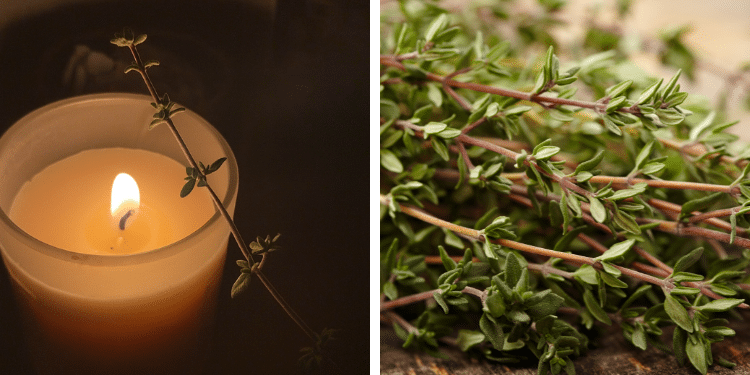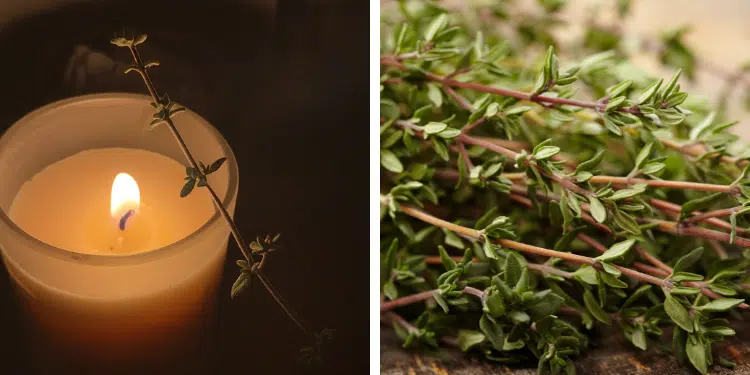
For thousands of years, thyme has been more than a culinary herb. Across Europe, the Middle East, and ancient Mediterranean cultures, people burned thyme to purify the air, protect the home, clear stagnation, and support respiratory health.
Greek soldiers burned thyme before battle, Roman households used it to cleanse rooms, and healers recommended thyme smoke for coughs and congestion long before modern medicine existed.
Today, science is catching up to tradition. Thyme contains some of the most powerful aromatic compounds in the plant world – especially thymol, carvacrol, borneol, and cineole all of which have demonstrated antimicrobial, antifungal, anti-inflammatory, and respiratory-supporting effects.
When thyme is burned, these compounds become airborne, creating a natural vapor that interacts with the lungs, sinuses, and airways.
Thyme: A Natural Source of Strong Medicinal Compounds
The power of thyme lies in its essential oil profile. When the plant is heated or burned, its oils vaporize and release aromatic molecules into the air.
These compounds include:
- Thymol – a powerful antiseptic used in modern medicine
- Carvacrol – antimicrobial and anti-inflammatory
- Cineole (Eucalyptol) – opens airways and clears congestion
- Borneol – calms the nervous system and supports breathing
- Linalool – reduces stress and inflammation
These molecules enter the air through the smoke and can be inhaled into the respiratory system, where they exert their biological effects.
This is why thyme has been used in cough syrups, lozenges, herbal remedies, and aromatherapy for centuries.
1. Burning Thyme Helps Clear Congestion and Open Airways
Cineole and thymol – two major compounds released when thyme burns – are well known for helping to open the bronchial tubes and reduce mucus buildup.
When inhaled, thyme smoke (or aromatic vapor) may help:
- loosen thick mucus
- break up congestion in the lungs
- open blocked nasal passages
- support easier breathing
- soothe irritated airways
The effect is similar to steam inhalation or eucalyptus vapor, but with a slightly broader antimicrobial range due to thyme’s unique chemistry.
This makes burning thyme especially helpful during colds, flu, allergies, or respiratory irritation.
2. Thyme Smoke Has Antimicrobial Effects in the Air
One of the most fascinating benefits of burning thyme is its ability to help cleanse the air of harmful microbes.
Thymol is so potent that it’s used in:
- mouthwashes
- disinfecting products
- cough syrups
- sanitizing solutions
When thyme is burned, tiny amounts of thymol disperse through the air, where they may help neutralize:
- airborne bacteria
- viruses
- mold spores
- fungi
- odor-causing microbes
This explains why thyme burning was historically used in sickrooms or crowded areas – the scent isn’t just pleasant; it truly helps cleanse the air naturally.
3. It Helps Soothe Coughing and Throat Irritation
Burning thyme produces a warm, aromatic smoke that carries expectorant molecules into the air. These compounds help relax the muscles of the trachea and bronchi, reducing spasms that trigger coughing.
People who burn thyme for respiratory health often report:
- calmer coughing
- easier nighttime breathing
- reduced throat tickling
- less irritation during colds
This effect is similar to drinking thyme tea – but inhalation works more directly on the respiratory tract.
4. It Supports the Body During Sinus Infections and Allergies
Thyme’s aromatic compounds help reduce inflammation in sinus tissues, thin mucus, and improve airflow. This provides relief for:
- sinus congestion
- stuffy nose
- post-nasal drip
- allergy flare-ups
- sinus headaches
Cineole, one of thyme’s major compounds, is known for relieving sinus obstruction and supporting airway function.
Burning thyme during allergy season or cold months can ease discomfort and support a clearer breathing environment.
5. Burning Thyme May Help Relax the Nervous System
Thyme isn’t just respiratory-supportive – it has calming properties as well. Burning thyme releases linalool and borneol, which may help reduce nervous tension.
Breathing in thyme smoke may help:
- ease stress
- support relaxation
- reduce anxiety related to difficulty breathing
- promote deeper breathing patterns
For many people, the comforting herbal scent helps calm the mind and slow breathing, which in turn helps oxygen flow more easily.
6. It Can Help Reduce Inflammation in the Respiratory System
Thymol and carvacrol have anti-inflammatory effects that may help soothe irritated airways. When you inhale thyme vapors, these compounds interact with airway tissues and help reduce swelling.
Daily or regular exposure (in small amounts) may help:
- support chronic respiratory issues
- calm inflamed bronchial passages
- reduce irritation caused by pollution or dry air
- support recovery after illness
Traditional healers often burned thyme after a sickness to help restore normal respiratory function.
7. Burning Thyme Helps Purify the Home Environment
Burning thyme doesn’t just affect the air you breathe – it affects the entire environment.
Historically, thyme was burned to:
- freshen stale air
- deodorize rooms
- cleanse sickrooms
- repel insects
- clear humidity odors
- spiritually “purify” spaces
From a scientific perspective, thyme smoke can reduce odor-causing bacteria and create a fresher atmosphere. This indirectly supports respiratory health by improving air quality.
8. It Acts as a Gentle Natural Decongestant
Because burning thyme releases volatile oils, inhaling the smoke acts like a mild decongestant. The compounds help loosen mucus and soothe inflamed tissues, which makes breathing feel smoother.
This makes burning thyme useful during:
- cold or flu season
- winter months with dry heating
- allergy flare-ups
- times of high humidity
- dusty or polluted environments
Unlike synthetic sprays, thyme offers a natural and gentle approach.
9. Burning Thyme Helps Kill Mold Spores
Thymol is an antifungal compound. When thyme is burned, its vapors may help inhibit mold growth or reduce airborne mold spores – particularly in damp areas or older homes.
This helps:
- protect lung health
- reduce mold-related symptoms
- prevent sinus irritation
- support long-term respiratory comfort
People with mold sensitivities often notice relief when using thyme aromatically.
Why Burning Thyme Works: The Scientific Breakdown
When thyme burns, the heat vaporizes its essential oils, releasing their active molecules into the air. These molecules then:
- travel into the nasal passages
- reach the bronchi and lungs
- interact with airway receptors
- influence respiratory muscles
- reduce microbial load in the environment
The process is similar to how essential oil diffusers work, but burning thyme offers the added benefit of smoke carrying aromatic compounds more deeply into the air.
Thymol, carvacrol, and cineole are the primary reasons thyme supports respiratory health.
These compounds are well-studied and used commercially in respiratory products.
How to Burn Thyme Safely and Effectively
To get the benefits without producing heavy smoke, thyme should be allowed to smolder gently.
A simple method:
- Place dried thyme in a heatproof dish or small bowl.
- Light it briefly, then blow out the flame.
- Allow the herb to smolder and release aromatic vapors.
- Let the scent fill the room for a few minutes.
- Breathe naturally and comfortably.
Burn only small amounts – thyme’s active compounds are powerful even in light smoke.
Burning thyme is a tradition rooted in ancient wisdom and supported today by modern science.
Its aromatic compounds help open the airways, soothe breathing, reduce inflammation, calm coughing, and cleanse the environment of microbes.