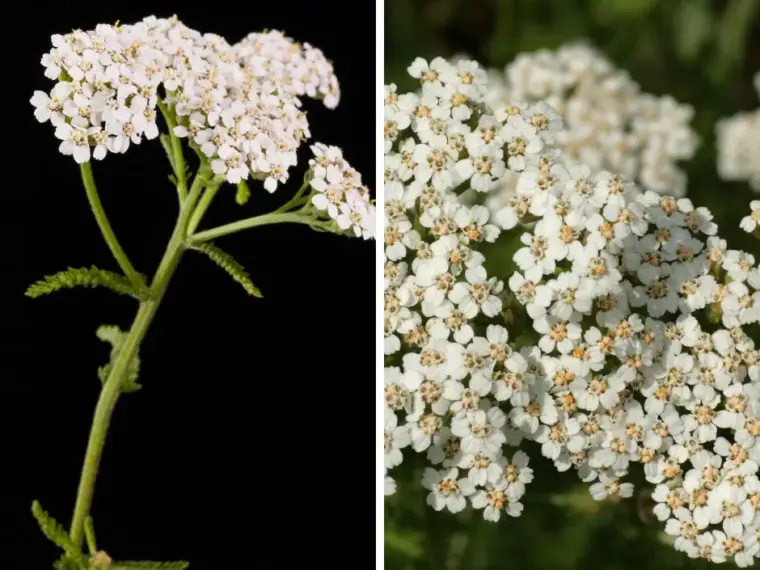
Across meadows, roadside verges, and gardens, you may spot delicate clusters of white or pinkish flowers, held above feathery, fern-like leaves.
This humble plant is yarrow (Achillea millefolium) – a herb steeped in history, traditional medicine, and modern garden use.
Though often overlooked as a simple wildflower or dismissed as a common weed, yarrow is one of nature’s most versatile gifts.
From supporting pollinators and healing wounds to improving soil health and adding beauty to landscapes, yarrow’s benefits stretch far beyond its modest appearance.
What is Yarrow?
Yarrow (Achillea millefolium) is a perennial herb native to temperate regions of the Northern Hemisphere. It belongs to the Asteraceae family, which also includes daisies and sunflowers.
Its botanical name, Achillea, comes from the Greek hero Achilles, who, according to legend, used yarrow to treat the wounds of his soldiers during the Trojan War.
Key features of yarrow include:
- Height: Typically grows 1 to 3 feet tall.
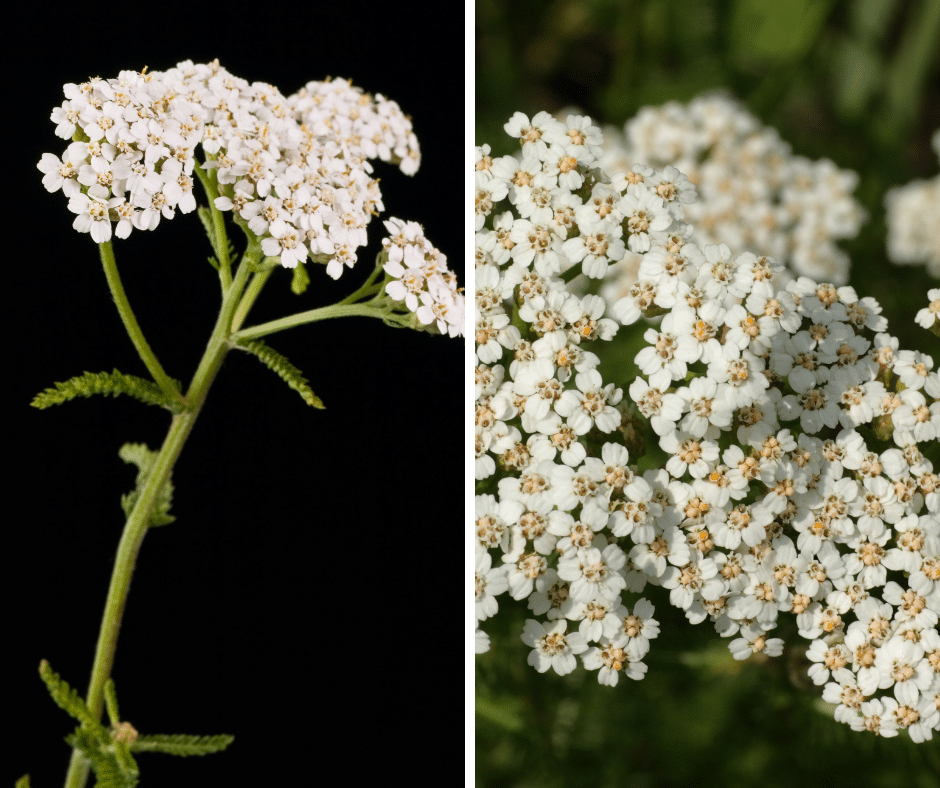
- Leaves: Fine, feathery foliage, giving the plant a fern-like texture.
- Flowers: Flat-topped clusters (umbels) of small flowers, usually white but also found in pink, yellow, or red in cultivated varieties.
- Bloom Time: Early summer through fall.
- Hardiness: USDA zones 3-9.
Yarrow is remarkably adaptable, thriving in poor soils, dry conditions, and full sun. Its resilience and multi-purpose nature have made it a valued plant for centuries.
1. Medicinal Uses of Yarrow
Perhaps yarrow’s most famous attribute is its medicinal history. This plant has been used across cultures for thousands of years to treat various ailments.
Modern herbalists still rely on yarrow for many therapeutic purposes.
Wound Healing
Historically known as “soldier’s woundwort,” yarrow was carried into battlefields to stop bleeding and promote wound healing.
The plant contains compounds like:
- Achilleine: Helps clot blood.
- Tannins: Have astringent properties, tightening tissues and reducing bleeding.
- Anti-inflammatory agents: Help soothe irritated skin.
Crushed fresh leaves were once applied directly to cuts and scrapes. Today, yarrow is often included in herbal salves and ointments for minor wounds and insect bites.
Fever and Cold Relief
Yarrow has diaphoretic properties, meaning it encourages sweating. Traditional medicine used it to reduce fevers and help the body fight infections.
Herbal teas made from yarrow leaves and flowers are still popular for:
- Lowering fevers.
- Easing symptoms of colds and flu.
- Supporting the immune system.
Digestive Support
Yarrow’s bitter compounds stimulate digestion and bile flow.
Herbalists sometimes recommend yarrow tea to:
- Relieve indigestion.
- Soothe bloating and gas.
- Promote appetite.
Women’s Health
Traditional herbalists have long used yarrow to support women’s reproductive health.
It’s sometimes included in herbal blends to:
- Ease menstrual cramps.
- Regulate heavy periods.
- Support hormonal balance.
However, anyone pregnant or nursing should consult a qualified practitioner before using yarrow medicinally.
Anti-inflammatory and Pain Relief
Yarrow’s anti-inflammatory compounds make it helpful for soothing:
- Muscle pain.
- Arthritis discomfort.
- Minor skin irritations.
While modern research is ongoing, yarrow’s traditional uses have been documented for centuries across Europe, Asia, and North America.
2. Yarrow as a Culinary Herb
While yarrow is primarily celebrated for its medicinal uses, it’s also an edible herb – though it should be used sparingly due to its strong, bitter taste.
- Leaves: Finely chopped yarrow leaves can be added to salads for a peppery bite or used to season soups and stews.
- Flowers: Can be used as a garnish or brewed into herbal teas.
Yarrow pairs well with other bitter greens and herbs in culinary recipes. Always ensure the plants you harvest are free of pesticides or contaminants.
3. Yarrow as an Ornamental Plant
Yarrow is not only functional – it’s beautiful. In gardens, it’s valued for:
- Long-lasting blooms: Flowers appear from early summer through fall.
- Color variety: Cultivated varieties come in pink, red, yellow, and white.
- Cut flowers: Yarrow makes excellent fresh or dried bouquets.
Its soft, feathery foliage adds texture to borders, rock gardens, and meadow plantings. Yarrow’s resilience to drought and poor soils makes it a reliable choice for low-maintenance landscapes.
4. Yarrow for Pollinators and Wildlife
Yarrow’s dense flower clusters are a magnet for pollinators. Bees, butterflies, hoverflies, and other beneficial insects frequently visit yarrow for its rich nectar.
- Bees: Collect nectar and pollen.
- Butterflies: Feed on the nectar, helping sustain local populations.
- Predatory insects: Hoverflies and parasitic wasps often use yarrow as a hunting ground, helping control garden pests.
By including yarrow in your garden, you support biodiversity and encourage a balanced ecosystem.
5. Soil Health and Companion Planting
Beyond its beauty and medicinal uses, yarrow plays a significant role in improving soil health and garden resilience.
Dynamic Accumulator
Yarrow’s roots reach deep into the soil, drawing up minerals like:
- Potassium.
- Phosphorus.
- Copper.
- Calcium.
These nutrients become concentrated in its leaves. When yarrow foliage falls and decomposes, it returns nutrients to the topsoil, enhancing soil fertility for neighboring plants.
Compost Booster
Adding yarrow leaves to compost piles helps accelerate decomposition. Its high mineral content and microbial activity make it a valuable compost activator, producing richer, more balanced compost.
Companion Planting
Yarrow’s aromatic foliage repels some insect pests, while attracting beneficial insects. It’s often planted near vegetables and herbs to improve overall plant health and deter harmful bugs.
Good companions include:
- Tomatoes.
- Brassicas (cabbage, broccoli, kale).
- Herbs like rosemary and lavender.
6. Yarrow in Herbal Remedies and Skincare
Yarrow finds its way into various modern natural health and beauty products, thanks to its soothing, anti-inflammatory, and antimicrobial properties.
- Skin care: Infused oils or salves containing yarrow may help calm irritated skin, minor wounds, or rashes.
- Herbal baths: Yarrow added to bathwater can soothe sore muscles or skin conditions.
- Essential oils: Yarrow essential oil is sometimes used in aromatherapy, though it’s potent and should be diluted properly.
7. Yarrow as a Lawn Alternative
Gardeners looking to reduce water usage and mowing often seek alternatives to traditional turf.
Yarrow offers a unique solution:
- Forms a soft, low-growing mat.
- Tolerates light foot traffic.
- Requires minimal water once established.
- Stays green even in poor soil.
Yarrow lawns bloom with delicate flowers in summer, adding beauty where ordinary grass might fail.
8. Historical and Cultural Significance
Yarrow’s significance isn’t just botanical – it’s cultural. Ancient Greeks, Native Americans, European herbalists, and even medieval monks all valued yarrow for its versatile uses.
- Ancient Greece: Achilles reportedly used yarrow to treat battlefield wounds.
- Native American tribes: Used yarrow for medicine, spiritual rituals, and even to relieve toothaches.
- Victorian Era: Associated with divination and love charms.
In folklore, carrying yarrow was believed to protect against evil, and in some traditions, it was placed under pillows to bring dreams of one’s future spouse.
Growing Yarrow in Your Garden
Interested in adding yarrow to your garden? Here’s how to grow it successfully:
- Sunlight: Thrives in full sun but tolerates partial shade.
- Soil: Prefers well-drained soil, though it will tolerate poor soils and drought.
- Spacing: Plant 12–24 inches apart to allow air circulation.
- Water: Water regularly until established. Once mature, yarrow needs little supplemental water.
- Propagation: Easily grown from seeds, root divisions, or cuttings.
To prevent excessive spreading, particularly with the native white-flowered species, choose named cultivars for more controlled growth.
Harvesting and Using Yarrow
Harvest yarrow during peak bloom for maximum potency. Cut the flowering stems in mid-morning after dew has dried.
- Drying: Tie stems in bundles and hang upside-down in a warm, dry, airy place.
- Storage: Store dried yarrow in sealed containers away from light and moisture.
Always positively identify wild yarrow before harvesting, as some look-alike plants can be toxic.
Safety and Precautions
While yarrow is generally safe in small culinary or medicinal doses, keep these precautions in mind:
- Some people are allergic, especially those sensitive to plants in the Aster family.
- Avoid during pregnancy without professional guidance.
- Use medicinally under the advice of a qualified herbalist or healthcare professional.
The Beauty and Utility of Yarrow
Yarrow’s reputation as a healing herb is well-deserved, but its virtues go far beyond medicine.
It’s a plant that:
- Beautifies gardens.
- Feeds pollinators.
- Improves soil.
- Provides culinary and medicinal uses.
For gardeners, herbal enthusiasts, and anyone interested in sustainable living, yarrow is a plant worth knowing and growing.
Its resilience and diverse benefits make it a treasure in any landscape, whether you seek healing remedies, vibrant blooms, or a healthier ecosystem