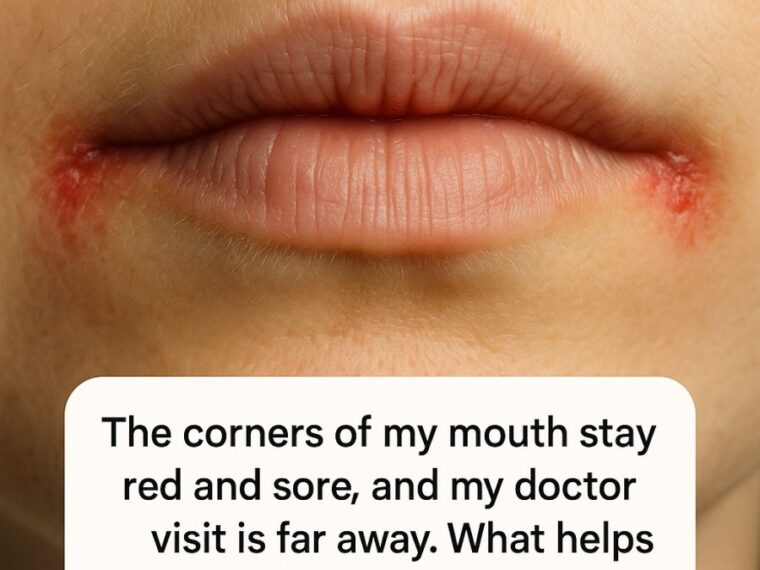
Having red and sore corners of the mouth can be an uncomfortable and persistent issue that many people face. This condition, while common, can sometimes be difficult to manage without proper guidance. With a doctor visit still far away, finding effective ways to alleviate the discomfort and promote healing becomes essential.
Understanding the reasons behind this problem and knowing how to treat it at home can make a significant difference in your daily comfort. This article provides comprehensive guidance on managing sore mouth corners with practical tips and evidence-based home remedies.
1. What Is Angular Cheilitis And Why Are My Mouth Corners So Sore?
Angular cheilitis is a condition characterized by inflammation, redness, and cracking at the corners of the mouth. It’s often caused by a fungal infection, specifically Candida, but bacteria like Staphylococcus aureus can also be culprits. People with certain conditions, such as diabetes or those who wear dentures, are more prone to this ailment.
The soreness and redness occur because the skin in this area is delicate and constantly moving, making it susceptible to irritation. Moist environments, such as saliva pooling in the corners, can exacerbate the condition, allowing microorganisms to thrive.
2. When Is It Still Safe To Self-Treat And When Must I See A Doctor Urgently?
In most cases, angular cheilitis can be managed at home with self-care measures. However, if you notice severe pain, spreading of the redness, or symptoms that persist beyond two weeks despite home treatment, it is essential to seek medical advice. Additionally, if you experience fever or suspect an allergy, a doctor’s visit is warranted.
If you have a compromised immune system or underlying conditions like diabetes, it’s wise to consult a healthcare professional sooner to prevent complications.
3. First Step: Gentle Cleansing Without Burning Or Over‑Drying The Skin
Cleaning the affected area gently is crucial in managing sore mouth corners. Use a mild, non-irritating cleanser to wash the area twice daily. Avoid using hot water, as it can strip the skin of its natural oils, exacerbating dryness and irritation.
After cleansing, pat the area dry with a soft towel rather than rubbing, which can further irritate the sensitive skin. Ensuring the area is clean and dry helps prevent infection and soothes the inflammation.
4. The Classic Home Remedy: Petroleum Jelly And Thick Ointments As A Protective Barrier
Applying a protective barrier like petroleum jelly can help lock in moisture and protect the skin from further irritation. Thick ointments, such as those containing lanolin or zinc oxide, can also be effective in providing a shield against saliva and other irritants.
Reapply the barrier after eating or drinking, as these activities can remove the protective layer. Consistent application throughout the day helps maintain the skin’s moisture balance and speeds up healing.
5. Popular Viral Hack: Honey, Coconut Oil, And Other Kitchen Remedies—What Actually Helps?
Honey is praised for its natural antibacterial properties and can be applied to the affected area to help reduce inflammation and fight infection. Coconut oil, known for its moisturizing abilities, provides a soothing effect and can help in healing cracked skin.
While kitchen remedies can offer relief, it’s crucial to ensure they are pure and free from additives that could irritate the skin. Always patch-test any new remedy on a small skin area before applying it to sensitive areas like the mouth.
6. Lip Balms, Masks, And Patches: Which Over‑The‑Counter Products Are Worth Trying?
When choosing lip balms or patches for sore mouth corners, opt for products containing healing ingredients like ceramides, hyaluronic acid, or shea butter. Avoid those with fragrances or flavors, as they can irritate the skin.
Over-the-counter hydrating masks designed for the lip area can also provide an intense moisture boost, helping to repair the skin barrier. Use these products as directed, ensuring they are safe for use around the mouth.
7. Fighting Yeast And Bacteria: Mild Antifungal And Antiseptic Options
If a fungal infection is suspected, over-the-counter antifungal creams containing clotrimazole or miconazole can be applied to the affected area. Use these creams as directed, usually twice a day, to reduce fungal growth.
Antiseptic creams with ingredients like tea tree oil can also help prevent bacterial infections. However, it’s essential to choose products specifically formulated for sensitive skin to avoid additional irritation.
8. Dry Air, Masks, And Drooling: Everyday Triggers You Can Reduce Right Now
Dry air can exacerbate angular cheilitis, so using a humidifier at home can help maintain moisture levels in the air. If mask-wearing is causing irritation, use a mask with a better fit to reduce friction against the skin.
Addressing drooling, especially at night, by changing sleeping positions or using a different pillow can also help minimize moisture build-up at the mouth corners. Being mindful of these everyday triggers can significantly reduce flare-ups.
9. Nutrient Check: Iron, B Vitamins, And Other Deficiencies Behind Cracked Mouth Corners
Nutritional deficiencies, particularly in iron and B vitamins like B2 (riboflavin) and B12, can contribute to angular cheilitis. Ensure your diet includes sufficient amounts of these nutrients by consuming leafy greens, lean meats, eggs, and fortified cereals.
If you suspect a deficiency, consider taking a blood test to confirm and discuss supplementation with a healthcare professional to address the underlying cause effectively.
10. Smart Diet Tweaks: Foods And Drinks That Soothe—And Those That Sting
Incorporating soothing foods like yogurt, which contains probiotics, can help improve skin health. Avoid acidic or spicy foods, as they can exacerbate irritation and discomfort.
Staying hydrated is also essential; drinking enough water helps maintain skin moisture. Herbal teas like chamomile can offer soothing effects, while alcohol and caffeine should be minimized as they can lead to further dehydration.
11. Makeup, Shaving, And Skincare Around The Mouth: How To Avoid More Irritation
When dealing with sore mouth corners, it’s crucial to choose makeup products that are non-comedogenic and free from irritants. Avoid using matte lipsticks or drying products around the mouth.
For men, shaving carefully and using a sharp razor can prevent additional irritation. Follow up with a gentle, fragrance-free moisturizer to hydrate the skin. Skincare products should be simple and soothing, focusing on repairing the skin barrier.
12. Protecting Your Mouth Corners While You Sleep
Nighttime care is vital in managing sore mouth corners. Apply a thick layer of barrier ointment before bed to protect the skin overnight. If drooling is an issue, consider elevating your head slightly with an extra pillow.
Using silk pillowcases can also reduce friction on the skin, promoting a more comfortable sleep environment. Consistent nighttime care supports the healing process and reduces morning discomfort.
13. What Absolutely Not To Do: TikTok Hacks And Harsh DIY Treatments To Avoid
While social media can offer creative solutions, some viral hacks can do more harm than good. Avoid using acidic substances like lemon juice or vinegar, which can irritate and damage sensitive skin
Harsh scrubbing or peeling methods can also worsen the condition, leading to further inflammation. Always prioritize gentle and dermatologist-approved treatments over experimental DIY remedies to ensure safe and effective care.