In the world of kitchen utensils, every drawer holds mysteries from the past, forgotten tools that once played a vital role in culinary adventures. Among these relics, a peculiar set of metal pliers has surfaced, sparking curiosity and speculation. This strange tool, discovered in an otherwise ordinary utensil drawer, features an unusual design that sets it apart from conventional kitchen implements.
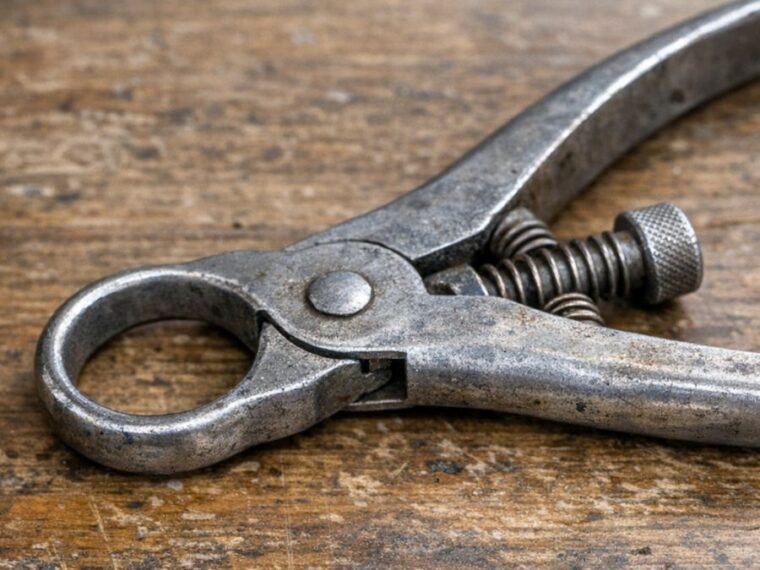
Upon closer examination, the pliers reveal a fascinating combination of features: a circular loop on one side and a spring plunger mechanism. These elements suggest a specific, albeit enigmatic, function. As we delve deeper into its characteristics, we aim to unravel the mystery behind this unique gadget, exploring its potential uses and historical significance.
1. First Clues: Shape, Size, And That Odd Circular Loop
The first aspect that catches the eye is the tool’s distinctive shape and size. Measuring approximately 6 inches in length, the metal pliers are slightly larger than a typical pair of needle-nose pliers, yet they possess a more robust construction. The presence of a circular loop, about 1 inch in diameter, at one end hints at a specialized purpose.
This loop, which resembles a small hoop, is attached to one of the handles and seems designed to interact directly with the spring mechanism on the opposite handle. Its circular form suggests it might be used to encircle or hold something in place, potentially guiding users towards its intended function.
2. The Spring Plunger Mechanism: What It Reveals About Its Purpose
The spring plunger mechanism is a critical feature that offers further insight into the tool’s purpose. When the handles are squeezed together, the plunger extends from the opposite side of the loop, moving in a controlled, linear motion. This mechanism allows for precise application of pressure, which is a common requirement in tasks involving extraction or separation.
Such a mechanism is not commonly found in standard pliers, indicating that this tool was designed for a specific task requiring careful handling. The alignment and operation of the plunger suggest that it was intended to interact with the loop in a manner that facilitates the removal or manipulation of small objects.
3. Why It’s Not Just Another Pair Of Kitchen Pliers
While the initial impression might suggest this tool is a simple pair of kitchen pliers, the combination of the circular loop and the spring plunger mechanism indicates otherwise. Traditional pliers are typically used for gripping, bending, or cutting, lacking the sophisticated design seen here.
The presence of these unique features implies an intended use beyond basic kitchen tasks. The tool’s design points to a specialized function, likely involving a process that requires precision and control, differentiating it from more common kitchen utensils.
4. The Case For A Vintage Handheld Cherry Pitter
Based on its distinctive design, one compelling theory is that this mysterious tool is a vintage handheld cherry pitter. Cherry pitters are specifically crafted to remove pits from cherries efficiently, and the combination of a circular loop and plunger mechanism aligns with the needs of this task.
The loop would serve to hold the cherry in place, while the plunger would push the pit through the fruit, separating it cleanly without damaging the flesh. This design ensures minimal wastage and maintains the integrity of the cherry, a key consideration in preserving the fruit’s appearance and texture.
5. How Classic Cherry Pitters Worked In Home Kitchens
Classic cherry pitters were an essential tool in home kitchens, especially during the mid-20th century when homemade preserves and desserts were popular. These devices allowed for the quick and efficient pitting of cherries, a tedious task if done manually with a knife.
Typically, these gadgets were handheld and operated with a simple squeeze of the handles. The circular loop would secure the cherry, while the plunger mechanism would eject the pit. This method not only saved time but also reduced the risk of injury from handling sharp knives, making it a favorite among home cooks.
6. Comparing It To Other Fruit And Olive Pitting Tools
While cherry pitters are specifically designed for cherries, similar tools exist for other fruits and olives. Olive pitters, for example, often share a comparable design, utilizing a loop and plunger mechanism to remove pits efficiently.
However, the size of the loop and the strength of the plunger can vary significantly, tailored to the specific fruit. Cherry pitters typically have a smaller loop and a delicate plunger to accommodate the smaller size and softer texture of cherries, distinguishing them from their olive-pitting counterparts.
7. Telltale Signs Yours Is A Mid-Century Gadget
Identifying whether your mystery tool is a mid-century gadget involves examining its materials and construction. Many cherry pitters from this era were made from durable metals like stainless steel or aluminum, often featuring a polished or brushed finish.
Additionally, the presence of any manufacturer markings or patent numbers can provide clues to its age and origin. Designs from the mid-20th century often exhibit a blend of functionality and aesthetic appeal, reflecting the era’s focus on innovative yet practical kitchen solutions.
8. Safety, Mess Control, And Other Design Quirks
One of the key advantages of using a dedicated cherry pitter is its ability to control mess and enhance safety. The tool’s design minimizes juice splatter by securely holding the fruit in place, while the plunger mechanism ensures a clean separation of the pit.
Moreover, the ergonomic handles are typically engineered for comfort, reducing hand strain during prolonged use. Some models even feature non-slip grips or adjustable tension settings, allowing users to customize the tool for optimal performance.
9. How To Clean, Restore, And Test Your Mystery Tool
To clean your vintage cherry pitter, begin by disassembling any removable parts and soaking them in warm, soapy water. Use a soft brush to gently scrub away any residue, paying close attention to the spring mechanism to ensure smooth operation.
If the tool shows signs of rust or tarnish, a mixture of baking soda and vinegar can help restore its shine. Once cleaned, test the pitter on a cherry to ensure the plunger moves freely and the loop holds the fruit securely, confirming the tool’s functionality.
10. Surprising Collector Value Of Old Cherry Pitters
Vintage kitchen tools, including cherry pitters, can hold surprising value for collectors, especially if they are in good condition or feature unique designs. Collectors often seek out rare models, particularly those with distinctive markings or historical significance.
Online marketplaces and antique shops are common venues for buying and selling these tools, with prices varying based on factors such as age, condition, and rarity. A well-preserved cherry pitter from a renowned manufacturer might fetch a considerable sum among enthusiasts.
11. Creative Modern Uses For A Forgotten Kitchen Relic
While originally designed for cherries, this versatile tool can be repurposed for modern culinary tasks. Home cooks might use it to pit olives, small plums, or even to core small tomatoes, expanding its utility beyond its traditional role.
Additionally, its unique design makes it an interesting conversation piece, perfect for displaying in a vintage kitchen collection or using as a quirky tool at dinner parties. With a little creativity, this forgotten relic can find new life in contemporary kitchens, blending nostalgia with practicality.