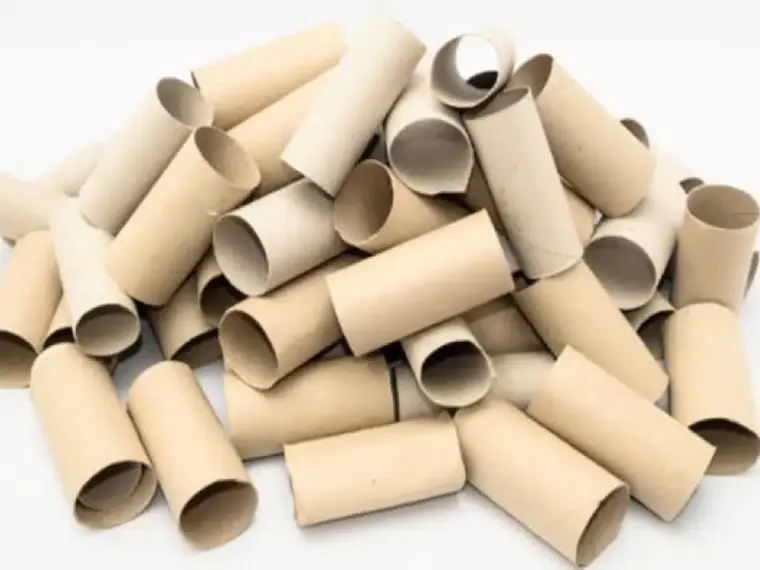
Every home produces them – empty toilet paper rolls. Most of the time, they’re tossed straight into the trash or recycling bin without a second thought.
But what if those humble cardboard tubes could be transformed into eco-friendly gardening tools that save money, reduce waste, and boost plant health?
Gardeners have long embraced creative upcycling, and toilet rolls are one of the easiest materials to reuse. They’re biodegradable, versatile, and free, making them perfect for a variety of garden hacks.
Why Toilet Paper Rolls Are Useful in the Garden
Before jumping into the hacks, let’s explore why toilet paper rolls are such a powerful gardening ally:
- Biodegradable: They break down naturally in soil without harming the environment.
- Soil-Friendly: As they decompose, they add organic matter that improves soil structure.
- Accessible & Free: Unlike store-bought seed pots or garden supplies, toilet rolls cost nothing extra.
- Customizable: You can cut, fold, stack, or shape them for different garden uses.
Now, let’s get into the 7 best ways to reuse them in your garden.
1. Toilet Roll Seed Starters
One of the most popular uses for toilet rolls is turning them into biodegradable seed pots.
How to Do It:
- Cut four slits on one end of the roll.
- Fold the flaps inward to create a bottom.
- Fill with seed-starting mix.
- Plant your seeds and water gently.
- Once seedlings are strong, transplant the entire roll into the garden.
Benefits:
- Roots grow right through the cardboard, reducing transplant shock.
- No need for plastic seed trays.
- Rolls keep soil moist longer.
Pro Tip: Place rolls in a shallow tray to keep them upright until seedlings are ready to move outdoors.
2. Root Training Tubes for Deep-Rooted Plants
Some plants, like beans, peas, and sunflowers, thrive when their roots grow deep. Toilet rolls provide the perfect mini root-training system.
How to Do It:
- Stand the rolls upright in a container.
- Fill with soil and sow large seeds like peas, beans, or sweet peas.
- Once the seedlings are 3–4 inches tall, plant the whole roll in the ground.
Benefits:
- Encourages deeper root systems for stronger plants.
- Prevents delicate roots from being disturbed during transplanting.
- Ideal for crops that hate being transplanted (like sweet peas).
3. Compost Boosters
Toilet rolls aren’t just containers – they’re excellent compost material.
How to Use:
- Tear rolls into smaller pieces before adding them to your compost bin.
- Mix with nitrogen-rich “greens” like kitchen scraps for balance.
Why It Works:
Cardboard is high in carbon, helping to balance the green-to-brown ratio in compost piles. This ensures faster decomposition and prevents odors.
Pro Tip: Flatten or shred the rolls to speed up breakdown.
4. Mulch & Weed Barriers
Weeds are a constant battle in any garden, but toilet rolls can be used as a natural weed suppressant.
How to Do It:
- Split rolls lengthwise and flatten them.
- Lay them around the base of plants as mulch.
- Cover with soil, grass clippings, or wood chips.
Benefits:
- Blocks sunlight to prevent weeds.
- Retains soil moisture around plant roots.
- Decomposes over time, enriching the soil.
5. Bug & Pest Deterrents
Young seedlings are often victims of cutworms, slugs, and other pests. Toilet rolls can be used as protective collars.
How to Do It:
- Cut a roll in half.
- Place it around the base of young seedlings, pushing it slightly into the soil.
Benefits:
- Protects tender stems from cutworms.
- Acts as a barrier against crawling pests.
- Biodegradable, so you don’t need to remove them later.
6. Bird & Beneficial Insect Feeders
Cardboard tubes can be transformed into simple feeders to attract pollinators and pest-eating birds.
How to Make a Bird Feeder:
- Spread peanut butter on the outside of a toilet roll.
- Roll it in birdseed.
- Slide the roll over a branch or stick.
How to Make a Bug Hotel:
- Stuff rolls with straw, twigs, or pine needles.
- Bundle several together and secure with string.
- Place in a sheltered area to attract beneficial insects like ladybugs or solitary bees.
Benefits:
- Encourages biodiversity in your garden.
- Provides natural pest control.
- Supports pollination for better harvests.
7. Storage for Garden Twine & Small Tools
Finally, toilet rolls can help with organization in the garden shed.
How to Do It:
- Use them to store garden twine or string neatly.
- Bundle small items like plant labels, stakes, or drip irrigation tubes.
Benefits:
- Keeps your shed tidy.
- Saves time hunting for supplies.
- Extends the life of your gardening materials.
Bonus Ideas: Extra Creative Uses
If you have more rolls piling up, here are a few extra garden hacks:
- Label Holders: Flatten and cut into strips for biodegradable plant labels.
- Pot Drainage: Place in the bottom of pots for better airflow and drainage.
- Fire Starters for Garden Bonfires: Stuff with dryer lint and use to light outdoor fires.
Tips for Using Toilet Rolls Safely in the Garden
While they’re generally safe, here are a few things to keep in mind:
- Avoid Printed Rolls: Use plain brown cardboard only.
- Don’t Overwater: Rolls can become soggy; place them in trays.
- Bury Deeply if Outdoors: Prevents them from drying out too quickly.
Environmental Impact: Small Steps, Big Difference
Every roll reused is one less item in the landfill. Considering the average household goes through 100+ rolls per year, reusing them in the garden helps reduce waste while improving sustainability.
By incorporating these little hacks, you’re not only saving money but also building a greener, more self-sufficient garden.
The next time you finish a roll of toilet paper, don’t see it as trash. See it as a mini seed pot, a compost booster, a bug protector, or a mulch strip.
These simple cardboard tubes can do more than you ever imagined – saving money, improving soil health, and helping your plants thrive naturally