In the world of gardening, not all plants are given the appreciation they deserve. Many homeowners and gardeners often find themselves in a constant battle against what they perceive as ‘weeds,’ pulling them out without a second thought. However, some of these so-called weeds are actually beneficial plants that contribute positively to our gardens and ecosystems. One such plant is the wild violet, a resilient and beautiful species that often gets a bad rap.
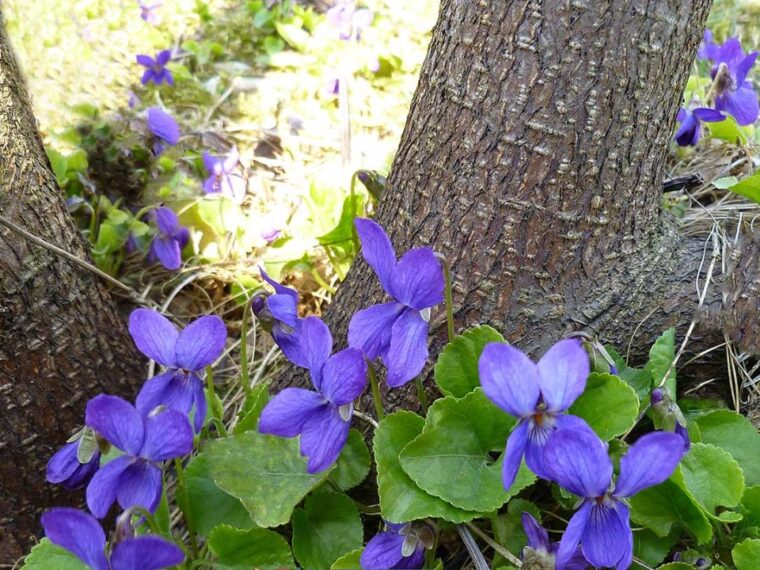
Wild violets, with their heart-shaped leaves and delicate purple flowers, are often dismissed as invasive weeds. Yet, these plants offer a plethora of benefits that are often overlooked. From their ecological contributions to their culinary and medicinal uses, wild violets are more than just a nuisance in your garden. This article aims to shed light on why you should stop pulling them up and start appreciating their presence.
1. Understanding Wild Violets: A Misunderstood Plant
Wild violets (Viola sororia) are perennial plants native to North America. They are often found in lawns, gardens, and woodlands, thriving in both sun and shade. These plants are characterized by their low-growing habit, reaching heights of about 4 to 6 inches. The leaves are heart-shaped, and the flowers, which bloom in early spring, are typically violet in color, although they can also be white or blue.
Despite their beauty, wild violets are often misunderstood and labeled as weeds due to their ability to spread quickly. They propagate through both seeds and rhizomes, allowing them to form dense mats that can outcompete other plants. However, this very characteristic makes them excellent ground cover, providing numerous ecological benefits.
2. The Ecological Benefits of Wild Violets
Wild violets play a crucial role in supporting local ecosystems. They are one of the first plants to bloom in the spring, providing an early source of nectar for pollinators such as bees and butterflies. This is particularly important as many pollinators emerge from hibernation and need sustenance.
Moreover, wild violets serve as host plants for several species of fritillary butterflies. The caterpillars of these butterflies feed on the leaves of violets, making them an essential part of their life cycle. By allowing wild violets to grow, you are supporting biodiversity and contributing to the health of local ecosystems.
3. Wild Violets as a Natural Ground Cover
One of the most practical uses of wild violets is as a natural ground cover. Their dense growth habit helps to suppress weeds, reducing the need for chemical herbicides. This is particularly beneficial in areas where you want to maintain a more natural landscape.
Wild violets are also drought-tolerant once established, requiring minimal maintenance. They can thrive in a variety of soil conditions, making them an excellent choice for areas where grass struggles to grow. By using wild violets as ground cover, you can create a lush, green carpet that is both beautiful and environmentally friendly.
4. The Nutritional Value of Wild Violets
Wild violets are not only beneficial for the environment but also for human consumption. The leaves and flowers of wild violets are edible and packed with nutrients. They are rich in vitamins A and C, making them a healthy addition to your diet.
The leaves can be used in salads, soups, and teas, while the flowers can be candied or used as a garnish. Incorporating wild violets into your meals is a great way to add a touch of nature to your diet while reaping the nutritional benefits they offer.
5. Medicinal Uses of Wild Violets
Historically, wild violets have been used in traditional medicine for their anti-inflammatory and soothing properties. They contain compounds such as salicylic acid, which is similar to the active ingredient in aspirin, making them useful for relieving pain and reducing inflammation.
Wild violets have also been used to treat respiratory conditions, skin ailments, and digestive issues. While more research is needed to fully understand their medicinal properties, wild violets continue to be valued in herbal medicine for their gentle yet effective healing qualities.
6. Wild Violets in Culinary Applications
In addition to their nutritional value, wild violets offer a unique flavor profile that can enhance various culinary creations. The flowers have a mild, sweet taste, making them perfect for use in desserts and beverages. They can be crystallized and used to decorate cakes or infused into syrups and vinegars for a floral touch.
The leaves, with their slightly peppery flavor, can be used in salads or as a cooked green similar to spinach. By experimenting with wild violets in your kitchen, you can discover new and exciting ways to incorporate these versatile plants into your meals.
7. Wild Violets and Biodiversity Support
Wild violets contribute significantly to biodiversity by providing habitat and food for various wildlife species. Their presence in gardens and natural areas supports a range of insects, birds, and small mammals, creating a balanced and thriving ecosystem.
By allowing wild violets to flourish, you are promoting a diverse and resilient environment. This biodiversity is crucial for the health of our planet, as it enhances ecosystem services such as pollination, pest control, and nutrient cycling.
8. How Wild Violets Improve Soil Health
Wild violets play a role in improving soil health by preventing erosion and enhancing soil structure. Their extensive root systems help to stabilize the soil, reducing the risk of erosion, especially on slopes and in areas with loose soil.
Additionally, wild violets contribute organic matter to the soil as their leaves and flowers decompose. This organic matter enriches the soil, improving its fertility and structure, which benefits other plants in the area.
9. Aesthetic Appeal: Wild Violets in Your Garden
Beyond their ecological and practical benefits, wild violets add aesthetic value to gardens with their charming appearance. Their vibrant flowers create a splash of color in early spring, brightening up any landscape.
Wild violets can be used in various garden designs, from naturalistic plantings to formal borders. Their versatility and beauty make them a valuable addition to any garden, providing visual interest and a connection to nature.
10. Common Misconceptions About Wild Violets
One common misconception about wild violets is that they are aggressive invaders that will take over your garden. While they can spread, they do so in a way that benefits the ecosystem rather than harming it. Their ability to cover ground quickly is an asset in areas where erosion control is needed.
Another misconception is that wild violets are difficult to manage. In reality, they require minimal care once established and can coexist with other plants. By understanding their growth habits and benefits, you can appreciate wild violets as valuable components of your garden.
11. How to Cultivate and Care for Wild Violets
If you decide to cultivate wild violets, it’s important to choose the right location. They prefer moist, well-drained soil and can thrive in both sun and partial shade. Plant them in areas where they have room to spread, such as under trees or along borders.
To care for wild violets, ensure they receive adequate water, especially during dry spells. While they are relatively low-maintenance, occasional weeding may be necessary to prevent them from overwhelming other plants. With proper care, wild violets can become a cherished part of your garden, offering beauty and ecological benefits for years to come.