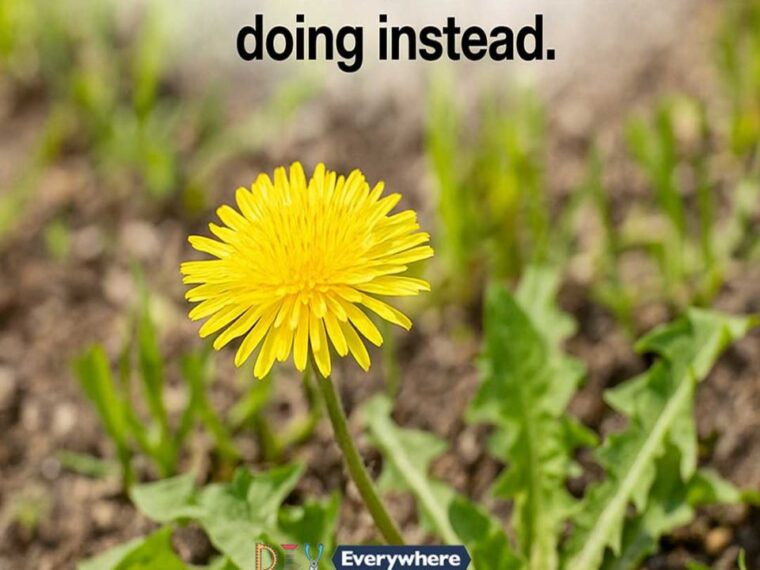
Dandelions, often dismissed as pesky weeds, are actually a remarkable plant with a myriad of benefits for both your garden and the environment. Before you reach for the weed killer or start pulling them out by the roots, consider the positive roles these bright yellow flowers can play in your ecosystem.
While they may not fit the traditional image of a pristine lawn, dandelions offer numerous advantages that can enhance the health and beauty of your garden. From supporting pollinators to providing nutritional benefits, dandelions are more than just a nuisance. In this article, we will explore why you should stop pulling out dandelions and what you can do instead to make the most of their presence.
1. Understanding the Role of Dandelions in Your Garden
Dandelions are often seen as invaders in the garden, but they actually play a crucial role in soil health. Their deep taproots can reach depths of up to 15 feet, breaking up compacted soil and allowing air and water to penetrate more effectively. This natural aeration process can improve the overall structure of the soil, making it more hospitable for other plants.
Additionally, dandelions are known for their ability to accumulate nutrients such as calcium and potassium from deep within the soil. When the plant dies and decomposes, these nutrients are released back into the soil, enriching it and making it more fertile for other plants. By leaving dandelions in your garden, you can naturally enhance the nutrient profile of your soil without the need for chemical fertilizers.
2. The Ecological Benefits of Dandelions
Dandelions are one of the first flowers to bloom in the spring, providing an essential source of nectar and pollen for early-emerging pollinators. Bees, butterflies, and other insects rely on dandelions as a food source when other flowers have yet to bloom. By allowing dandelions to flourish, you are supporting the health and survival of these important pollinators.
Moreover, dandelions can help prevent soil erosion. Their extensive root systems hold the soil in place, reducing the risk of erosion caused by wind and water. This is particularly beneficial in areas with loose or sandy soil, where erosion can be a significant problem.
3. Dandelions as a Source of Nutrition
Dandelions are not just beneficial for the garden; they are also highly nutritious for humans. Every part of the dandelion plant is edible, from the roots to the flowers. Dandelion greens are rich in vitamins A, C, and K, as well as minerals like iron and calcium. Just one cup of dandelion greens can provide over 100% of your daily recommended intake of vitamin A.
The roots of the dandelion can be roasted and used as a caffeine-free coffee substitute, while the flowers can be used to make dandelion wine or added to salads for a splash of color and flavor. Incorporating dandelions into your diet can be a healthy and sustainable way to benefit from this versatile plant.
4. How Dandelions Support Pollinators
Dandelions are a vital food source for pollinators, particularly in early spring when other flowers are scarce. Bees, in particular, are attracted to the bright yellow flowers and rely on them for nectar and pollen. By supporting pollinators, dandelions play a crucial role in the pollination of many other plants, including fruits and vegetables.
Encouraging dandelions in your garden can help create a more pollinator-friendly environment, which in turn can lead to better yields in your vegetable garden. Studies have shown that gardens with a diverse range of flowering plants, including dandelions, tend to have healthier and more productive ecosystems.
5. Using Dandelions for Natural Remedies
Dandelions have been used in traditional medicine for centuries, and modern research is beginning to uncover their potential health benefits. The leaves and roots of the dandelion plant have diuretic properties, which can help with detoxification and support kidney health. Dandelion root tea is often used as a natural remedy for digestive issues and to support liver function.
In addition to their diuretic effects, dandelions are also rich in antioxidants, which can help reduce inflammation and support overall health. Incorporating dandelions into your wellness routine can be a natural and effective way to support your body’s health.
6. Dandelions in Culinary Delights
Dandelions are a versatile ingredient that can be used in a variety of culinary dishes. The young leaves can be eaten raw in salads or cooked like spinach. Their slightly bitter taste pairs well with sweet and tangy dressings. Dandelion flowers can be used to make dandelion wine, a traditional beverage with a unique flavor profile.
The roots can be roasted and ground to make a coffee substitute, offering a rich and earthy flavor without the caffeine. By experimenting with dandelions in your cooking, you can discover new flavors and add a nutritious element to your meals.
7. How to Manage Dandelions Without Pulling Them Out
If you’re concerned about dandelions taking over your garden, there are ways to manage them without resorting to pulling them out. Regular mowing can help keep dandelions in check by preventing them from going to seed. Setting your mower to a higher setting will allow you to maintain a healthy lawn while keeping dandelions under control.
Another strategy is to encourage a diverse range of plants in your garden. A healthy, biodiverse garden is less likely to be dominated by any one species, including dandelions. By planting a variety of grasses, flowers, and shrubs, you can create a balanced ecosystem that naturally limits the spread of dandelions.
8. Popular Viral Hacks for Using Dandelions
In recent years, dandelions have gained popularity in the world of DIY and home remedies. Social media platforms are filled with creative hacks for using dandelions, from making homemade dandelion salves for skin care to crafting dandelion-infused oils for cooking.
One viral hack involves making dandelion jelly, which captures the essence of the flowers in a sweet and tangy spread. Another popular idea is to create dandelion flower crowns, a fun and whimsical activity for children and adults alike. These hacks not only make use of dandelions in innovative ways but also highlight their versatility and charm.
9. Creating a Balanced Garden Ecosystem
A balanced garden ecosystem is one where all elements work together harmoniously. Dandelions can play an important role in this balance by supporting pollinators, enriching the soil, and providing food for wildlife. By allowing dandelions to coexist with other plants, you can create a more resilient and self-sustaining garden.
Incorporating native plants alongside dandelions can further enhance biodiversity and support local wildlife. Native plants are adapted to the local climate and soil conditions, making them an excellent complement to dandelions in creating a thriving garden ecosystem.
10. The Cultural Significance of Dandelions
Dandelions have held cultural significance in various societies throughout history. In some cultures, dandelions are seen as symbols of resilience and perseverance due to their ability to thrive in challenging conditions. In others, they are associated with wishes and dreams, with children blowing on dandelion seeds to make a wish.
In traditional Chinese medicine, dandelions are used for their healing properties, and in European folklore, they are associated with love and happiness. Understanding the cultural significance of dandelions can deepen our appreciation for this humble plant and its place in our gardens and lives.
11. Encouraging Biodiversity with Dandelions
Biodiversity is crucial for a healthy and resilient garden ecosystem, and dandelions can play a key role in promoting it. By providing food and habitat for a wide range of insects and animals, dandelions help support a diverse array of species. This diversity can lead to a more balanced and stable ecosystem, reducing the likelihood of pest outbreaks and disease.
Encouraging dandelions in your garden can also attract beneficial insects, such as ladybugs and lacewings, which help control pest populations. By fostering biodiversity, you can create a more sustainable and self-regulating garden that requires fewer interventions and supports a wider range of life.