Gardening enthusiasts often encounter various surprises in their green spaces, and discovering unfamiliar growths can be both intriguing and concerning. One such discovery is the appearance of green, fuzzy patches that may seem like signs of decay or neglect. This article aims to address the common question: should you get rid of this green stuff or let it thrive?
Before making any decisions, it’s crucial to identify what this green growth is and understand its role in your garden ecosystem. While it might initially appear as an unwelcome guest, it could potentially offer benefits that enhance your garden’s health and aesthetics.
1. Identifying the Green Stuff: Is It Moss or Mold?
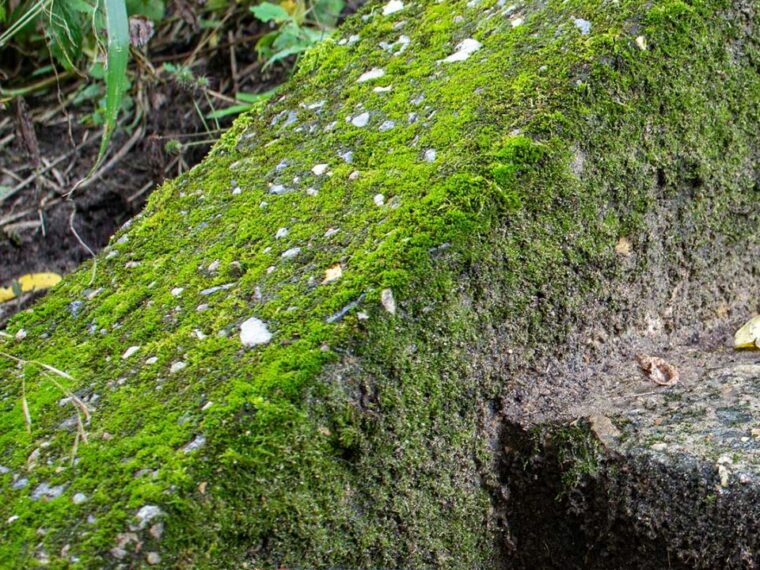
The first step in addressing the green growth in your garden is to correctly identify it. Moss and mold are often confused due to their similar appearance, but they have distinct characteristics. Moss is a small, non-vascular plant that typically forms dense green clumps or mats in damp or shaded areas. It lacks flowers and seeds, reproducing instead through spores. Mold, on the other hand, is a type of fungus that can appear in various colors, including green, and often thrives in moist environments.
To differentiate between moss and mold, observe the texture and location. Moss usually feels soft and spongy, while mold can be slimy or powdery. Moss is commonly found on soil, rocks, or tree trunks, whereas mold is more likely to appear on decaying organic matter. If the green growth is moss, it’s generally harmless and can even be beneficial to your garden.
2. Understanding the Role of Moss in Your Garden
Moss plays a unique role in garden ecosystems, often acting as a pioneer species that colonizes bare or disturbed soil. It helps stabilize the soil, preventing erosion and providing a foundation for other plants to grow. Moss thrives in shaded, moist environments, making it an indicator of healthy soil conditions.
In addition to stabilizing soil, moss can also improve soil fertility by retaining moisture and nutrients. Its presence can indicate a balanced ecosystem, where moisture levels and soil pH are conducive to plant growth. Understanding these roles can help gardeners appreciate the benefits of moss and consider its potential contributions to their garden.
3. The Benefits of Keeping Moss Around
Moss offers several benefits that can enhance the overall health and appearance of your garden. One of its primary advantages is its ability to retain moisture, which can be particularly beneficial during dry spells. By maintaining soil moisture levels, moss can reduce the need for frequent watering and help conserve water resources.
Moreover, moss can improve air quality by absorbing pollutants and producing oxygen, similar to other green plants. Its dense growth can also suppress weed development, reducing competition for nutrients and space among your garden plants. These benefits make moss a valuable addition to many gardens, particularly those seeking sustainable and low-maintenance solutions.
4. Moss as a Natural Moisture Retainer
Moss’s structure allows it to absorb and retain significant amounts of water, making it an excellent natural moisture retainer. This characteristic is particularly useful in gardens with sandy or well-draining soils, where water retention can be a challenge. By holding onto moisture, moss helps maintain consistent soil hydration, benefiting surrounding plants.
In addition to conserving water, moss can also moderate soil temperature by providing a protective layer that insulates the ground. This can be especially advantageous in regions with extreme temperature fluctuations, as it helps create a more stable environment for plant roots.
5. Enhancing Garden Aesthetics with Moss
Moss can add a unique and tranquil beauty to gardens, offering a lush, green carpet that complements other plants and landscape features. Its soft texture and vibrant color can create a serene atmosphere, making it a popular choice for Japanese gardens and shaded woodland areas.
Gardeners can use moss to accentuate pathways, rock gardens, or water features, adding depth and visual interest to the landscape. Its ability to thrive in shaded areas also makes it an ideal ground cover for spots where traditional grass may struggle to grow, providing a low-maintenance alternative that enhances garden aesthetics.
6. Moss as a Habitat for Beneficial Insects
Moss provides a habitat for a variety of beneficial insects, contributing to the ecological balance of your garden. It offers shelter and breeding grounds for insects like beetles, spiders, and springtails, which play crucial roles in pest control and pollination.
By supporting these beneficial insects, moss helps maintain a healthy garden ecosystem, reducing the need for chemical pesticides and promoting biodiversity. Encouraging such habitats can lead to a more resilient garden that thrives with minimal human intervention.
7. Environmental Considerations: Moss and Biodiversity
Moss contributes to biodiversity by supporting a wide range of organisms, from microscopic bacteria to larger insects and small mammals. Its presence can indicate a healthy, balanced ecosystem, as it often thrives in areas with clean air and water.
In addition to supporting biodiversity, moss can also play a role in carbon sequestration. Like other plants, moss absorbs carbon dioxide during photosynthesis, helping mitigate the effects of climate change. By fostering moss growth, gardeners can contribute to environmental conservation efforts on a small scale.
8. Common Misconceptions About Moss
One common misconception about moss is that it indicates poor garden health or neglect. In reality, moss often thrives in healthy, well-balanced ecosystems where moisture and shade are abundant. Its presence can be a sign of a thriving garden environment.
Another misconception is that moss competes with other plants for resources. While moss does occupy space, it typically coexists with other plants without hindering their growth. Its ability to retain moisture can even benefit neighboring plants by maintaining consistent soil hydration levels.
9. Viral Hacks: Creative Uses for Moss in Landscaping
Moss has gained popularity in recent years for its versatility in landscaping and creative garden projects. One viral trend is the use of moss graffiti, where moss is used to create living art on walls and other surfaces. This eco-friendly alternative to traditional graffiti adds a touch of nature to urban environments.
Another creative use for moss is in terrariums and indoor gardens, where it adds a lush, green element that requires minimal maintenance. Moss can also be used to create natural-looking ground covers for potted plants or to line hanging baskets, enhancing their visual appeal.
10. When to Consider Removing Moss
While moss offers numerous benefits, there are situations where its removal may be necessary. If moss is growing in areas where it poses a safety hazard, such as on walkways or roofs, it may need to be removed to prevent slips or structural damage.
Additionally, if moss is competing with desired plants for space or resources, it may be necessary to manage its growth. In such cases, gardeners can use physical removal methods or adjust environmental conditions, such as increasing sunlight or improving drainage, to discourage moss proliferation.
11. Sustainable Practices for Managing Moss in Your Garden
For gardeners who wish to manage moss growth sustainably, several practices can be employed. Regularly monitoring and adjusting environmental conditions, such as light and moisture levels, can help control moss growth without resorting to chemical treatments.
In areas where moss is undesirable, physical removal methods, such as raking or hand-pulling, can be effective. These methods minimize environmental impact and preserve the garden’s ecological balance. By adopting sustainable practices, gardeners can enjoy the benefits of moss while maintaining control over its presence in their landscapes.