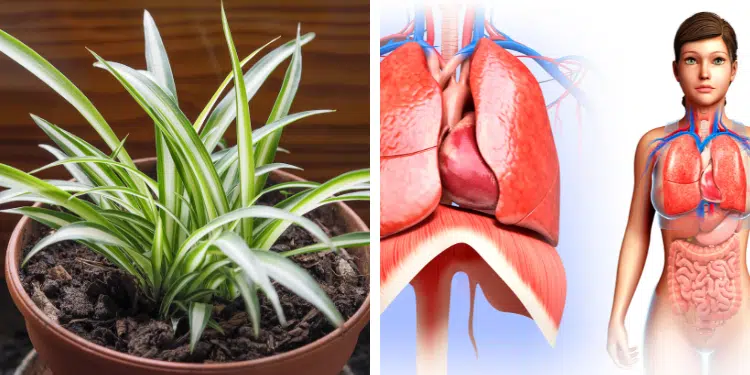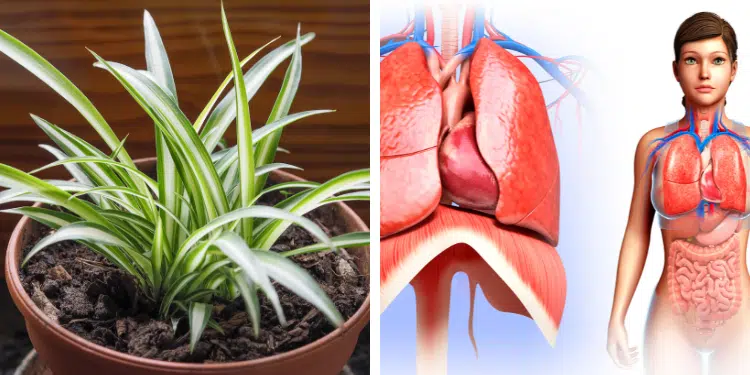
Spider plants have quietly become one of the most recommended houseplants for bedrooms – and not just because they’re easy to care for.
These hardy, elegant, arching plants are powerful natural air purifiers. Research shows they can remove harmful toxins from indoor spaces, improve humidity levels, support better sleep, and make bedrooms feel fresher and healthier.
In a world where indoor air can be significantly more polluted than outdoor air, having a plant that actively improves your environment is more valuable than ever.
Here’s why every bedroom should have a spider plant – and how this simple plant helps protect your health while you sleep.
Indoor Air Pollution: The Hidden Problem in Most Homes
Many people are surprised to learn that the air inside their home can be 2 to 5 times more polluted than the air outdoors.
Because bedrooms are often smaller, closed-off spaces with limited ventilation, toxins can accumulate quickly.
Common indoor pollutants include:
- formaldehyde from furniture and flooring
- benzene from paints and plastics
- carbon monoxide from heating systems
- xylene and toluene from household cleaning products
- VOCs (volatile organic compounds) from mattresses, bedding, and carpets
- dust and allergens that collect at night
Since we spend 6–9 hours sleeping in the same room every night, exposure to these pollutants can affect sleep quality, respiratory health, and overall energy levels.
This is where spider plants shine.
Spider Plants Are Top Performers in Natural Air Purification
Spider plants are known as one of the best natural air cleaners. The famous NASA Clean Air Study highlighted spider plants among the top indoor plants for removing harmful toxins.
Spider plants help eliminate:
Formaldehyde
Found in furniture, carpets, paint, and cleaning agents.
Benzene
Released by plastics, adhesives, detergents, and synthetic fabrics.
Carbon monoxide
Common in homes with gas stoves or heating systems.
Xylene & Toluene
Found in glues, solvents, and building materials.
Spider plants work through a combination of absorbing pollutants through their leaves and sending them down to the soil, where microorganisms break them down naturally.
Even one spider plant can noticeably improve the air quality in a bedroom – and larger rooms benefit from multiple plants.
Spider Plants Improve Sleep Quality
Clean air is essential for restful sleep. When the air in your bedroom is full of chemicals or allergens, your body has to work harder to breathe. This can lead to:
- shallow breathing
- snoring
- nasal congestion
- headaches
- restlessness
- poor sleep cycles
Spider plants help create a cleaner sleeping environment by:
- removing toxins
- adding gentle humidity to the air
- reducing airborne allergens
- helping stabilize the breathing environment
People often report sleeping more deeply and waking up more refreshed once they start keeping spider plants in the bedroom.
They Increase Oxygen Levels at Night
Not all plants release oxygen at night – many only release oxygen during the day and take in oxygen at night.
But spider plants, like snake plants and orchids, continue producing oxygen even after the sun goes down.
In bedrooms that are closed up at night:
- oxygen levels drop
- carbon dioxide levels rise
- the air becomes stale and heavy
Spider plants help counter this by adding fresh oxygen back into the room, supporting better breathing and higher-quality rest.
Spider Plants Are Excellent for People With Allergies or Asthma
Spider plants steadily reduce airborne particles such as:
- dust
- pet dander
- molds
- allergens from carpets and curtains
Their long, arching leaves naturally trap dust, removing it from the air you breathe. Many allergy sufferers notice improvements when they keep spider plants in their living spaces, especially in sleeping areas where dust accumulates easily.
Because they add gentle humidity without causing dampness, spider plants can also help soothe irritated airways and reduce nighttime coughing.
A Natural Humidifier for Dry Bedrooms
Dry indoor air – especially in winter or in homes with heating systems – can cause:
- dry throat
- cracked lips
- skin dryness
- sinus irritation
- increased snoring
Spider plants release moisture into the air through transpiration. This helps maintain a healthy humidity level in the bedroom, protecting the respiratory system and improving overall comfort.
This natural humidifying effect is gentle and continuous, unlike electric humidifiers that can create too much moisture or require constant cleaning.
Spider Plants Can Boost Mood and Reduce Stress
Spider plants are not just physically beneficial; they also support emotional well-being.
Studies show that being around indoor plants can:
- reduce stress levels
- increase feelings of calm
- enhance mental clarity
- stabilise mood
- contribute to relaxation
This psychological effect is especially valuable in bedrooms – the place where you unwind, recharge, and prepare for sleep.
Their soft, flowing leaves and natural green color create a visually soothing presence that makes the bedroom feel more peaceful.
Pet-Friendly and Safe for Kids
Another major advantage is that spider plants are non-toxic for pets and children. Many popular indoor plants can cause digestive distress if chewed, but spider plants are harmless.
This makes them perfect for:
- family bedrooms
- nurseries
- homes with cats (who often love the leaves!)
- guest rooms
- pet-friendly households
Few air-purifying plants offer the same safety along with effectiveness.
Spider Plants Are Extremely Low Maintenance
One of the reasons spider plants are recommended even for complete beginners is their forgiving nature.
They thrive on minimal care, which makes them ideal for bedrooms where plants are often overlooked.
Spider plants require:
- indirect light (they don’t need sun)
- watering once a week or when soil dries
- occasional trimming
- average indoor temperatures
They tolerate low light environments, making them perfect for dim bedrooms far away from windows.
Spider plants also bounce back quickly from neglect, making them one of the most resilient indoor plants available.
They Produce “Spiderettes” – Natural Air Purifiers You Can Multiply
Perhaps one of the most charming features of spider plants is their ability to produce “pups” or baby plants. These plantlets hang from the mother plant like little stars on a string.
Each spiderette can be:
- rooted in water
- planted in soil
- gifted to someone
- used to propagate more bedroom plants
This makes the spider plant a renewable air purification system. Over time, you can multiply your plants for free and place them in different bedrooms or around the house.
They Make Bedrooms Feel Fresh, Clean, and Inviting
Because spider plants are natural air purifiers, oxygen producers, and mild humidifiers, they create a noticeably fresher atmosphere.
Many people even describe the bedroom as feeling “lighter” or “cleaner” after adding a spider plant.
This makes them perfect for:
- small apartments
- rooms with limited ventilation
- basements being used as bedrooms
- homes with stale or dry air
- modern houses with sealed windows
A single plant can transform the feeling of an entire room.
Spider Plants and Toxins: The Science Behind Their Detoxifying Power
Spider plants reduce indoor pollution through a process called phytoremediation, where plants absorb and neutralize contaminants in the air.
Here’s how the process works:
1. Leaves absorb toxins
Pollutants settle on the leaves or are drawn in through tiny pores.
2. They are transported to the roots
The plant moves harmful compounds downward.
3. Soil microbes break down pollutants
Beneficial organisms in the soil convert toxins into harmless substances.
4. Clean air is released
The plant releases fresh oxygen and moisture back into the room.
Spider plants are especially efficient because of their long, narrow leaves that expose more surface area to the air.
Where to Place a Spider Plant in the Bedroom
To maximize health benefits, place your spider plant:
- on a dresser near the bed
- on a windowsill with filtered light
- on a nightstand
- in a hanging basket above the bed
- in the corner of the room where air tends to stagnate
Avoid placing it in direct sunlight, as spider plants prefer gentle, indirect light.
If the bedroom is large, having two or three spider plants will create the best results for air purification.
Spider plants may look simple, but their benefits are profound.
They quietly clean your air, increase oxygen, reduce allergens, gently humidify the room, and support restful sleep.
On top of that, they’re safe for pets, incredibly low maintenance, and visually calming – everything you want in a bedroom plant