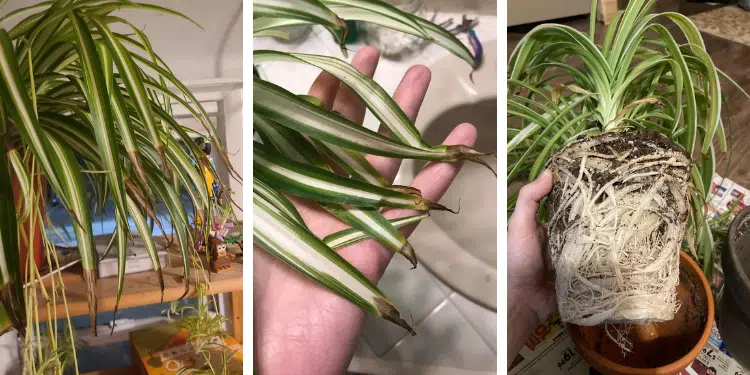
Spider plants (Chlorophytum comosum) are among the easiest houseplants to grow, yet one problem frustrates almost every plant owner at some point: brown leaf tips. These dry, crispy ends can make an otherwise healthy plant look stressed and neglected.
April is the perfect time to fix this.
As light increases and growth resumes after winter, spider plants enter an active phase.
This makes spring the ideal moment to correct underlying issues, restore leaf health, and encourage fresh, vibrant growth without browning.
Why Spider Plants Get Brown Tips
Before fixing the issue, it’s important to understand the cause.
Brown tips are not usually a disease – they are a stress signal. The plant is reacting to environmental factors such as:
- Mineral buildup in soil
- Inconsistent watering
- Low humidity
- Poor water quality
- Fertilizer excess
Spider plants are sensitive, especially to salts and chemicals. Even small imbalances can show up as browning at the leaf tips.
The good news is that once you correct these conditions, new growth will come in clean and healthy.
1. Flush the Soil to Remove Salt Buildup
One of the most common causes of brown tips is mineral and salt accumulation in the soil.
Over time, fertilizers and tap water leave behind residues. These salts build up around the roots and interfere with water absorption, causing the tips of the leaves to dry out.
April is the ideal time to reset the soil.
Water the plant thoroughly until excess water drains out from the bottom of the pot. This process helps wash away accumulated salts and refresh the root environment.
After flushing, allow the soil to drain completely. Good drainage is essential – standing water can cause root rot.
When this buildup is removed, the plant can absorb water more efficiently, and new leaves begin to grow without damage.
2. Improve Water Quality
Spider plants are particularly sensitive to chemicals commonly found in tap water, such as chlorine and fluoride. These substances can contribute directly to brown tips.
Switching to better-quality water can make a noticeable difference.
Rainwater is one of the best options, as it is naturally soft and free of added chemicals. Filtered water is another good alternative. If neither is available, letting tap water sit for 24 hours before use can help reduce chlorine content.
This small change often leads to healthier leaf tips within weeks, especially during the active growth period in spring.
3. Adjust Your Watering Routine
Watering is one of the most misunderstood aspects of spider plant care.
Both overwatering and underwatering can lead to brown tips, but the symptoms may look similar. The key is finding balance.
Spider plants prefer soil that stays slightly moist but not soggy. In April, as growth increases, they will need more water than in winter – but not excessively so.
Water when the top layer of soil feels dry, but before the plant becomes completely dehydrated. Deep watering is more effective than frequent light watering, as it encourages stronger root development.
Consistent moisture helps prevent stress, and reducing stress is the fastest way to stop browning.
4. Increase Humidity Around the Plant
Indoor air is often dry, especially after winter heating. Low humidity can cause leaf tips to dry out, even if watering is correct.
Spider plants naturally prefer moderate humidity levels. In April, improving humidity can significantly reduce browning.
You don’t need anything complicated. Placing a small tray of water near the plant, grouping plants together, or occasionally misting can help create a more suitable environment.
As humidity improves, leaves retain moisture more effectively, and the tips are less likely to dry and turn brown.
5. Trim Damaged Tips the Right Way
Once leaf tips turn brown, they won’t recover. However, trimming them properly can improve the plant’s appearance and prevent further stress.
Use clean, sharp scissors and cut along the natural shape of the leaf, removing only the brown portion. Avoid cutting into the healthy green area, as this can create additional stress.
This simple step won’t stop browning on its own, but combined with proper care, it helps the plant redirect energy into new, healthy growth.
Over time, as new leaves emerge, the plant will regain its full, vibrant appearance.
6. Repot If the Soil Is Old or Compacted
If your spider plant has been in the same pot for a long time, the soil may no longer support healthy growth.
Old soil becomes compacted, reducing airflow and drainage. It can also hold onto excess salts and minerals, even after flushing.
April is one of the best times to repot.
Choose a pot slightly larger than the current one, and use fresh, well-draining potting mix. This provides a clean environment where roots can expand and absorb water efficiently.
Repotting often leads to noticeable improvement:
- Healthier roots
- Faster growth
- Reduced leaf tip browning
Spider plants adapt quickly to new soil, especially during spring.
Additional Factors That Influence Brown Tips
While the six steps above address the main causes, a few additional factors can influence leaf health.
Light
Spider plants prefer bright, indirect light. Too much direct sunlight can scorch leaves, while low light slows growth and recovery.
Temperature
Moderate temperatures between 18–27°C (65–80°F) are ideal. Sudden changes or cold drafts can stress the plant.
Fertilizer use
Over-fertilizing is a common mistake. In spring, a light feeding once a month is enough. Excess fertilizer contributes to salt buildup and increases browning.
How Long Does It Take to See Results?
After correcting the conditions, improvement does not happen instantly—but it begins quickly.
Within 2–3 weeks:
- New leaves should appear healthier
- Browning should stop spreading
Within a full growing cycle:
- The plant becomes fuller
- Leaf color improves
- Overall health stabilizes
Consistency is key. The plant needs time to recover and produce new growth.
Preventing Brown Tips Long-Term
Once you’ve solved the problem, maintaining the right environment will prevent it from returning.
Use clean water whenever possible. Keep a consistent watering routine. Avoid over-fertilizing, and refresh soil when needed.
Regular observation also helps. Spider plants respond quickly to changes, so catching small issues early prevents larger problems later.
Brown tips on spider plants are frustrating – but they are also fixable. April gives you the perfect opportunity to reset your plant’s environment and support healthy growth.