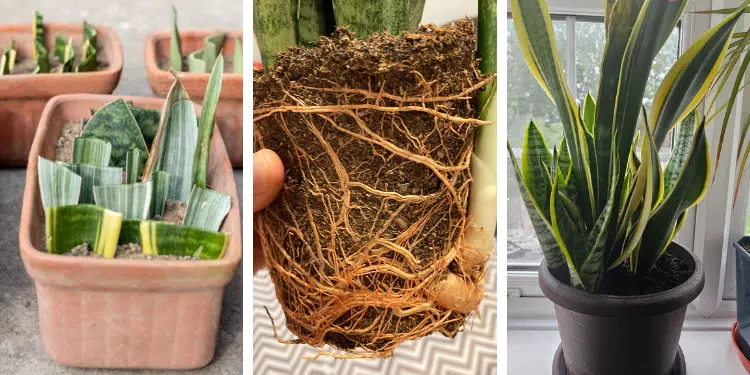
Snake plants (Dracaena trifasciata, formerly Sansevieria) are often described as slow growers – but that’s only partially true.
Under the right conditions, especially in spring, they can accelerate growth, produce new shoots (pups), and become much fuller within a single season.
April is the turning point. After months of winter dormancy, your snake plant begins responding to increased light, warmer temperatures, and improved care.
If you adjust your routine now, you can dramatically improve both growth speed and plant structure.
Understanding Snake Plant Growth in Spring
Snake plants store water and energy in their thick leaves and underground rhizomes. During winter, they conserve that energy. In April, they begin using it.
This is when:
- Roots become more active
- Rhizomes expand underground
- New leaves begin forming below the soil surface
Unlike many plants, snake plants don’t always show immediate growth above soil. Much of the real activity happens underground first.
That’s why proper care in April is so important – it determines how strong that hidden foundation becomes.
1. Increase Light the Smart Way (The Growth Trigger)
Light is the single most powerful factor controlling snake plant growth.
While snake plants are known for surviving in low light, they do not thrive there. In dim conditions, they simply maintain themselves. In brighter conditions, they grow.
In April, natural light increases, and this is your chance to reposition your plant.
Move it closer to a window where it receives bright, indirect light for most of the day. A few hours of gentle morning sun can significantly boost growth, but harsh afternoon sun should be introduced gradually to avoid leaf stress.
When a snake plant receives enough light, several changes happen internally:
- Photosynthesis increases
- Energy production rises
- Growth hormones become more active
This results in:
- Faster leaf emergence
- Thicker, stronger leaves
- More upright growth
If your plant has been sitting in a dark corner all winter, don’t move it into intense light immediately. Gradual adjustment over several days prevents shock.
A well-lit snake plant in spring can grow 2–3 times faster than one kept in low light.
2. Adjust Watering to Match New Growth
Watering in spring should follow the plant’s natural rhythm – not a fixed schedule.
In winter, snake plants require very little water. But in April, as growth resumes, their water needs increase slightly. The key word is slightly.
The biggest mistake people make is switching from “almost no water” to “regular watering.” This often leads to root rot just as the plant is starting to grow.
Instead, think in terms of deep but infrequent watering.
Water thoroughly, allowing excess water to drain out completely, then wait until the soil dries out entirely before watering again. The drying period is essential – it allows roots to breathe and prevents fungal issues.
Healthy spring watering supports:
- Root expansion
- Nutrient uptake
- Stable leaf growth
But too much water disrupts oxygen flow in the soil, suffocating roots and stopping growth altogether.
A good way to judge is to check deeper soil, not just the surface. Snake plant roots extend downward, and moisture trapped below can linger longer than expected.
3. Refresh the Root Environment (The Hidden Growth Engine)
Most people focus on leaves, but with snake plants, the real growth engine is underground.
By April, the soil your plant has been sitting in all winter may be compacted, depleted, or poorly aerated. Even if the plant looks fine, the roots may not be in ideal conditions for expansion.
Refreshing the soil – either partially or fully – can dramatically improve growth.
When you repot or loosen the soil:
- Oxygen reaches the roots more easily
- Water drains more effectively
- Roots can spread without resistance
Snake plants prefer tight spaces, but they don’t like suffocating soil. There’s a difference between being slightly root-bound and being trapped in dense, exhausted soil.
If you notice slow growth, heavy soil, or roots circling tightly at the bottom, April is the perfect time to intervene.
Use a fast-draining mix – something designed for succulents or cacti works well. This mimics the plant’s natural environment and prevents moisture buildup.
After refreshing the soil, it’s common to see:
- Faster pup production
- More vigorous leaf growth
- Healthier root structure
4. Feed Lightly to Activate Growth (Without Overdoing It)
Snake plants are not heavy feeders, but in spring, a small nutrient boost can make a noticeable difference.
During winter, feeding is unnecessary because the plant isn’t actively growing. In April, however, the plant begins using nutrients again to support new development.
A diluted, balanced fertilizer applied occasionally can:
- Encourage new shoots
- Strengthen leaf structure
- Support overall plant vitality
The key is moderation. Snake plants evolved in nutrient-poor environments, so they are sensitive to excess fertilizer. Too much can lead to salt buildup in the soil, damaging roots and slowing growth.
Think of feeding as a gentle nudge – not a push.
If your plant is receiving strong light and proper watering, even minimal feeding can amplify growth results.
5. Encourage New Growth Through Division and Space Management
Snake plants grow outward through underground rhizomes, producing new shoots called pups. These pups eventually form new plants.
April is the ideal time to encourage this natural expansion.
If your plant is crowded, you have two options:
- Leave it as is to create a dense, full pot
- Divide it to stimulate new growth in multiple plants
Division not only multiplies your plant collection but also activates growth energy. When separated, each section focuses on establishing itself, often resulting in faster visible development.
Even if you don’t divide, simply loosening the root system slightly during repotting can stimulate new activity.
Growth is not just about what happens above soil – it’s about giving the plant room and conditions to expand below it.
Creating the Ideal Spring Environment
Snake plants respond strongly to their environment, and small adjustments can lead to major improvements.
Warmth is essential. These plants prefer temperatures between 18–29°C (65–85°F). Cold drafts or sudden temperature drops can slow or halt growth.
Air circulation also plays a role. While snake plants tolerate still air, gentle airflow helps maintain a healthier environment and reduces the risk of fungal issues.
Clean leaves are another overlooked factor. Dust buildup reduces light absorption, which directly impacts growth. Wiping leaves occasionally allows the plant to photosynthesize more efficiently.
Recognizing Healthy Growth Signs
When your April care is working, your snake plant will begin to show subtle but clear changes.
You may notice:
- New shoots emerging from the soil
- Leaves becoming firmer and more upright
- Richer green coloration
- Faster vertical growth
These signs often appear gradually, but once growth begins, it tends to accelerate.
Mistakes That Slow Growth (Even in Spring)
Even with good intentions, certain habits can prevent snake plants from reaching their full potential.
Overwatering remains the most common issue. It’s especially dangerous in spring because the plant is active, but still sensitive.
Low light is another silent problem. The plant may survive, but growth will be minimal.
Using heavy, compact soil restricts root development, while oversized pots retain too much moisture and slow down growth.
Understanding these factors allows you to avoid them—and keep your plant progressing steadily.
Indoor vs Outdoor Growth in April
In warmer climates, snake plants can be moved outdoors in spring, but only once temperatures remain consistently above 15°C (60°F).
Outdoor conditions often accelerate growth due to:
- Increased light
- Better airflow
- Natural temperature variation
However, sudden exposure to direct sun can stress the plant. Gradual acclimation is essential.
In cooler regions, keeping the plant indoors near a bright window will still provide excellent results.
Snake plants may have a reputation for being slow, but in reality, they are responsive growers when given the right conditions – especially in spring.