Spam, a canned meat product, has been a staple in many households since its introduction in the 1930s. Known for its long shelf life and versatility, it’s often a go-to for quick meals and emergency supplies. However, like any food product, it can sometimes raise questions about its contents and safety.
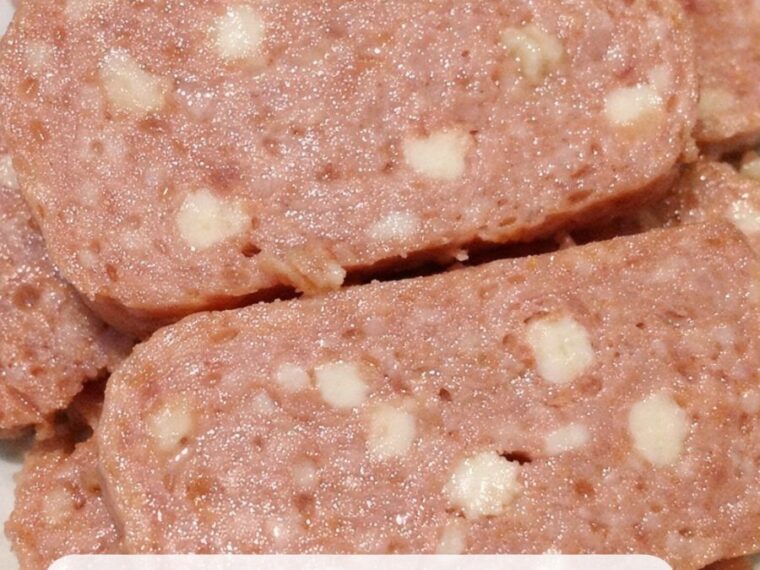
One common concern among consumers is the appearance of firm white chunks within the meat when it’s sliced open. This can be alarming, as it raises the question of whether these chunks are safe to eat or if they indicate spoilage. In this article, we’ll explore what these white chunks are, how to identify them, and when they might be a cause for concern.
1. What Those Firm White Chunks in Spam Actually Are
The firm white chunks often found in Spam are typically pieces of pork fat. Spam is made primarily from pork shoulder and ham, and during the cooking and canning process, fat from the meat can solidify into white chunks.
These chunks are generally harmless and are part of the natural composition of Spam. The presence of pork fat is consistent with the product’s recipe and contributes to its flavor and texture. The chunks can vary in size but are often small, typically less than a centimeter in diameter.
2. How to Tell Normal Pork Fat From Mold or Spoilage
Distinguishing pork fat from mold or spoilage involves examining the texture, color, and smell of the Spam. Pork fat is firm and white and should not have any unusual odor. It is typically well integrated into the meat.
Mold or spoilage, on the other hand, might present as fuzzy or slimy textures and could be accompanied by an off-putting smell. Mold can appear in various colors, such as green or black, which is distinct from the clean white of pork fat.
3. The Science of How Spam Sets and Why Fat Can Look Like White Spots
Spam is cooked inside the can during the production process, which causes the proteins and fats to set in place as they cool. This setting process can lead to the formation of solidified fat chunks.
The fat in the meat rises to the surface and solidifies as it cools, which can create the appearance of white spots. This is a natural occurrence in processed and cooked meats, especially those that are canned.
4. Visual Signs Your Spam Has Gone Bad
Visual cues that indicate that Spam may have gone bad include discoloration, such as a greenish or blackish hue, which can suggest mold growth. Additionally, a bulging can may indicate bacterial activity inside.
If the meat appears slimy or exhibits any unusual textures, these are also signs that the Spam may not be safe to consume.
5. Smell and Texture Checks: Quick Tests Before You Eat
Before consuming Spam, it’s wise to conduct a quick smell test. Fresh Spam should have a mild, meaty odor. Any sour or off-smelling scent is a sign of spoilage.
In terms of texture, Spam should feel firm yet slightly springy. A mushy or overly soft texture can indicate deterioration.
6. When White Spots Might Be a Safety Concern
White spots in Spam are typically safe as long as they are firm and do not have any unusual odor. However, if the spots are accompanied by a sour smell or the texture of the Spam is off, it may be wise to err on the side of caution.
In such cases, the white spots could indicate a breakdown of the fat due to spoilage rather than just solidified pork fat.
7. How Expiration Dates, Storage, and Temperature Affect Spam Quality
The expiration date on a can of Spam indicates its peak quality. While Spam can be safe to eat past this date due to its preservatives, quality may decline.
Proper storage is crucial for maintaining quality. Spam should be kept in a cool, dry place. Exposure to high temperatures can compromise the can’s integrity and lead to spoilage.
8. Safe Handling and Storage Tips to Prevent Real Mold
Once Spam is opened, it should be refrigerated and consumed within 3-5 days for optimal safety.
Keeping the product tightly sealed and stored in an airtight container can prevent mold growth. It’s also important to use clean utensils when handling Spam to avoid introducing contaminants.
9. What Food Safety Experts and the USDA Say About Canned Meats
According to the USDA, canned meats like Spam are safe for consumption when properly processed and stored. They recommend inspecting the can for any signs of damage or bulging before use.
The USDA advises following the expiration date for the best quality but notes that canned goods can remain safe long past their printed dates if stored correctly.
10. When to Contact the Manufacturer or Throw the Spam Away
If you notice anything unusual about your Spam, such as an off-odor, discoloration, or unusual textures, it may be best to contact the manufacturer for guidance.
If the can is damaged or you strongly suspect spoilage, it’s safer to discard the product to avoid any health risks.
11. Alternatives If You’re Uncomfortable Eating Those White Chunks
If the presence of white chunks in Spam is unappealing, consider alternatives such as low-fat or reduced-fat versions of canned meats, which may have less visible fat.
Other options include cooking the Spam thoroughly, which can render the fat and integrate it more evenly into the meat, or opting for fresh meats if canned products are not a preference.