In a world where pain relief often comes in the form of pharmaceuticals, many people are turning to nature’s medicine cabinet for safer, gentler alternatives.
For centuries, traditional herbalists and ancient healers have turned to plants that provide powerful, opium-like relief – without the synthetic compounds or high risk of dependency.
One such plant, known for its potent pain-relieving abilities, could be growing right in your backyard: wild lettuce (Lactuca virosa).
Also known as “opium lettuce,” wild lettuce has gained a reputation as one of the best natural painkillers available in the plant world.
While it doesn’t contain actual opium or narcotic substances, it mimics the analgesic effects in a milder, non-addictive form.
This comprehensive guide explores the history, science, identification, preparation, and usage of wild lettuce as a natural painkiller, along with other backyard plants known for their soothing properties.
What Is Wild Lettuce?
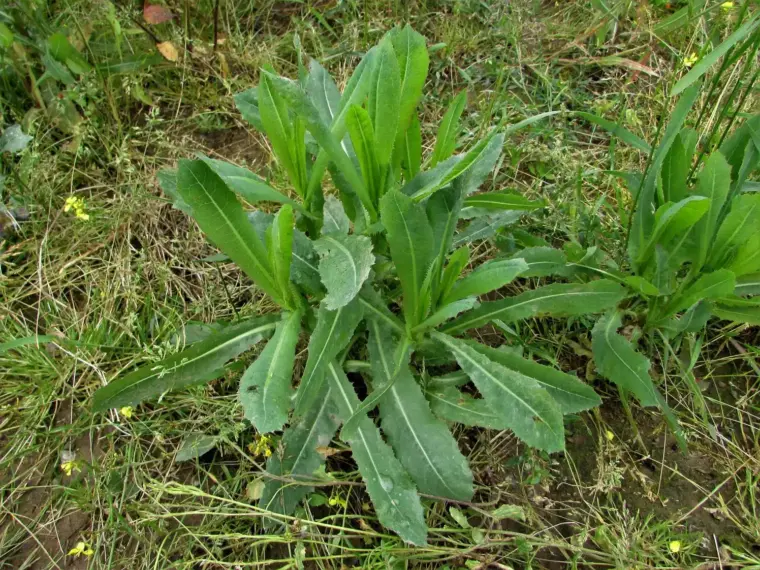
Wild lettuce (Lactuca virosa) is a tall, leafy biennial plant native to parts of Europe and North America. It belongs to the same genus as common garden lettuce (Lactuca sativa) but has very different properties.
The plant can grow up to 7 feet tall, with serrated green leaves and small yellow flowers. What makes wild lettuce special is its milky white sap, known as lactucarium, which oozes from the stem or leaves when cut.
This sap is the source of the plant’s potent pain-relieving properties.
How Wild Lettuce Works as a Natural Painkiller
The sap of wild lettuce contains compounds called lactucin and lactucopicrin, both of which exhibit analgesic (pain-relieving) and sedative effects.
Studies show that these compounds work by affecting the central nervous system, much like opium does – yet without the risk of addiction or respiratory suppression.
Benefits of Wild Lettuce:
- Relieves moderate pain
- Reduces inflammation
- Helps ease muscle and joint discomfort
- Promotes restful sleep
- Soothes anxiety and restlessness
Wild lettuce does not produce a high or euphoric effect, but its calming influence makes it a popular remedy for conditions like arthritis, headaches, menstrual cramps, muscle spasms, and insomnia.
A Brief History of Wild Lettuce Use
Wild lettuce has been used medicinally for centuries:
- Ancient Egypt: Used as a sleep aid and aphrodisiac
- Greek and Roman medicine: Documented by Hippocrates as a powerful sedative
- 19th-century Europe and America: Known as “lettuce opium” and used as an over-the-counter remedy for pain, coughing, and anxiety
It was even listed in the U.S. Pharmacopoeia in the 1800s as a legitimate treatment for pain and sleeplessness.
How to Identify Wild Lettuce in Your Backyard
Wild lettuce grows naturally in fields, roadsides, and even urban lots. To identify it:
- Height: Grows 3–7 feet tall
- Leaves: Long, oblong, and serrated with a bluish-green hue
- Sap: Emits a white, milky substance when the stem is cut
- Flowers: Small and yellow, forming in clusters
- Stem: Hollow and green to purplish
Wild lettuce is often confused with prickly lettuce (Lactuca serriola), a close relative. Both have medicinal qualities, but Lactuca virosa has stronger effects.
How to Harvest and Prepare Wild Lettuce
The best time to harvest wild lettuce is late spring to early summer, just before it flowers, when the sap concentration is at its highest.
Harvesting Tips:
- Use gloves to avoid sticky sap on hands
- Cut the stem or larger leaves and collect the milky sap into a glass jar
- Dry leaves can be used for tea, while sap is concentrated for tinctures or extracts
Preparation Methods:
1. Wild Lettuce Tea
- Dry the leaves and flowers
- Steep 1–2 teaspoons in hot water for 10–15 minutes
- Drink up to twice daily for pain or anxiety relief
2. Alcohol Tincture
- Combine fresh sap with high-proof alcohol (vodka or brandy)
- Store in a dark glass bottle for 2–4 weeks
- Shake daily, then strain and label
- Take 10–20 drops in water as needed
3. Homemade Extract
- Simmer chopped wild lettuce in water until it reduces to a thick, dark syrup
- Cool and store in a sealed jar
- Use ½ to 1 teaspoon for pain relief
Use caution with dosing, especially the extract, which is more concentrated.
Other Backyard Herbs with Natural Pain-Relieving Effects
Besides wild lettuce, several common plants offer impressive pain-relieving properties. Here are a few that might already be growing in your garden:
1. Willow Bark (Salix spp.)
Contains salicin, the natural compound that inspired aspirin. Excellent for back pain, joint inflammation, and headaches.
2. Turmeric (Curcuma longa)
While not a backyard weed, turmeric can be grown in pots. Contains curcumin, a powerful anti-inflammatory used to manage chronic pain.
3. Chamomile (Matricaria chamomilla)
Known for its calming effects and mild pain relief. Ideal for menstrual cramps and muscle tension.
4. California Poppy (Eschscholzia californica)
Milder than wild lettuce, this flower offers analgesic and anti-anxiety effects without addiction risk.
5. Peppermint (Mentha piperita)
Useful in tea or oil form for headaches, digestive pain, and muscle aches.
6. Feverfew (Tanacetum parthenium)
Best known for preventing migraines and reducing inflammation.
These herbs can be used in rotation or combined with wild lettuce for customized natural pain relief.
Is Wild Lettuce Safe?
Wild lettuce is generally safe in moderation, but high doses can cause side effects such as:
- Dizziness
- Nausea
- Dry mouth
- Drowsiness
It is not recommended for:
- Pregnant or breastfeeding women
- Children under 12
- People with allergies to ragweed or similar plants
As with any herbal remedy, consult with a healthcare professional before using it, especially if you are on medication or managing a chronic condition.
Where to Find Wild Lettuce Seeds or Extracts
If wild lettuce isn’t growing naturally in your area, you can:
- Purchase wild lettuce seeds from heirloom seed suppliers
- Grow it in pots or raised beds
- Buy pre-made tinctures or extracts online from trusted herbal brands
Look for organic, sustainably harvested sources to ensure purity and potency.
Wild lettuce is one of nature’s most powerful herbal remedies for natural pain relief.
With its sedative, antispasmodic, and analgesic effects, it stands out as a safe, effective alternative to over-the-counter medications.
It may not be as fast-acting as pharmaceutical painkillers, but for many people, its calming and soothing effects offer profound and sustainable relief.